How to Access the Breakout Garage Demo: Complete Beginner Guide
Learn how to access the Breakout Garage demo and master the mechanics of this in-depth racing simulator. Get expert tuning tips and start your build today.
Published:
Table of Contents
Racing simulators often promise realism, but few capture the gritty, hands-on satisfaction of the workshop quite like Breakout Garage. If you are looking for the latest information on how to access the breakout garage demo and jump into the world of high-stakes drag racing, you have come to the right place. Understanding the early access landscape is crucial for players who want to get behind the wheel of these customizable American muscle machines.
Whether you are a veteran of the drag strip or a newcomer eager to learn the ropes of engine thermodynamics, this guide provides the essential steps to get started. While many players search for a breakout garage demo to test the waters, the developers currently focus on an active Early Access model on Steam, offering a robust foundation for those ready to commit to the build-and-race lifestyle.
Why the Breakout Garage Experience is Unique
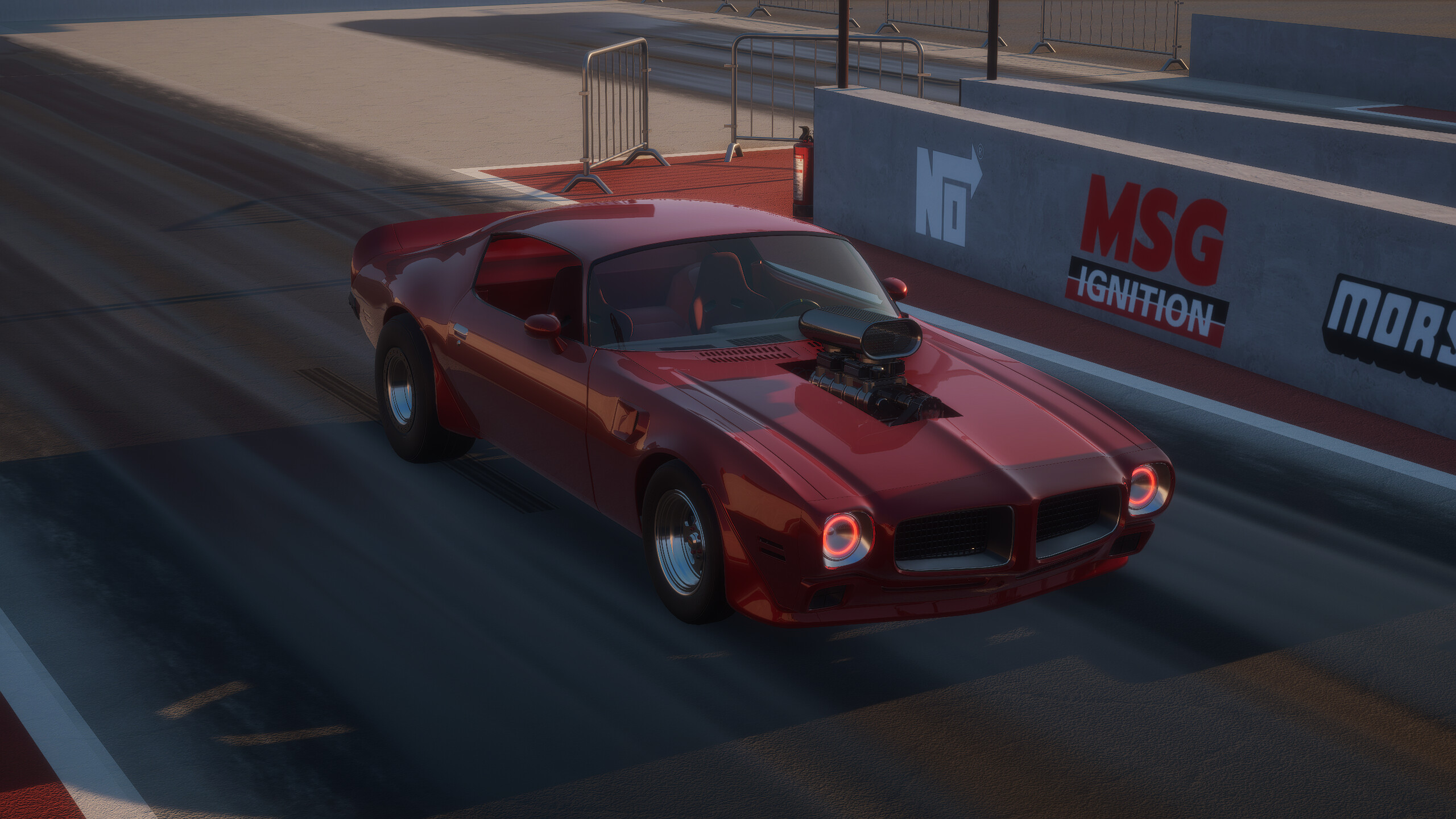
Breakout Garage stands out by bridging the gap between casual arcade racing and hardcore mechanical simulation. Unlike titles that simplify car building, this game requires you to consider everything from compression ratios to air-to-fuel mixtures. The core appeal lies in the "garage life"—the process of buying a used vehicle, tearing down the engine, and meticulously optimizing it for specific track conditions.
According to developer insights, the game is built for players who appreciate the "why" behind the performance. When you swap a camshaft or adjust your supercharger pulley, you aren't just changing a stat; you are interacting with a simulated airflow and thermodynamics system that dictates how your car behaves on the drag strip.
Current Game State Comparison
Feature
Status
Impact on Gameplay
Engine Types
3 Unique Varieties
Allows for specific power-to-weight tuning
Vehicle Selection
5 Starting Cars
Provides variety in chassis potential
Physics System
Fully Functional
Affects weight, aero, and center of mass
Customization
Depth-Focused
Carburetors, ignition, and gearing matter
Understanding Access and Early Development
Many players often inquire about a breakout garage demo to see if their hardware can handle the simulation. As of the latest updates, the developers have prioritized Early Access on Steam, allowing the community to grow alongside the game. Since the developers are a small two-person team, they emphasize feedback loops via their Discord server and Steam community hub.
If you are concerned about your PC specs, check the table below to ensure you have a smooth experience before diving into your first build.
Minimum vs. Recommended Hardware
Component
Minimum Requirements
Recommended Requirements
OS
Windows 10 (64-bit)
Windows 10 (64-bit)
RAM
8 GB
12 GB
GPU
GTX 1050ti / RX 560
RTX 3060 / RX 6600 XT
Storage
8 GB
8 GB
Essential Tuning Strategies for Drag Racing
Once you have secured your access, the real challenge begins in the workshop. Drag racing in this environment is less about "gas and go" and more about the precision of your launch. Community reports frequently highlight that the most common mistake is over-modifying the engine before balancing the chassis.
Start with Weight Reduction
Before you dump thousands of dollars into a big-block engine, strip the unnecessary interior parts and upgrade your tires. Reducing weight often yields more consistent 1/4 mile times than forced induction alone.
The Art of the Perfect Launch
When you head to the drag strip, your setup will define your success. Many players struggle with wheel spin, but this can be managed through a combination of tire pressure adjustments and gear ratio optimization. According to experienced players, swapping to drag radials is a game-changer once your engine starts producing serious torque.
Step-by-Step Tuning Workflow
Chassis Inspection: Check for worn suspension parts that might cause "pulling" during the launch.
Differential Setup: Use a locking or limited-slip differential to ensure both rear wheels are putting power to the ground evenly.
Tire Selection: Move from street tires to drag radials to maximize your launch traction.
Fuel and Air: Fine-tune your carburetors or supercharger boost to prevent surging during acceleration.
Advanced Engine Building: Pushing the Limits
Once you have mastered the basics, you will likely want to dive into engine swaps and forced induction. Building a billet block with a supercharger setup is the pinnacle of the current game content. However, this level of complexity demands an understanding of your air-to-fuel ratio (AFR).
If your engine is surging, it is often a sign of too much air or improper timing. Advanced tuners suggest monitoring your engine’s temperature and response curves while making small adjustments to the mechanical timing. As seen in community gameplay, setting your timing to around 30-35 degrees can often stabilize power delivery without risking engine knock.
Tuning Data: Typical Performance Gains
Modification
Primary Benefit
Risk Factor
E85 Fuel
Higher Torque
Requires significant re-tuning
High RPM Cam
Better Top-End Power
Can cause low-end instability
Supercharger
Massive Power Boost
High heat and potential for surging
4.10 Gear Ratio
Quicker Acceleration
Lower top speed
Troubleshooting Common Issues
Even with the best parts, you might encounter technical bugs or physics quirks. This is common in Early Access titles. If you experience audio glitches or input lag, the developers suggest checking if your frame rate is causing timing issues with the game's physics engine. Keeping your graphics settings optimized can prevent these logic-based delays.
[!WARNING]
Avoid Excessive Modification
If you apply every top-tier upgrade at once, you will find it nearly impossible to tune the vehicle correctly. Always install parts one by one and test them on the track to see how each change affects your time.
FAQ: Frequently Asked Questions
Q: Is there a free breakout garage demo available right now?
A: Currently, the developers are focusing on the full Early Access release on Steam rather than a standalone demo. You can track the game's progress and participate in the community through the official Steam page or their Discord.
Q: Can I use a controller or wheel for this simulator?
A: Yes, the game supports wheel and shifter setups, which are highly recommended for the best experience. Using a wheel allows for much more precise control during launches and street driving.
Q: Why does my car keep pulling to the side during races?
A: This is usually a sign of an open differential or worn suspension components. Check your alignment and consider upgrading to a locking differential to keep your car straight off the line.
Q: How often does the game receive updates?
A: The developers provide regular updates. You can see the latest progress by checking the "Updates" tab on the Steam storefront, where they detail new parts, bug fixes, and mechanical improvements.