Breakout Garage Game: Ultimate Guide to Building Winning Cars
Master the Breakout Garage game with our expert guide. Learn how to tune engines, dominate drag strips, and flip cars for maximum profit in Texas.
Published:
Video Guide
Breakout Garage - Gameplay TrailerTable of Contents
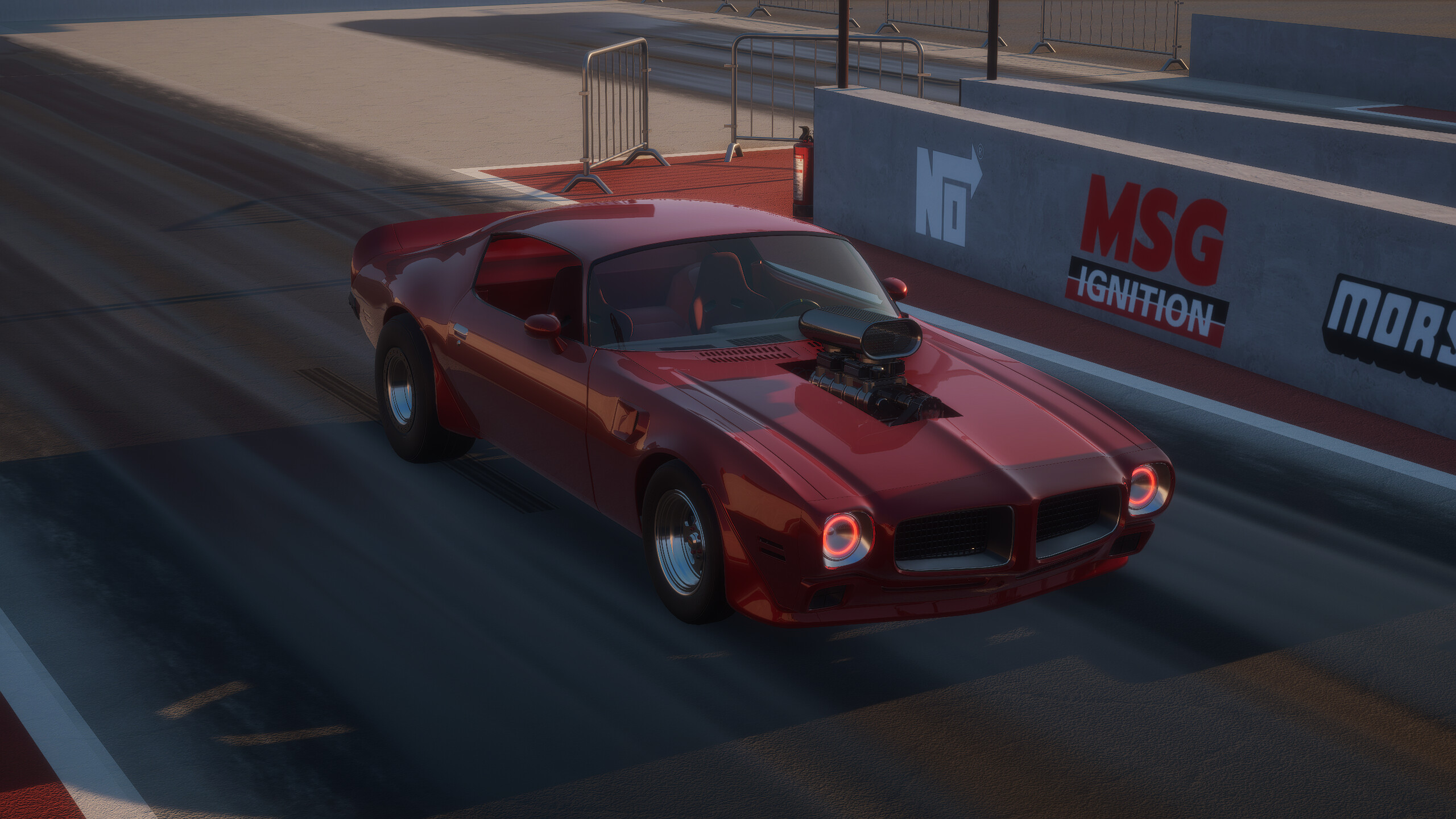
The open-world racing scene in the Breakout Garage game has redefined what it means to be a virtual gearhead. Whether you are stripping a rusted chassis for weight reduction or fine-tuning the ignition timing for a drag strip victory, the level of mechanical depth is staggering. For players entering this Texas-inspired automotive playground, understanding how the internal components interact is the difference between a podium finish and an empty wallet.
Why is this level of detail so critical? Unlike arcade racers where upgrades are just simple stat boosts, this title forces you to grapple with real-world physics, thermodynamics, and airflow. Mastering the Breakout Garage game systems means you aren't just playing; you are engineering your path to success. This guide covers everything from your first engine rebuild to becoming a master of the used car market.
Mastering the Garage: The Path to Performance
To succeed, you must first treat your garage as a workshop rather than just a parking space. When you start, your budget is limited, and your vehicle is likely a mess of worn-out parts. Before you rush to the drag strip, you need to perform a comprehensive inspection.
Look for audible cues—lifter ticks and rod knocks are clear indicators of failing components. When rebuilding, you don't always need the most expensive parts; you need the right parts for your current objective. Prioritize your spending based on the following hierarchy of mechanical necessity.
Essential Component Upgrade Priority
Part Category
Priority
Why It Matters
Crankshaft/Rods
High
Prevents engine failure under high boost.
Transmission
High
Essential for consistent manual shifting.
Ignition System
Medium
Allows for precise timing and better throttle response.
Weight Reduction
Medium
Critical for drag strip acceleration and handling.
Cosmetic Parts
Low
Fun, but doesn't affect your race times.
Don't Overspend on Bodywork
New players often waste thousands of dollars fixing body rust. In the early game, spend that money on internals to ensure your car can actually win races and generate income.
The Art of Engine Tuning in Breakout Garage
If you want to dominate, you must move beyond stock performance. The in-depth tuning menu allows you to tweak air-to-fuel ratios (AFR) and ignition timing. Community feedback suggests that finding the "sweet spot" requires trial and error, as these settings vary depending on your compression ratio and fuel type.
When you transition to forced induction (superchargers or turbos), your tuning requirements shift significantly. A common mistake is failing to adjust your fuel delivery to compensate for increased airflow, leading to "surging" and inefficient power delivery.
Tuning Quick-Reference Table
Tuning Parameter
Low Setting Effect
High Setting Effect
Air/Fuel Ratio (AFR)
Rich (Slower, safe)
Lean (Faster, risk of blowup)
Ignition Advance
Lower (Safe, less power)
Higher (More power, risks knock)
Supercharger Boost
Less torque/air
More torque, requires fuel mods
Dominate the Strip: Drag Racing Strategies
Winning on the drag strip in the Breakout Garage game is about more than just having the biggest engine. Your reaction time, launch technique, and gear ratios dictate the outcome. Most professional players recommend using a locked differential for drag racing to ensure power reaches both wheels equally, minimizing wasted rotation.
According to various community reports, the transition to drag-specific tires is a game-changer. Even if your engine is stock, upgrading your tires to slicks or semi-slicks will drastically reduce your ET (elapsed time) by minimizing wheel spin during the launch.
Tips for a Perfect Launch
Staging: Ensure you aren't "deep staging" unless you want to shave a tiny bit of time at the risk of a red light.
Clutch Control: If using a manual transmission, finding the balance between revs and clutch release is vital.
Burnouts: While visually impressive, ensure you aren't overheating your tires unnecessarily if the track prep is already good.
Shift Points: Watch your tachometer—shifting right before the power band tails off is essential for sustaining speed.
Making Money: Flipping and Deliveries
The economy in the game is realistic, meaning you need a constant cash flow to fund your high-horsepower builds. While racing pays well, it can be inconsistent. The used car market is your best friend. Look for cars at the dealer that have hidden potential or parts that are in good condition despite the exterior rust.
Income Source Comparison
Strategy
Risk Level
Potential Payout
Effort Required
Delivery Jobs
Low
Moderate
High (Time-consuming)
Oval Time Trials
Medium
High
Low
Drag Strip Betting
High
Very High
Very Low
Car Flipping
Low
Massive
High (Parts/Labor)
Always keep an eye on the official Steam page for game updates, as the developers frequently change how part wear and economy work. Following the community discussions on the official game website is also a great way to catch new tuning tricks shared by other players.
Handling the Texas Open Roads
The open-world aspect of the Breakout Garage game provides a necessary break from the intensity of the track. Use these roads to test your suspension setups. If your car understeers heavily in tight corners, consider adjusting your weight balance or upgrading your sway bars.
Remember, the game simulates real-world mechanics. If you add heavy performance parts to the front of a vehicle, you change its center of mass. You might find that your previous "perfect" driving style no longer works. Adapting your steering and braking inputs to the weight of your new build is a hallmark of a skilled player.
Mechanical Wear is Real
Parts do not last forever. If you start hearing new noises after a long session of drag racing, pull over to the side of the road and inspect your engine components. Ignoring these sounds can lead to a catastrophic engine failure mid-race.
FAQ: Frequently Asked Questions
Q: How can I improve my 1/4 mile time in the Breakout Garage game?
A: Focus on your launch and tire grip first. Upgrading to drag radials and locking your differential will often shave more time off your run than minor engine internal tweaks will.
Q: Is it worth swapping the engine early in the game?
A: Generally, no. Engine swaps are expensive. It is better to tune and repair the stock engine block until you have enough capital to invest in a billet block and a proper supercharger setup.
Q: How do I stop my engine from surging?
A: Surging is usually a sign of poor airflow management or incorrect AFR settings. Check your fuel pressure and ensure your carburetor/fuel injection system is tuned to match the amount of air your supercharger is forcing into the intake.
Q: Where can I find help with specific engine builds?
A: The best place to learn is the in-game wiki, but for advanced tuning, check the community Discord or YouTube channels where experienced players share their current builds and AFR tables.