How to Build a Breakout Garage ChatGPT Sleeper: Pro Guide
Learn to create the ultimate Breakout Garage ChatGPT sleeper build. Discover expert tuning tips, engine swaps, and performance secrets to dominate the tracks.
Published:
Video Guide
START OF CHATGPT SLEEPER BUILD IN BREAKOUT GARAGETable of Contents
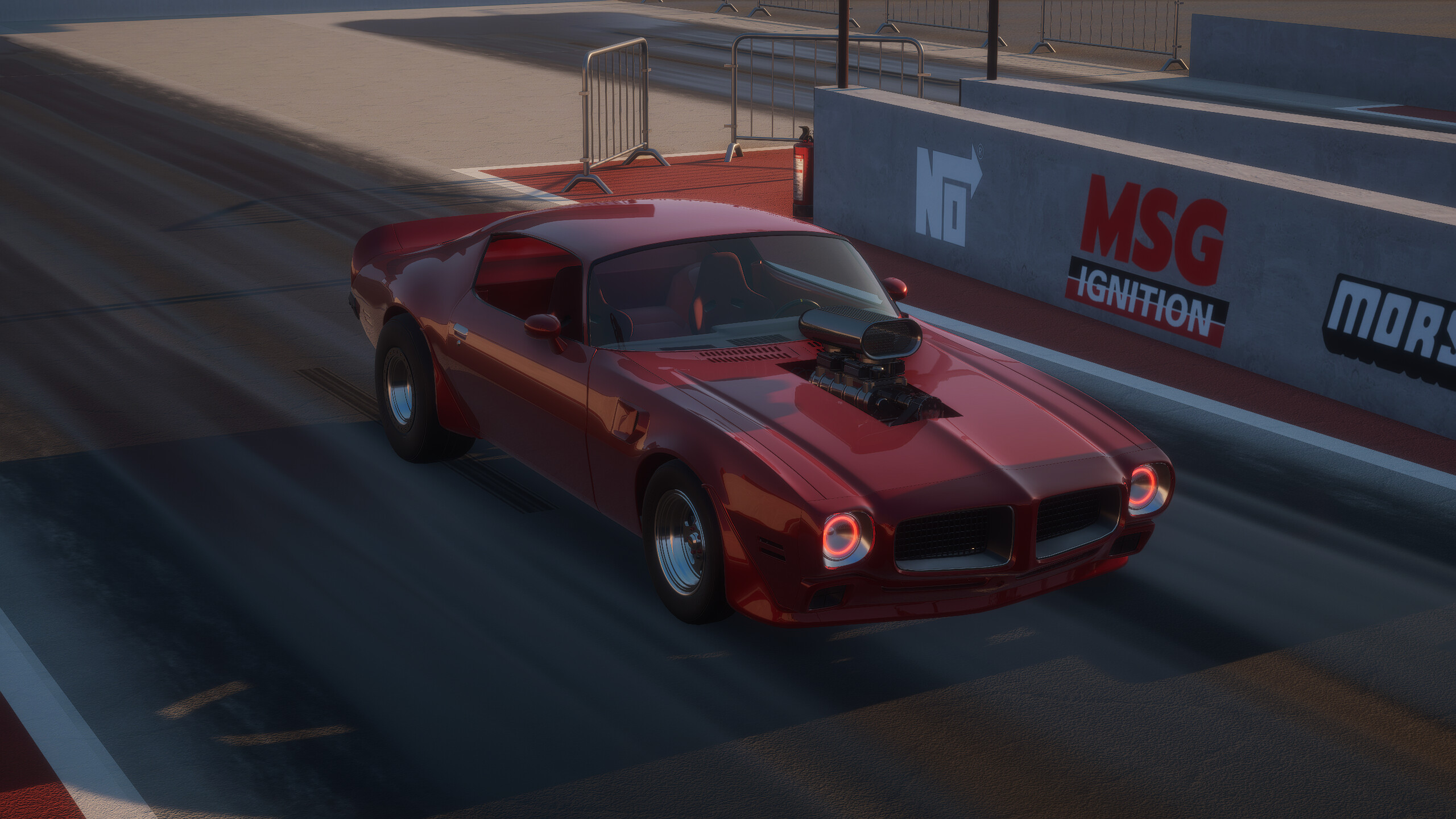
Creating a high-performance vehicle that looks unassuming but dominates the drag strip is the hallmark of a true gearhead. In the world of Breakout Garage, the Breakout Garage ChatGPT sleeper build has become a viral sensation, challenging players to blend AI-driven optimization with old-school mechanical intuition. Whether you are aiming to shock opponents at the local drag strip or crush circuit lap times, understanding how to leverage AI suggestions for your build is the key to success.
Why does this matter? Because in Breakout Garage, every bolt, gear ratio, and weight reduction choice matters. A perfectly tuned sleeper doesn’t just win races; it offers the most satisfying progression experience in this deep, open-world simulation. Let’s dive into how you can turn a humble scrap-yard find into an absolute monster.
Understanding the Sleeper Philosophy
A "sleeper" is a car that hides its true potential behind a modest exterior. In this game, developed by Breakout Studio, the mechanics are granular enough that you can actually feel the impact of your modifications. Building a Breakout Garage ChatGPT sleeper build requires you to balance raw power with the game’s realistic physics.
The primary goal is to maintain a stock-looking aesthetic while stuffing the engine bay with high-performance internals. According to community experience, the most successful sleepers focus on power-to-weight ratios rather than just slapping the biggest turbo on a stock block.
Key Performance Pillars
Component
Sleeper Strategy
Why It Matters
Weight Reduction
Strip the interior
Improves acceleration and braking
Engine Internals
Camshaft & Cylinder Heads
Increases high-RPM power delivery
Drivetrain
LSD & Gearing
Translates power to the pavement
Tuning
AFR & Timing
Prevents engine knock and misfires
Step-by-Step: The ChatGPT-Inspired Build Process
When you start your Breakout Garage ChatGPT sleeper build, you need a systematic approach. Many players report that consulting AI for part combinations helps identify "hidden" synergies between components that aren't immediately obvious.
1. The Foundation: Selecting the Right Vehicle
Not every car is suited for a sleeper. You want a chassis that is lightweight and has enough engine bay clearance for a V8 swap. Community reports suggest starting with a truck or an older coupe that allows for significant weight reduction.
2. Mechanical Optimization
Once you have your chassis, focus on the engine. If you are following a Breakout Garage ChatGPT sleeper build guide, you will likely be advised to prioritize:
Camshaft Selection: Mid-range cams offer the best balance for street driving and drag strip launches.
Cylinder Heads: Upgrading to performance heads (like the 462-style options) significantly improves airflow.
Intake Systems: Ensure your carburetor setup matches your engine's displacement to avoid the dreaded "engine knock."
Avoid the Misfire Trap
If you encounter engine knock after installing a supercharger or new intake, check your air-fuel ratio (AFR) and ignition timing immediately. Most of these issues stem from incorrect fuel mapping rather than broken parts.
Tuning for the Strip: Getting the Power Down
Even the most powerful Breakout Garage ChatGPT sleeper build is useless if it cannot gain traction. Tuning is where the game turns from a simple mechanic simulator into a deep racing experience.
Essential Tuning Parameters
To maximize your pass times, you must adjust the following:
Tuning Variable
Recommended Adjustment
Effect
Final Drive
3.55 - 3.71
Better launch, higher top speed
Trans Shift Points
135-145 mph (or RPM-based)
Keeps the engine in the power band
Tire Pressure
Lower for Drag
Increases contact patch for grip
Suspension
Stiffen rear, soften front
Improves weight transfer to rear tires
Troubleshooting Common Build Issues
Players often hit a "performance wall" where no matter what parts they install, the horsepower or quarter-mile times don't improve. This is usually due to mechanical bottlenecks.
Common Pitfalls
The "No-Start" Glitch: After updates, some players struggle to start their engines. Ensure your key binds are correctly mapped and that you haven't missed a critical component like an oil filter or air filter.
The Stalling Automatic: If your automatic transmission is stalling, you are likely dumping too much fuel or lacking the correct stall speed in your torque converter.
Tire Burnout: Over-powering a stock chassis will simply result in shredded tires. You need an LSD (Limited Slip Differential) to ensure both rear wheels are putting power to the ground simultaneously.
Community-Driven Performance Data
The community has been busy testing various engine configurations. Here is a brief look at how different setups perform under load:
Engine Type
Max Potential (Est.)
Best Application
Stock Small Block
350-400 HP
Entry-level street racing
Built V8 (N/A)
600+ HP
Circuit & Oval tracking
Forced Induction V8
1000+ HP
Professional Drag Racing
Always remember that in Breakout Garage, you are the lead engineer. If the game feels too difficult, check the official Discord or the in-game Wiki for the latest hotfixes, as the developers are highly active and frequently adjust part specs.
FAQ: Mastering Your Build
Q: Is the Breakout Garage ChatGPT sleeper build faster than a stock supercar?
A: Yes. Because you can optimize the weight-to-power ratio and fine-tune the suspension, a custom-built sleeper will often outperform stock vehicles that lack deep tuning options.
Q: What is the most important part for a sleeper?
A: The differential. Installing a 3.71 LSD is usually the single biggest upgrade you can make to stop spinning your tires and start winning races.
Q: Why does my car keep stalling at the drag strip?
A: This is usually a sign of an incorrect air-fuel ratio or a mismatch between your transmission gear ratios and your engine's power curve. Try leaning out your fuel mixture and adjusting your shift points.
Q: Can I really use AI to help with my build?
A: Absolutely. Using ChatGPT to analyze your current part list and engine displacement can help you spot missing components, like an air filter or the correct header, that are required for the engine to run properly.