Learn essential Breakout Garage engine upgrades to boost horsepower and win races. Discover expert tuning tips for better performance and speed.
Published:
Video Guide
Engine Upgrades Transformed This Rusty Truck | Breakout GarageTable of Contents
Struggling to get your car across the finish line ahead of the competition? Mastering breakout garage engine upgrades is the single most effective way to transform a rusty, slow vehicle into a dominant force on both the drag strip and the oval track.
Understanding how to optimize your engine is not just about making your car go faster; it is about grasping the delicate balance between thermodynamics, airflow, and mechanical efficiency. In this comprehensive guide, we will break down exactly how you can turn your garage projects into high-performance machines.
Why Engine Upgrades Are Critical for Success
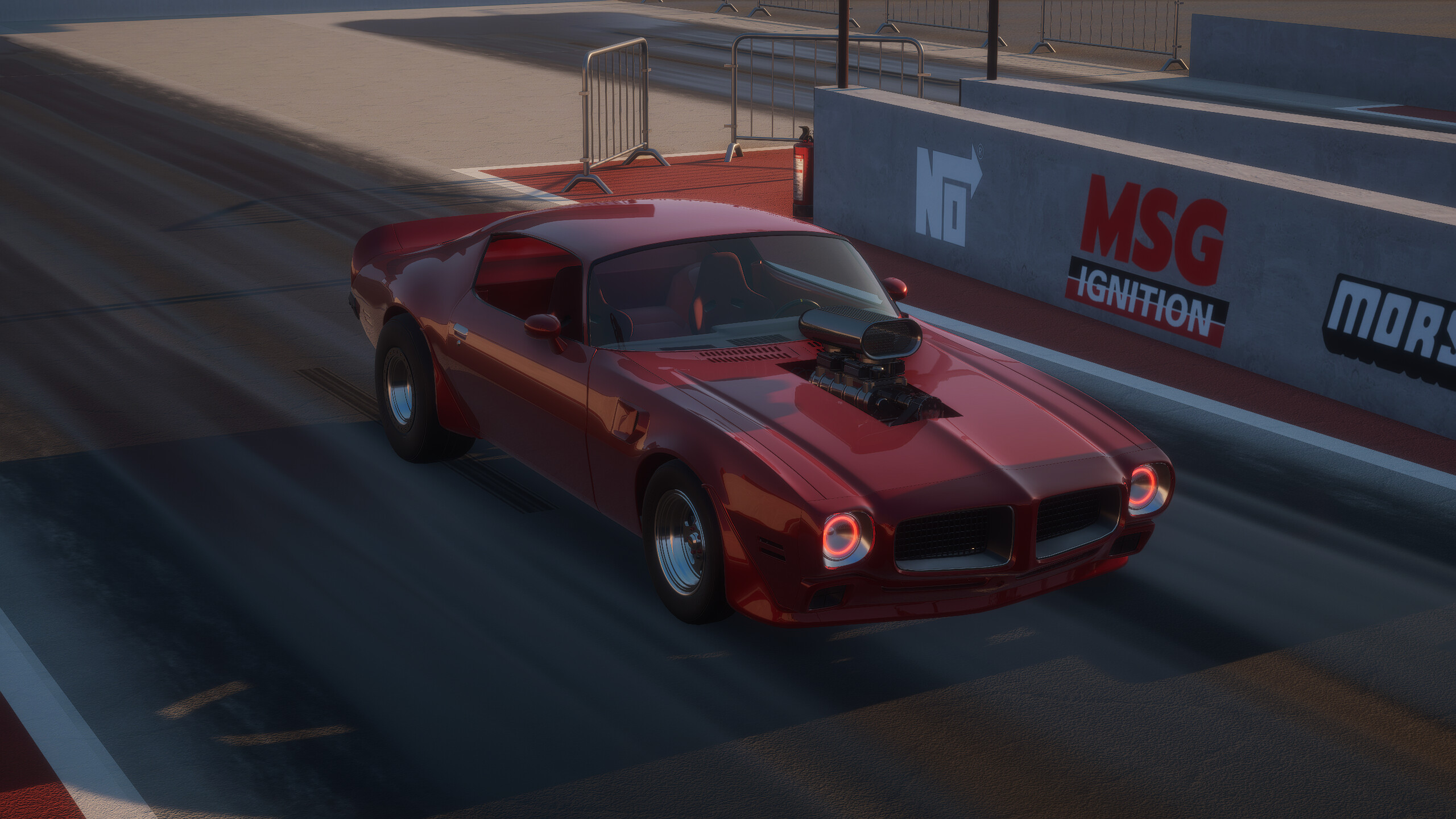
In Breakout Garage, your car is only as good as the sum of its parts. If you are ignoring your engine bay, you are leaving massive amounts of performance on the table. Whether you are dealing with an Inline-6, a Small Block V8, or a big-block engine, specific upgrades will yield immediate, measurable results.
According to developer insights and community reports, factors like engine compression, displacement, and inertia are simulated in real-time. This means that a haphazard approach to tuning will likely result in a knock or, worse, a complete engine failure during a critical race. By focusing on smart breakout garage engine upgrades, you ensure your vehicle has the power to back up your driving skills.
Key Performance Components to Upgrade
When you have saved up enough cash from delivery jobs or time trials, you need to know where to invest it first. Not all parts provide the same return on investment.
Component
Performance Impact
Recommended Upgrade Path
Cylinder Heads
High
Upgrade to performance-grade aftermarket heads for better flow.
Camshaft
Medium-High
Swap for a performance cam to adjust your powerband.
Intake/Airbox
Medium
Switch to a high-rise manifold or performance airbox for better induction.
Exhaust
Medium
Install high-flow headers and pipes to reduce backpressure.
Internals (Pistons/Rods)
High
Use forged components to support higher boost and RPM levels.
The Art of Engine Tuning: Air-Fuel Ratio and Timing
Once you have bolted on your new hardware, the real work begins. Mechanical upgrades are only half the battle; the other half is precise tuning. Using your screwdriver in the first-person mechanic mode, you can adjust several parameters that drastically change how your engine behaves under load.
Players often struggle with the Air-Fuel Ratio (AFR). If your engine is knocking, it is often a sign that your AFR is off or your timing is too aggressive for the fuel grade you are running.
Tuning Tips for Optimal Performance
Adjusting AFR: Start by making small changes. If you are running at full throttle, monitor your engine specs on the dyno screen to see if your adjustments are improving power or causing issues.
Fuel Octane: Always match your tuning to your fuel type. Higher octane fuel allows for more aggressive timing, which is necessary if you have added forced induction like a turbocharger.
Transmission Shifts: Do not ignore your shift points. Setting your RPM shift points too low will keep you out of the powerband, while setting them too high can cause unnecessary engine wear.
Use a Controller for Precision
While mouse and keyboard are functional, many players report that using a controller provides significantly better input for throttle control and steering, which is essential for managing a high-horsepower build without spinning out.
Managing Weight and Aerodynamics
While focusing on breakout garage engine upgrades, do not neglect the chassis. Even the strongest engine will struggle if the car is too heavy or has poor aerodynamics. As discovered by the community, removing unnecessary parts like seats, consoles, and even certain body panels can improve your power-to-weight ratio, but be careful—removing too much can ruin your car's aerodynamics.
The Aerodynamic Trade-off
Action
Potential Benefit
Potential Risk
Removing Hood/Doors
Significant weight reduction
Increased drag at high speeds
Adding Front Splitter
Better front-end downforce
Increased frontal drag
Removing Tailgate
Weight reduction
Disrupts airflow, potentially slowing top speed
Installing Spoiler
Improved rear traction
Minor weight penalty
Next Steps for Your Build: From Delivery Car to Racer
Once you have established a solid engine foundation, you need to decide on your vehicle's ultimate purpose. Are you building a dedicated drag racer, or a versatile car for the oval track?
Community members frequently advise against selling your car too early if you have already invested heavily in the engine. Instead, use your improved vehicle to participate in more lucrative races. You can find detailed technical specifications for every engine type at the official Breakout Garage Wiki, which is an invaluable resource for troubleshooting engine issues like rod knock or lifter tick.
[!SUMMARY]
Key Steps to Follow
Perform delivery jobs to build your initial bankroll.
Upgrade cylinder heads and camshafts for the biggest horsepower gains.
Invest in high-octane fuel and adjust your AFR accordingly.
Experiment with weight reduction while monitoring top speed for aerodynamic balance.
Use the in-game dyno to verify every single tuning change you make.
Frequently Asked Questions
Q: How can I tell if my engine upgrades are actually working?
A: Use the in-game dyno and car specs menu. After every adjustment, run a test to see if your torque and horsepower curves have improved.
Q: Why does my engine knock after I make upgrades?
A: Rod knock is often caused by incompatible parts or improper tuning. Check if your timing or fuel octane is appropriate for the new components you installed.
Q: Should I prioritize engine upgrades or suspension upgrades?
A: It is a balance. If you cannot keep your power on the ground, prioritize suspension and tires (such as drag radials). If you have enough traction, focus on breakout garage engine upgrades to increase your top speed.
Q: Can I really flip cars for profit?
A: Yes, but profit margins are slim if you overspend on aesthetic body parts. Focus on mechanical reliability and essential performance upgrades to maximize your return on investment when selling.
Start your journey to becoming a top-tier mechanic today—head over to the Breakout Garage Steam Store to see the latest updates and join the community. Consistent testing, patience with the tuning process, and a deep dive into the mechanical systems will eventually land you in the winner's circle. Remember, every "mistake" is just a learning opportunity to understand your engine better!