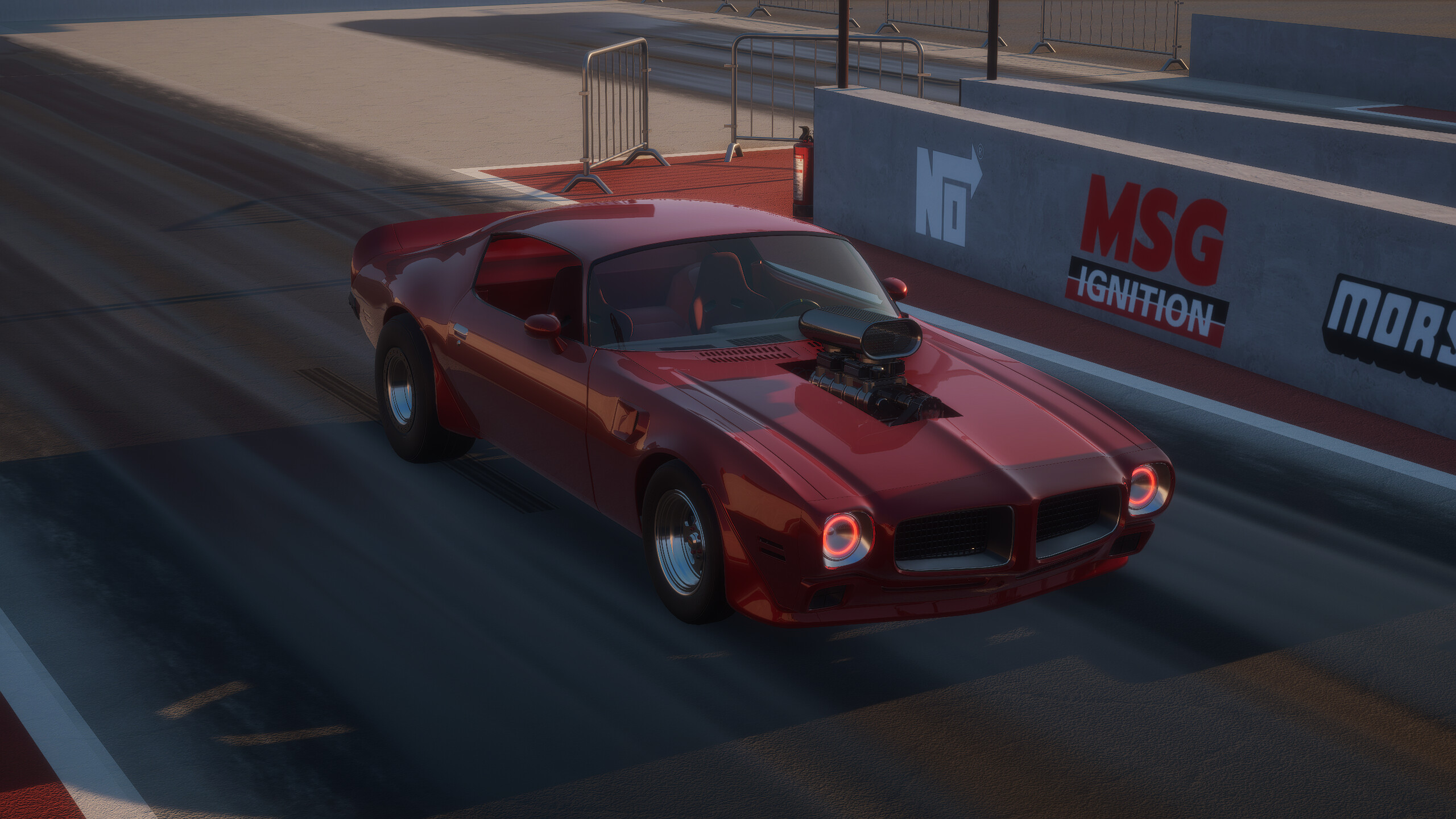
Discover how to master your Breakout Garage Dodge Charger drag build. Get expert tips on tuning, engine swaps, and weight reduction to dominate the strip.
Published:
Table of Contents
When you first dive into the world of Breakout Garage, the dream of building a legendary drag car is what keeps you grinding at the local strip. While the game features a variety of iconic vehicles, players often ask about the most efficient path to creating a high-performance drag machine. Achieving a competitive breakout garage dodge charger drag build requires more than just raw horsepower; it demands a deep understanding of weight distribution, transmission tuning, and mechanical upgrades.
In this guide, we will break down the essential steps to transform a rusty project car into a quarter-mile killer. Whether you are struggling with traction issues or hitting a ceiling in your elapsed times, mastering the mechanics behind your breakout garage dodge charger drag build is the key to climbing the leaderboards.
Understanding the Foundation: Starting Your Build
Every successful project starts in the garage. In Breakout Garage, the state of your vehicle determines your initial success on the drag strip. If you are starting from a "fresh start" playthrough, you might be tempted to jump straight into high-end racing, but preparation is vital.
Before you even touch the engine, you must perform a "crash diet." Stripping unnecessary components like inner fenders, non-essential trim, and heavy interior pieces is the most cost-effective way to improve your power-to-weight ratio.
Initial Weight Reduction Checklist
Component
Action
Benefit
Interior Carpet/Seats
Remove
Significant weight savings
Bumper/Grille
Remove or Replace
Improved mass centralization
Factory Exhaust
Strip
Less backpressure, lower weight
Door Cards
Strip
Reduces curb weight for better launches
As noted in various player experiences, the goal is to make the car as lean as possible without compromising the structural integrity required to keep the car tracking straight. Remember, every pound shed is a fraction of a second shaved off your time.
Engine Swaps and Internal Upgrades
The stock engine in many of these project cars—often an inline-six or a lower-tier V8—is rarely sufficient for competitive drag racing. To elevate your breakout garage dodge charger drag build, you need to look at crate engine swaps. The V8 Small Block Type C is a popular choice for its balance of power and weight, but if your budget allows, a high-performance blueprint engine is the gold standard.
Engine Modification Priority
Pistons & Rods: Always prioritize forged internals. They handle the higher RPMs and forced induction stress better than stock components.
Crankshaft: A balanced forged crank is essential for preventing engine failure during aggressive launches.
Intake/Exhaust: Opening up the airflow is critical once you add more fuel.
According to community reports, upgrading to forged internals before adding a supercharger or turbocharger prevents catastrophic engine failure. Always check your engine health after each race night; a broken connecting rod can ruin your entire progress in a single pass.
Tuning for the Perfect Launch
The most frustrating aspect of a drag build is often the launch. If you suffer from excessive wheel spin or bogging down, your tune is likely to blame. In Breakout Garage, adjusting your gear ratios and tire pressure is just as important as the horsepower under the hood.
Drag Tuning Tips
Gear Ratios: If you are topping out before the finish line, look for a more aggressive rear-end gear ratio, such as a 4.11:1 setup.
Tire Pressure: Lowering your tire pressure on the drag strip increases the contact patch, providing more grip for those initial seconds off the line.
Stall Converter: Investing in a high-stall torque converter allows the engine to reach its power band before the car moves, significantly improving your reaction time and 60-foot splits.
Transmission Care
Avoid slamming your car into drive while the engine is at high RPMs. This creates unnecessary wear and often leads to broken transmissions, which can quickly drain your hard-earned race winnings.
Mastering the Drag Strip: Strategy and Technique
Once your breakout garage dodge charger drag build is mechanically sound, the driver’s technique comes into play. Drag racing is a game of consistency. You need to learn how to manage your staging and your burnout.
Even if you don't have a professional trans-brake, using the foot brake and handbrake in tandem can help you hold the car steady until the green light flashes.
Racing Format Comparison
Race Type
Difficulty
Strategy
Street Drag
Low
Consistent launch, minimal build required
Official Drag
Medium
Requires optimized gear ratios and grip
Road Course
High
Focuses on suspension tuning and braking
If you find yourself losing to the AI, analyze their launch behavior. If they are jumping ahead, your stall speed or your initial torque delivery is likely the bottleneck. For more detailed guides and community discussions on tuning, you can check the official Breakout Garage Steam page.
The Importance of Drivetrain Upgrades
Many players neglect the differential, focusing entirely on engine power. However, a Limited Slip Differential (LSD) is vital for your breakout garage dodge charger drag build. An open differential will result in uneven power delivery, causing the car to pull to one side or struggle for traction on the strip.
When you install a performance differential, ensure your suspension setup supports the added torque. If you notice excessive body roll during your shifts, consider stiffening your springs. This is the difference between a car that wanders across the lane and one that tracks perfectly to the finish line.
FAQ: Common Drag Racing Questions
Q: Why does my car feel slow even with a V8 engine?
A: It’s likely a weight issue or poor gearing. Ensure you have stripped all unnecessary weight and that your rear-end gears are matched to your power band. A high-stall torque converter also makes a world of difference for your breakout garage dodge charger drag build.
Q: How do I make money faster to afford performance parts?
A: Focus on short-distance drag races against opponents you know you can beat consistently. Once your car is reliable, participating in road course endurance races often yields a higher payout per session compared to casual street racing.
Q: Do I need a supercharger to be competitive?
A: While a supercharger provides a massive power boost, it isn't strictly necessary for early-game success. Focus on internal engine components, forged parts, and weight reduction first to establish a reliable foundation before adding forced induction.
Q: Why is my transmission constantly breaking?
A: Transmission failure usually happens when you force the gear selector into drive while revving the engine high. Always aim for a controlled launch and ensure your transmission is serviced or upgraded to handle the higher torque outputs of your V8 engine.