Breakout Garage Big Block Tuning: Unleash Massive Power
Master the Breakout Garage big block build. Discover expert tuning tips, engine swap guides, and performance secrets to dominate the Texas drag strips.
Published:
Video Guide
Breakout Garage - Big Block For The Win!Table of Contents
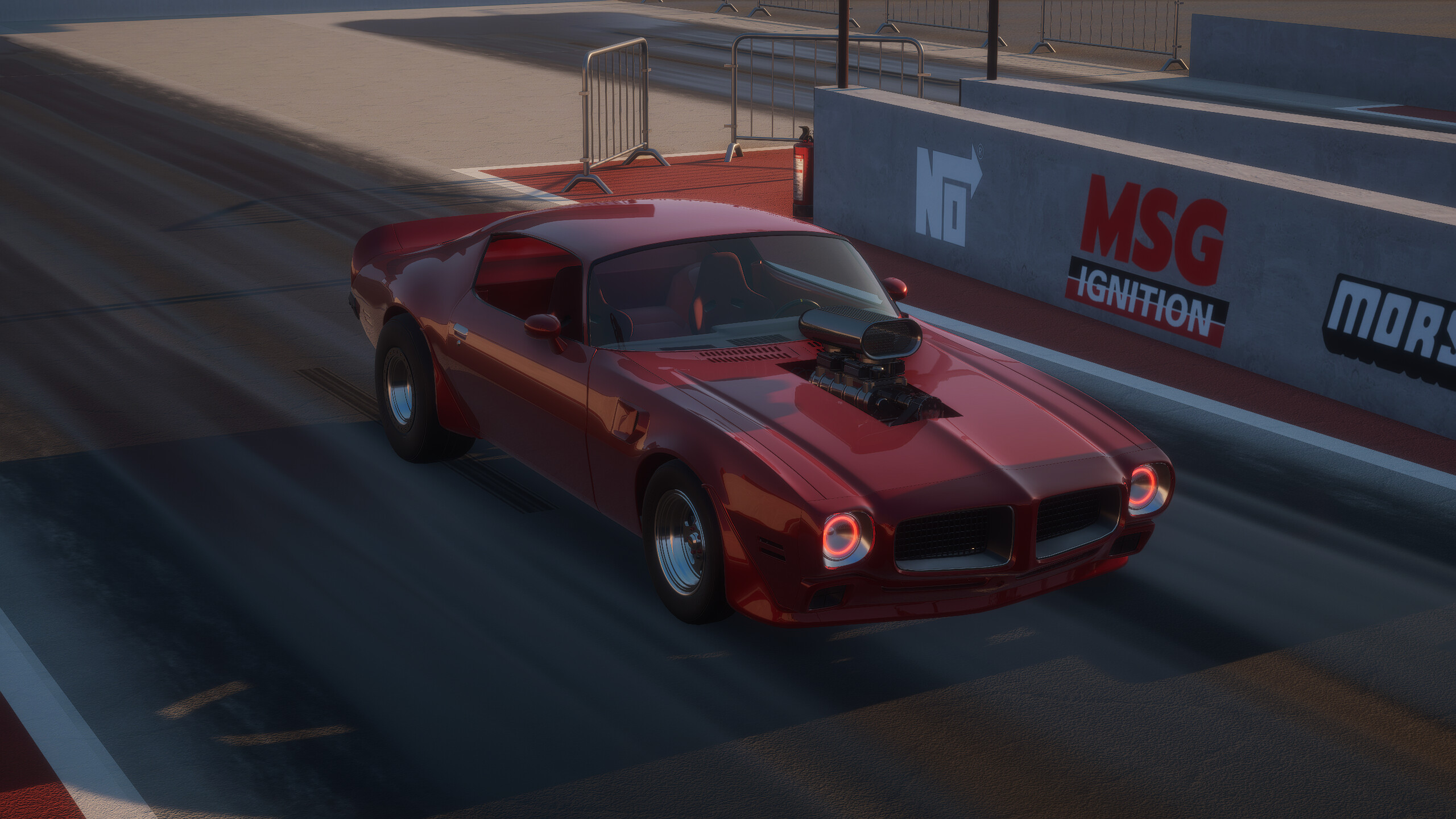
When you step into the world of Breakout Garage, the dream of every gearhead is to build a high-horsepower monster that can tear up the local Texas drag strips. If you are looking to take your game to the next level, understanding the breakout garage big block engine swap is your golden ticket to breaking records and crushing your leaderboard rivals.
Building a big block engine in this simulator is more than just clicking parts; it is an exercise in mechanical balance. Whether you are aiming for that perfect launch or searching for the best high-RPM tune, mastering these components is why this build is essential for any serious player. Let’s dive into how to transform your stock ride into a track-devouring beast.
The Strategy Behind the Big Block Swap
The breakout garage big block swap represents a significant power jump over the standard small block or inline-six configurations. While the initial cost of the engine and the supporting components can reach upwards of 20,000 in-game currency, the sheer displacement and potential for forced induction make it the superior choice for drag racing.
Players often debate whether to stick with a smaller, lighter engine or go all-in on the big block. According to community reports, the weight penalty of the big block (roughly 100 pounds more than smaller engines) is easily offset by the massive torque gains, provided your chassis is tuned to handle the extra force.
Big Block Build Comparison
Feature
Small Block (Stock)
Big Block (Upgraded)
Potential HP
300 - 500 HP
800 - 1200+ HP
Best Application
Track/Time Trials
Drag Racing / 1/4 Mile
Weight Impact
Low
Moderate
Complexity
Moderate
High
Essential Components for Maximum Output
Achieving over 1,000 horsepower requires more than just the engine block. You need to ensure the airflow and fueling systems can keep up with the demands of a high-displacement build. When configuring your breakout garage big block, focus on these critical performance parts:
Forged Internals: Always opt for a 496-stroke forged crankshaft and low-compression pistons. They provide the structural integrity required to survive high boost levels.
Forced Induction: A supercharger (specifically an 871 blower) is the preferred method for big block builds to achieve that iconic look and immense low-end torque.
Exhaust System: Performance headers are non-negotiable. They allow the engine to breathe, preventing backpressure that could otherwise cap your top-end speed.
Cooling Systems: A high-flow radiator and water pump are vital. Without proper cooling, you risk engine failure during long, high-heat racing sessions.
Don't Forget the Details
Players often report missing the crankshaft pulley or the correct timing chain cover during assembly. Before hitting the dyno, double-check that every accessory belt is attached; otherwise, the engine simply won't start.
Tuning for the Perfect Launch
A massive engine is useless if you cannot get the power to the pavement. The most common pitfall for new players is "spinning out" off the line. Because the breakout garage big block produces so much immediate torque, your launch technique and suspension settings are the deciding factors between a 10-second pass and hitting the wall.
Suggested Suspension Tuning Table
Setting
Adjustment
Purpose
Spring Rate
4200+
Prevent chassis squat/rubbing
Ride Height
10+ (Moderate)
Balance center of gravity vs. Aero
Sway Bar
Version 3
Improve lateral stability
Tire Width
315mm
Maximum contact patch for grip
According to community feedback, if you find the car pulling to one side, you are likely overpowering your current tires. Upgrading to the widest available drag radial is the first step toward correcting this. You should also consider "rolling into" the throttle rather than slamming it, as this allows the suspension to settle before the full boost hits.
Managing Heat and Airflow
Engine thermodynamics are modeled in depth within Breakout Garage. Running a high-displacement engine means generating significant heat. If your air-to-fuel (AFR) ratio is too lean, you risk blowing your engine before you even reach the finish line.
Aim for an AFR of approximately 11.5 at full throttle. You can adjust this through the in-game tuning menu. Keep a close eye on your engine statistics; if you see the power curve dropping off prematurely, your timing or AFR settings are likely the culprit.
Troubleshooting Common Issues
Symptom
Probable Cause
Fix
Engine "Surging"
Air-to-Fuel ratio too high
Adjust AFR down to 9.75 - 10
Sagging Chassis
Springs too soft
Increase spring rate
Power Loss at RPM
Redline set too low
Increase RPM limit to 6500-6800
Next Steps for Your Garage Build
Once you have perfected the engine and suspension, focus on shedding excess weight. Removing headlights, trim, and non-essential interior parts can shave a few precious pounds off your curb weight. Every pound saved translates to better acceleration and a cleaner trap speed on the drag strip.
You can follow the official development updates and join the active player base through the Breakout Garage Steam Page. Participating in the Discord community is also a great way to share your specific build configurations and see what other top-tier racers are running.
Frequently Asked Questions (FAQ)
What is the most powerful engine in Breakout Garage?
Currently, the breakout garage big block engine, when paired with an 871 supercharger, provides the highest potential power output, exceeding 1,200 horsepower with correct tuning.
Why does my engine keep blowing up?
Most engine failures occur due to incorrect AFR settings or running the engine at redline for too long with stock internals. Always upgrade to forged pistons and rods before pushing your boost levels to the limit.
Is a big block better than a small block for beginners?
While the small block is cheaper and easier to manage, the big block offers a higher skill ceiling. If you have the budget, the big block is the best path to leaderboard dominance.
How do I fix the "spinning out" issue at launch?
This is almost always a traction issue. Use wider 315mm tires, ensure your suspension is stiff enough to prevent excessive rear-end squat, and try starting in a higher gear if you have too much low-end torque.