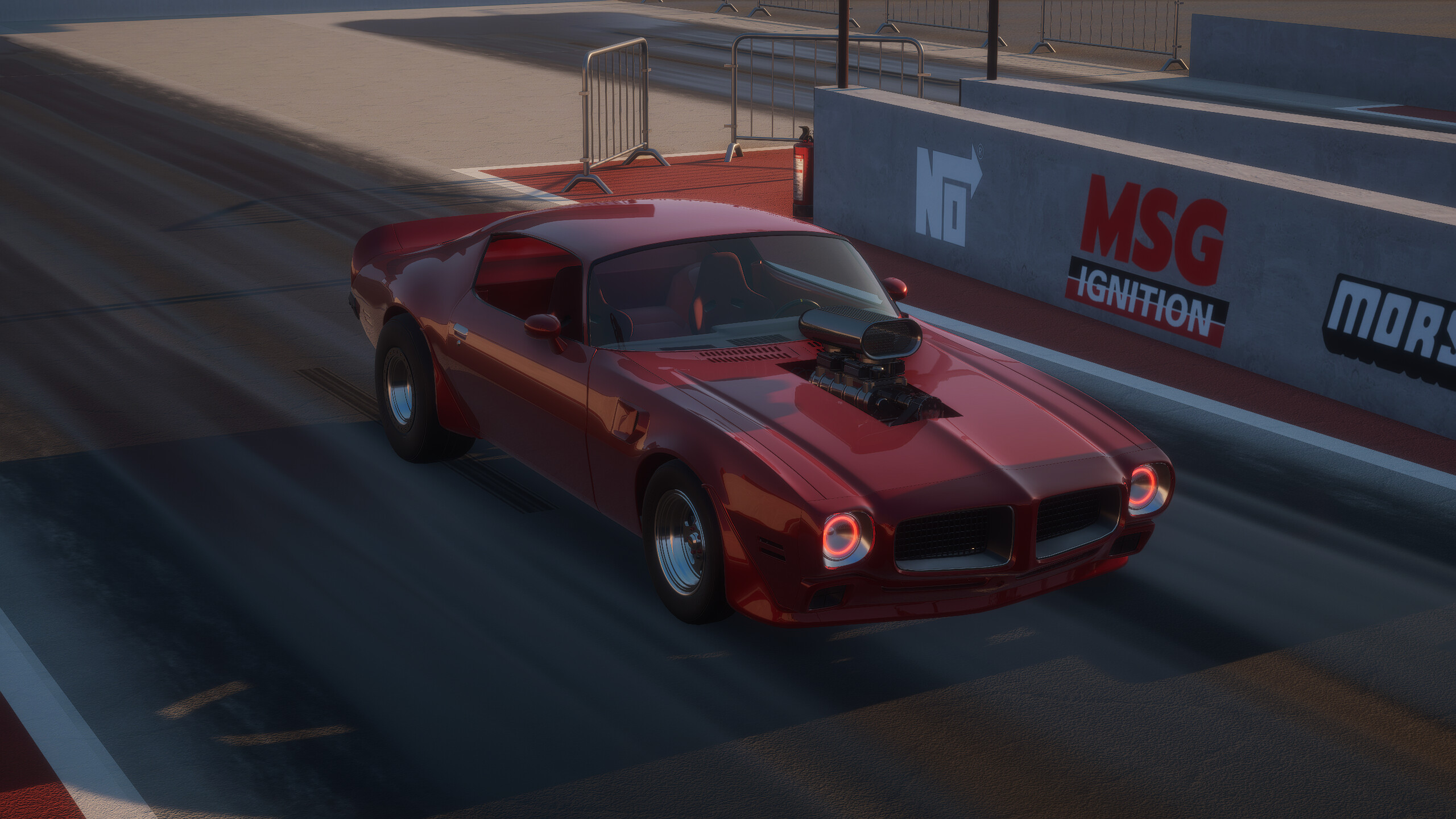
Breakout Garage Patreon Tuning Guide: Dominate the Drag Strip
Master your setup with this expert Breakout Garage Patreon tuning guide. Learn proven drag racing configs, engine builds, and suspension tweaks for victory.
Published:
Video Guide
BREAKOUT GARAGE: My LOW 7-Second Drag Tune! 🏁 1/4 Mile Setup & Tuning GuideTable of Contents
Winning races in Breakout Garage is about more than just raw horsepower; it is about the perfect harmony between your engine, suspension, and drag strip preparation. Whether you are struggling to break into the 7-second club or looking to optimize your small-block Chevy build, this comprehensive Breakout Garage Patreon tuning guide provides the expert insights you need to climb the leaderboard.
By understanding the mechanics behind weight reduction, gear ratios, and suspension stiffness, you can transform a stock vehicle into a track-dominating machine. Let’s dive into the technical details that separate the casual cruisers from the elite racers in this immersive simulation.
The Foundation of a 7-Second Drag Tune
To achieve consistent low times, you must first master the art of vehicle weight management. Based on community experience, a stripped-down chassis is mandatory for peak performance. You should remove non-essential items like rear bumpers, dashboard components, interior trim, door handles, and even air conditioning units.
Weight Reduction Checklist
Component
Status
Reasoning
Interior Trim
Gutted
Reduces unsprung mass for faster acceleration
Rear Bumper
Removed
Aerodynamic drag reduction and weight shedding
Dashboard/Wipers
Removed
Every pound saved impacts your 1/4 mile time
Driver Seat
Lightweight
Maintains safety while minimizing overall load
Beyond weight, your tire setup is critical. Players report that 15x15 billet wheels paired with 395/40/15 tires provide the necessary contact patch for high-torque launches. Keep your rear tire pressure around 16 PSI to ensure maximum grip during those crucial first 60 feet.
Fine-Tuning Your Suspension for Launch
Suspension geometry is often overlooked, but a stiff rear end is the secret to getting the power down in Breakout Garage. According to high-ranking players, setting your leaf spring rate to 35,000 provides the stability required for a powerful launch without excessive wheel hop.
Pro Suspension Setup
Set your damper values to maximum stiffness. While it might sound harsh, this prevents the rear end from squatting too deeply, which preserves your traction on the strip.
The front suspension is equally vital for steering control and weight transfer. Ensure your front tires (typically 17x4.5) are pressurized to 45 PSI. Balancing your front-to-rear pressure is a common point of discussion in the official Breakout Garage Steam community, where experienced racers emphasize that failing to maintain these pressures leads to inconsistent launches.
Engine Management and Forced Induction
The engine is the heart of your build, and your choice of fuel and ignition timing defines your top-end speed. E85 fuel remains the community favorite for its cooling properties and high energy density, especially when paired with a V2 supercharger or turbocharger setup.
Engine Tuning Parameters
Setting
Recommended Value
Impact
Ignition
Box 2 w/ Step
Optimal spark curve for high RPM
Supercharger Pulley
1.121
Balance between boost and engine health
Compression Ratio
11:1 approx.
Maximizes power without risking detonation
Redline
6,800 RPM
Prevents valvetrain damage while peaking power
If you are running a small-block Chevy, consider installing forged internal components. Community reports suggest that high-RPM camshafts coupled with Edelbrock heads allow for significant power gains. However, keep an eye on your engine temperature—a healthy engine is a fast engine.
Troubleshooting Common Drag Racing Pitfalls
Even the best-tuned cars will fail if the driver doesn't understand the strip conditions. One of the most frequent errors reported by players is poor "staging." You must wait for your opponent to stage fully to ensure your reaction time is counted correctly by the game engine.
[!WARNING]
Avoid These Common Mistakes
Neglecting Maintenance: Always repair your engine and components to 99% condition before a race; worn parts significantly degrade horsepower output.
Over-Reving: If you push your RPMs past the power band (usually around 6,800 RPM for small blocks), you lose precious torque.
Brake neglect: Always upgrade to performance calipers; being unable to stop at the end of the track is a rookie error.
Advanced Drivetrain and Gearing
Gearing is the bridge between engine power and the pavement. For most drag setups, a 4.11:1 differential ratio offers an ideal balance between low-end launch and mid-track acceleration. If you notice your car struggling to gain speed in the final stretch, consider shifting your final drive ratio to 3.55:1 for a taller setup.
Gear Ratio Selection Strategy
Differential Ratio
Best Use Case
Performance Note
4.11
Standard Drag Strip
Quickest launch times
3.55
Top Speed / Longer Tracks
Better for maintaining momentum in 5th/6th
4.56
High Torque/Short Launch
Increases risk of tire spin
Remember that transmissions in Breakout Garage are modular. Utilizing a high-quality six-speed transmission allows you to keep your engine in the power band for longer periods, which is vital when you transition from a naturally aspirated setup to a forced-induction build.
Community Insights: The "Vernon Cade" Strategy
Many players utilize the race against AI characters like Vernon Cade to test their tuning progress. Because these races provide consistent payouts, they serve as the perfect benchmark for your build’s reliability. If you can consistently beat these opponents with a 7.1 or 7.2-second pass, your current setup is likely optimized for the mid-tier leaderboard.
Do not be discouraged by initial losses. As players often note on the game's official Patreon, every loss is a data point. Check your telemetry, adjust your tire pressure, and ensure your ignition timing is dialed in. Building the perfect drag car is an iterative process, not a one-time configuration.
Frequently Asked Questions (FAQ)
Q: What is the most important part of a Breakout Garage Patreon tuning guide?
A: The most critical aspect is the balance between weight reduction and suspension stiffness. Following a proven Breakout Garage Patreon tuning guide ensures you don't waste funds on cosmetic upgrades before the mechanical foundation is solid.
Q: Why does my engine keep blowing up after my upgrades?
A: You are likely exceeding the RPM limits of your stock internals. Ensure you upgrade to forged pistons and rods if you intend to push your engine past 6,500 RPM.
Q: Can I race without a hood to save weight?
A: Yes, but keep in mind that certain supercharger setups require a specific cutout hood to function correctly. While it may provide cooling benefits, always verify your intake clearance.
Q: How do I earn money quickly for expensive performance parts?
A: Focus on consistent 1/4 mile races against AI opponents like Vernon Cade. Mastering your launch reaction time is the fastest way to build your bankroll.