Discover how to master the Breakout Garage C10 turbo build. From engine internals to drag strip performance, get the best tuning tips for your custom setup.
Published:
Video Guide
Full Engine Rebuild On Our Turbo Chev C10 - Breakout Garage #2Table of Contents
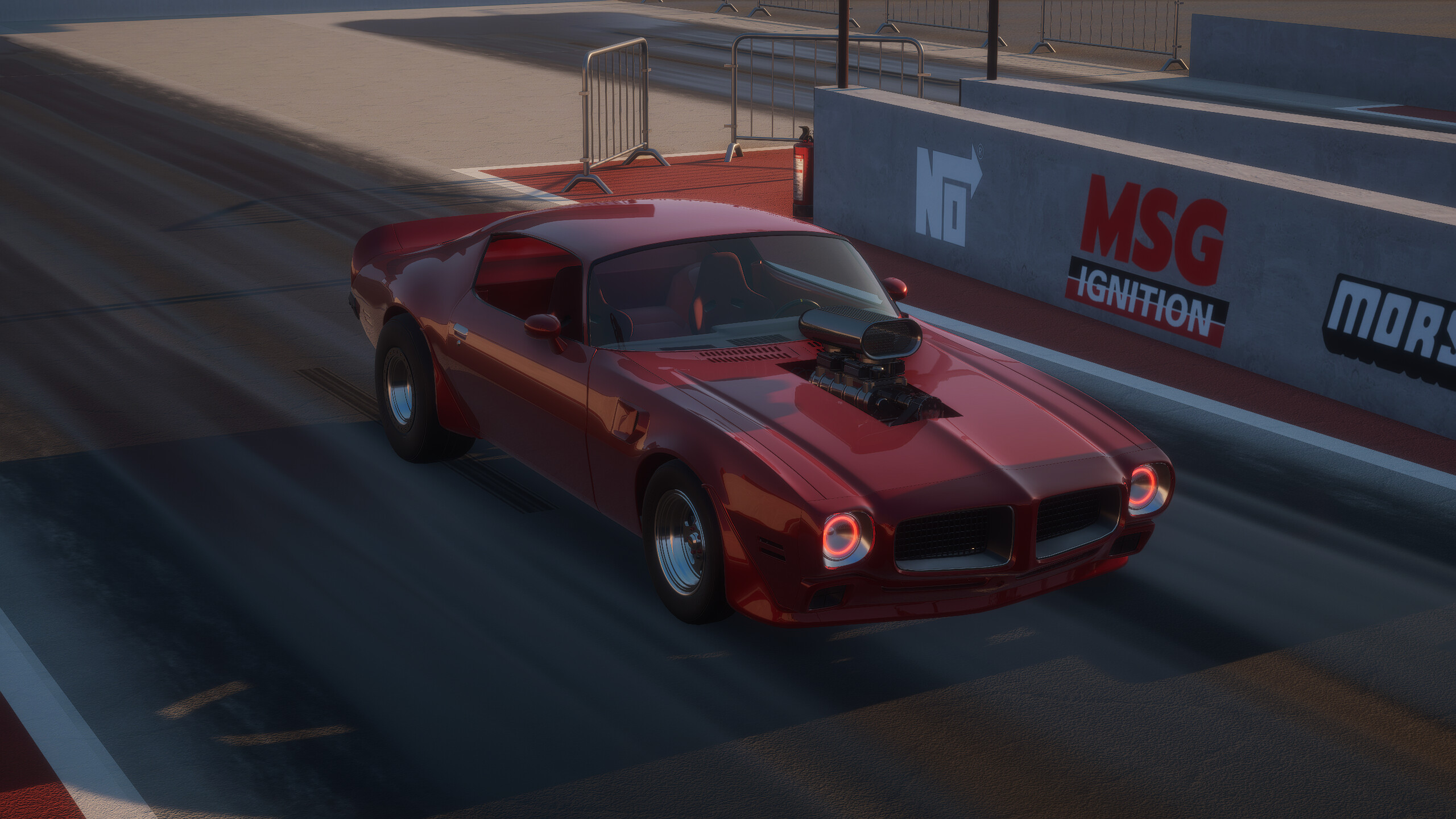
The quest for pure, tire-shredding performance in Breakout Garage often leads players to the iconic C10 platform. Whether you are aiming for a sub-11-second quarter-mile pass or simply want to create the ultimate garage showpiece, the breakout garage c10 turbo build is the gold standard for high-horsepower modification in the game.
Mastering this build requires more than just buying the most expensive parts; it demands a deep understanding of engine management, boost control, and chassis refinement. In this comprehensive guide, we will break down exactly how to assemble, tune, and race your C10 to ensure you dominate the strip while keeping your engine block in one piece.
Essential Internal Upgrades for Your C10
Before you even consider installing a massive turbocharger, you must ensure the foundation of your engine can handle the heat. Pushing boost into an unreinforced engine is a recipe for catastrophic failure. According to player experience, focusing on high-compression internals is the first step toward reaching that 500+ horsepower milestone.
Key Engine Internal Components
When you enter the engine shop, prioritize these specific components to maximize the reliability of your breakout garage c10 turbo build.
Part Name
Function
Upgrade Benefit
Forged Crankshaft
Rotating Assembly
Higher RPM stability
Forged Connecting Rods
Internal Strength
Prevents engine knock under boost
High Compression Pistons
Power Output
Significant brake horsepower gain
Ported Cylinder Head
Airflow
Improves power at high RPM ranges
Performance Camshaft
Valve Timing
Optimizes power curve
Don't Forget the Basics
Always verify your oil pan, water pump, and radiator condition before hitting the track. Even the best turbo setup will fail if the cooling system cannot manage the increased thermal load.
Mastering Boost and Turbo Configuration
The turbocharger is the heart of your project. In Breakout Garage, the choice between different turbo stages drastically alters your power band. While the Stage 3 turbo offers the most peak potential, finding the right balance for your specific gearing is crucial.
Choosing Your Turbo Stage
Different setups provide varying power results. Many community reports suggest that for the C10, Stage 2 or 3 builds offer the best balance for quarter-mile drag racing.
Setup Component
Setting/Value
Rationale
Turbo Stage
Stage 2 or 3
Balancing spool time vs top-end power
Boost Pressure
10–15 PSI
Standard for safety while maximizing power
Fuel Type
E85
Improves combustion stability
Shift RPM
5,800–6,000
Keeps power in the efficient range
If you feel your boost is "dying" during the launch, check your downpipe and collector pipe configuration. A misaligned exhaust system can cause artificial backpressure, stifling your turbo's ability to reach full boost early in the run.
Fine-Tuning the Drag Strip Experience
Your engine might be pushing 500 horsepower, but if your suspension and tires can't put that power to the ground, you won't see the times you expect. The breakout garage c10 turbo build requires a meticulous approach to launch control and tire management.
Recommended Suspension and Tire Specs
For consistent drag racing, you should aim to get your rear tire profile dialed in. Using 15x12 inch rims with drag radials significantly improves your launch traction.
Tire Pressure: Keep your rear drag radials around 16–18 PSI for maximum contact patch.
Launch RPM: Start at 5,500 RPM and adjust upward only if you have adequate track prep or tire heat.
Wheelie Bar: While not always required, installing a drag wing and weight-reduction panels can stabilize your truck during intense launches.
Avoiding Common Pitfalls
One of the most frequent errors reported by players is the "engine knock" warning. This usually occurs when the timing advance is too aggressive for the boost level being run. If you see this warning, immediately dial back your timing advance to 17 or 18 degrees and re-test.
Additionally, always double-check your torque converter stall speed. A stall speed that is too low will prevent your engine from entering its power band quickly enough, resulting in a sluggish "hole shot" that costs you precious tenths of a second at the strip.
Exploring the Platform Further
If you are looking for more technical data on the vehicles and engines available in the game, the Breakout Garage Wiki is an invaluable resource for every mechanic. It provides a deeper look into the specific mechanics of the Small Block Type C and the various B-Block configurations.
Frequently Asked Questions (FAQ)
What is the best engine for a breakout garage c10 turbo build?
The Small Block Type C is the most recommended engine for this build. It is lightweight, reliable, and has an extensive parts catalog that makes reaching 500+ horsepower straightforward for both beginners and veterans.
Why is my C10 shifting late or slipping?
This is usually a symptom of an improperly tuned torque converter or a transmission gear ratio that doesn't match your power band. Try adjusting your shift point to 5,800 RPM and ensure your transmission fluid and gearbox components are fully repaired.
How do I stop engine knock?
Engine knock is usually caused by excessive timing advance or low-quality fuel. Try running E85, check that all your ignition components are high-performance versions, and reduce your timing advance until the knock disappears.
Is the manual transmission better than the automatic?
While the manual transmission offers more direct control, the automatic with a properly adjusted stall converter is often more consistent for drag racing. Experiment with both to see which matches your driving style best.