Mastering Breakout Garage Donuts and Drag Racing Tuning Tips
Learn how to execute perfect Breakout Garage donuts, master engine tuning, and optimize your drag race performance in this complete mechanical simulation guide.
Published:
Video Guide
Breakout Garage - Donuts!Table of Contents
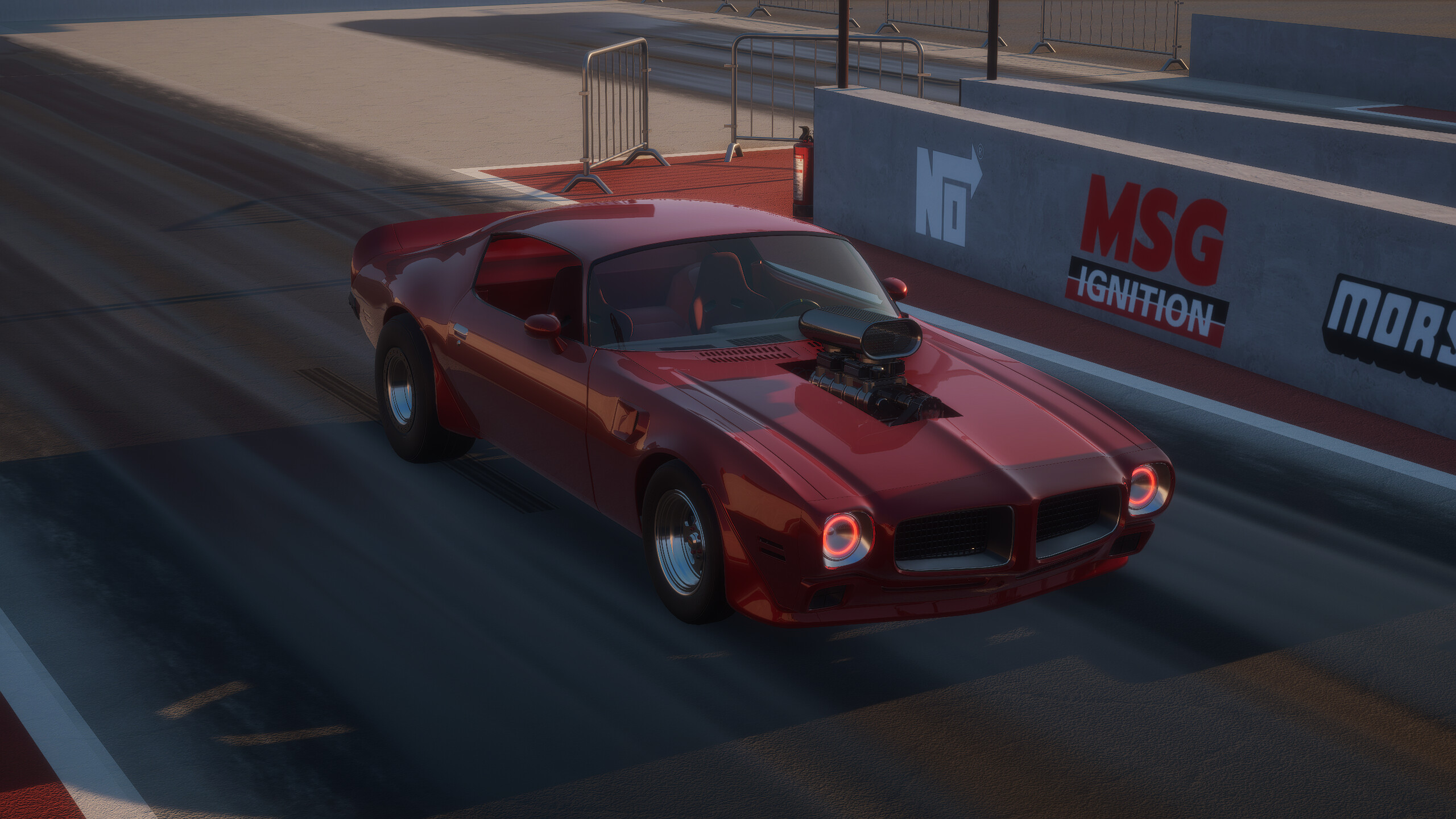
When you step into the world of Breakout Garage, you are not just playing a driving simulator; you are immersing yourself in the gritty, detailed reality of American car culture. Mastering the art of the breakout garage donuts is often the first sign that a player has truly begun to understand the physics and mechanical nuances of the game.
Why does this matter? Because in a game where every single bolt, gear ratio, and tire pressure setting affects your quarter-mile time, the ability to control your vehicle's traction—or lack thereof—is essential. Whether you are prepping for a high-stakes drag race or just burning rubber in a Texas-inspired open world, understanding how your vehicle responds to mechanical modifications is the key to victory.
The Art of the Perfect Burnout and Donuts
Performing breakout garage donuts requires more than just slamming the throttle. In Breakout Garage, the simulation takes into account weight distribution, tire compound, and engine torque. Players often find that vehicles with stock setups struggle to break traction consistently.
To execute the perfect drift or donut, you need to manage your rear-wheel torque. Based on community insights, here is how you can set up your vehicle for optimal spin:
Modification
Impact on Traction
Why It Helps
Differential Upgrade
High
Allows for consistent power delivery to both rear wheels.
Tire Pressure
Medium
Lowering rear pressure increases the contact patch for better grip.
Engine Camshaft
High
High-RPM cams provide the power burst needed to break traction.
Weight Reduction
Medium
Removing interior parts reduces resistance, making the car livelier.
Always remember: if you are struggling to initiate a spin, check your tire condition. Worn-out tires might seem like an advantage for drifting, but they lack the predictability required for controlled performance.
Deep Tuning: From Garage Build to Track Day
The core of Breakout Garage lies in the "build it, tune it, run it" philosophy. Mechanical choices matter—if you swap a mid-range camshaft for a high-RPM variant, you will notice an immediate change in your car's power band. According to developer notes, the game simulates real-world engine behavior, meaning you cannot just throw parts at a car and expect it to run perfectly.
When preparing for the drag strip, your focus should shift from pure power to power delivery. The transmission settings, specifically the "full throttle upshift" point, should be tuned to align with your engine's peak power RPM.
Optimizing Shift Points
Never set your shift point higher than your engine's redline. Always check your torque curve; if the power drops off sharply after 6,000 RPM, set your shift point to 5,900 or 6,000 to keep the car in its "sweet spot."
Drag Racing Strategy and Transmission Management
Drag racing in Breakout Garage is a game of millimeters and milliseconds. Many players report that improper use of the trans-brake is the most common reason for a poor launch. If your car isn't launching hard, you are likely failing to build enough pressure or using the wrong launch RPM.
Essential Drag Racing Checklist
Check Fluid Levels: Always ensure your engine oil and transmission fluids are topped off before a race.
Suspension Geometry: Ensure your front end isn't too stiff; a little bit of weight transfer to the rear during launch helps "squat" the car for better grip.
Fuel Quality: Higher octane fuels can prevent engine knock during high-stress drag passes.
Weight Stripping: Remove non-essential parts like headlights, grills, and interior trim if you want to shave those last few milliseconds off your time.
If you are interested in keeping up with the latest mechanical updates and community builds, check out the official Breakout Garage Steam Store Page.
The Science of Mechanical Customization
Why do some cars dominate the track while others lag behind? It comes down to the synergy between your parts. For example, installing a high-compression piston set without upgrading your cooling system or monitoring your exhaust temperatures can lead to frequent engine failure.
Recommended Upgrade Path
Bottom End: Start with forged internals to handle higher RPMs.
Valvetrain: Select a cam that matches your intended driving style (Mid-range for street, High-RPM for drag).
Drivetrain: A 4-speed or 6-speed transmission is usually better for drag racing than an automatic, provided you are willing to manage the shifts.
Wheels/Tires: Use skinny tires in the front to reduce rolling resistance and wide drag radials in the back for maximum launch traction.
Troubleshooting Common Garage Issues
Even experienced mechanics face frustration. If your car is pulling to one side during a launch, check your tire pressure balance. A discrepancy of even a few PSI between the left and right tires can ruin a perfect run.
Don't Overlook Wear and Tear
Driving a vehicle with damaged components—especially the transmission or differential—can lead to "tapping" sounds and significant power loss. If you hear excessive noise from the engine bay, pull over and check your damage reports immediately.
Frequently Asked Questions (FAQ)
Q: How can I improve my breakout garage donuts performance?
A: To improve your donuts, focus on upgrading your differential and rear tires. Ensure your engine is tuned for high torque to maintain the spin once the car starts to rotate.
Q: Does weight reduction actually affect quarter-mile times?
A: Yes, significantly. Every pound removed, from heavy seats to unnecessary trim, lowers the power-to-weight ratio, allowing your car to accelerate faster off the starting line.
Q: Why does my car pull to the left during drag races?
A: This is usually due to uneven tire pressure or suspension imbalance. Check that both rear tires have identical pressure settings and ensure your alignment is correct before heading to the track.
Q: Where can I find more community-driven tuning guides?
A: You can find various tutorials, community discussions, and tuning tips on the Breakout Garage Steam community hub.