Complete Breakout Garage Car List and Vehicle Tuning Guide
Discover the complete Breakout Garage car list and learn expert tuning strategies to dominate drag strips and oval tracks in this realistic racing simulator.
Published:
Table of Contents
The open-world simulation of Breakout Garage brings the raw, visceral experience of building a race car from the ground up to your screen. Whether you are hunting for the perfect platform to dominate the drag strip or looking for a reliable machine to grind out cash on the road course, understanding your options is the first step to victory.
In this guide, we provide the ultimate breakout garage car list and break down the mechanical depth required to turn a rusted-out project into a competitive masterpiece. Mastering the breakout garage car list not only helps you choose the right base but ensures you have the necessary knowledge to optimize every bolt and gear ratio for peak performance.
The Definitive Breakout Garage Car List
The game features a curated selection of vehicles that emphasize classic American muscle culture. Each vehicle offers unique handling characteristics, weight distribution, and engine compatibility. Choosing the right vehicle from the breakout garage car list is crucial, as some models are better suited for drag racing, while others offer more stability on the oval or road courses.
Vehicle Model
Era/Year
Primary Use Case
Chevrolet Blazer
1978
Off-road/Utility
Chevrolet C-10
1985
Drag Racing/Hauling
Chevrolet Impala
1967
Street/Muscle
Dodge Charger
1969
High-Speed Drag
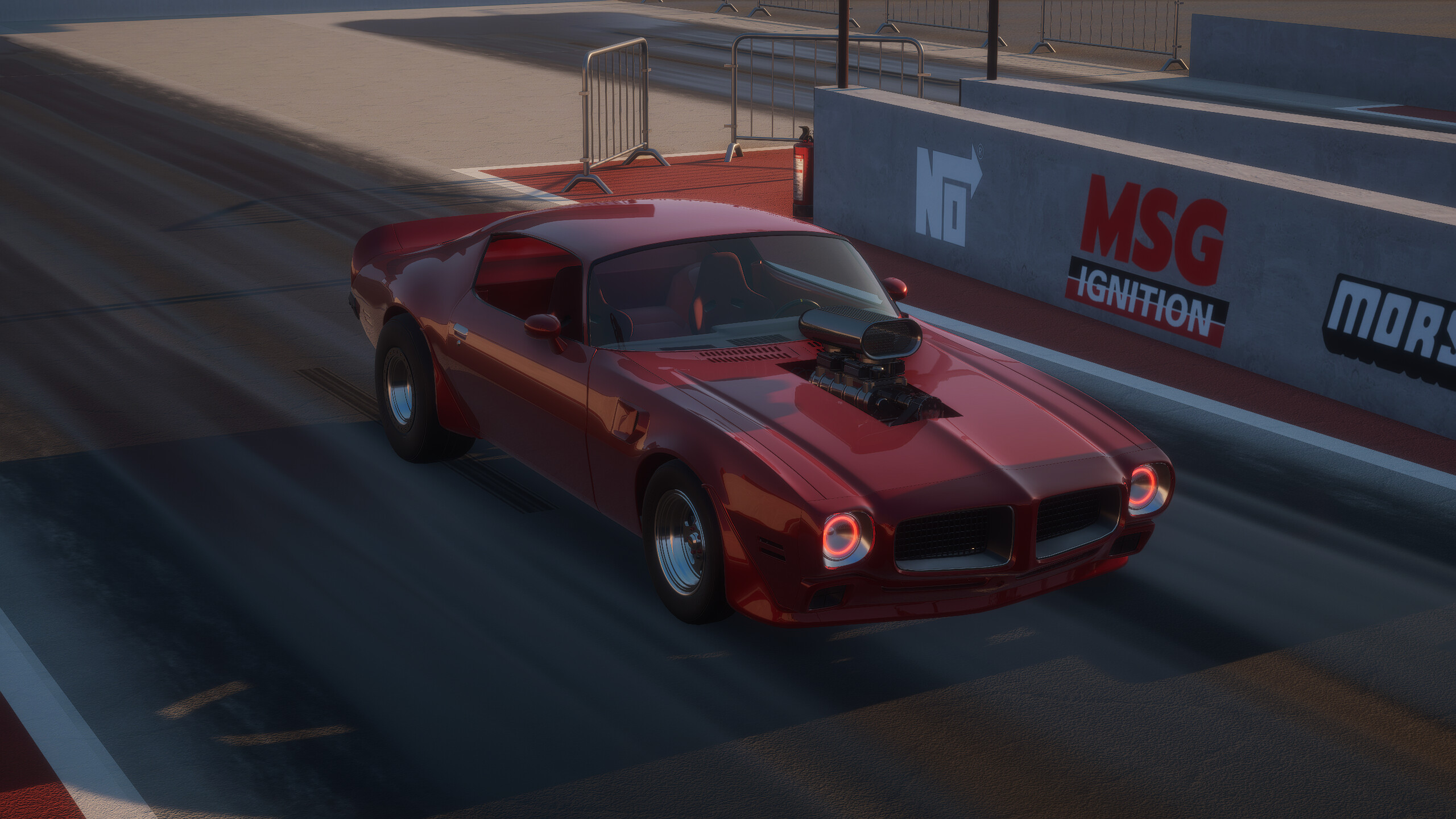
Pontiac Firebird
1970
Circuit Racing
Chevrolet Malibu
2019
Modern Performance
Kia Soul
2023
Lightweight Build
Tesla Cybertruck
2023
Torque/Experimental
Community Insight: Experienced players suggest that while the iconic muscle cars look the part, the 1985 Chevrolet C-10 is often preferred for drag setups due to its weight distribution and ease of engine access when swapping in larger V8 blocks.
Building Your Dream Machine: From Scrap to Track
Once you have selected a car from the breakout garage car list, the real work begins in the workshop. You aren't just buying parts; you are managing a complex mechanical system. Every component, from the spark plug wires to the flywheel, directly impacts your quarter-mile time.
Engine Disassembly and Performance Tuning
When stripping an engine, it is vital to keep track of your performance parts. Many players make the mistake of mixing standard and high-performance components. Always prioritize upgrading the camshaft, pistons, and crankshaft as a set to ensure compatibility and maximum horsepower.
Engine Health Checklist
Before hitting the track, ensure all engine components are repaired to 99% condition. Even high-performance parts will underperform if the core block or cooling system is neglected.
Suspension and Tire Dynamics
The interaction between your tires and the asphalt is where most beginners lose their edge. Based on community reports, switching to semi-slick racing tires is the single most effective way to improve lap times on road courses. For drag racing, you must utilize drag radials and adjust your tire pressure to roughly 16 psi in the rear to maximize launch traction.
Mastering the Drag Strip and Oval Tracks
The breakout garage car list is extensive, but your success depends on how you adapt these cars to specific racing environments. The game mechanics require a delicate balance of gear ratios and suspension stiffness.
Essential Tuning Parameters
Setting
Adjustment
Purpose
Tire Pressure
16-20 PSI (Rear)
Launch Traction
Spring Rate
35,000
Stability/Launch
Differential
4.11:1 Ratio
Acceleration Focus
Damper Setup
High Stiffness
Track Consistency
When you enter the drag strip, remember that "burning out" isn't just for show. Managing tire temperature and understanding how your specific build handles the launch is the difference between a sub-7-second pass and an embarrassing stall.
Why Your Build Choice Matters
The financial model in Breakout Garage rewards efficiency. If you choose a platform that is too expensive to repair, you will find yourself stuck in a loop of low-payout delivery jobs. By selecting a cost-effective vehicle from the breakout garage car list, you preserve your budget for critical performance parts like turbochargers and four-barrel carburetors.
Developer Advice: Always look for the weight-to-power ratio. Often, removing non-essential items like rear seats, AC units, and heavy body panels provides a better performance boost than buying an expensive engine upgrade for a vehicle that is too heavy to move effectively.
Common Pitfalls and How to Avoid Them
Even with a comprehensive breakout garage car list at your disposal, you will likely encounter technical hurdles. The most common error is the "mismatched parts" issue, where players attempt to install turbochargers or manifolds on incompatible engine blocks.
Troubleshooting Your Build
Missing Parts: Always check the charge pipe and exhaust downpipe compatibility before mounting the turbocharger.
Fueling Issues: Ensure you have switched to the appropriate fuel type (like E85) if your carburetor tuning requires it.
Aerodynamics: Adding a rear wing or front splitter is not purely cosmetic; these parts provide essential downforce that prevents your car from feeling "squirrely" at high speeds.
To keep up with the latest updates and find detailed mechanical guides, you can visit the official Breakout Garage Steam Store page.
Frequently Asked Questions
Which car on the breakout garage car list is best for beginners?
The 1985 Chevrolet C-10 is widely considered the best starter vehicle due to its versatility, parts availability, and the massive amount of community-provided tuning data available for drag builds.
Do I really need to change my tires for different tracks?
Yes. Drag radials provide the grip needed for the strip, while semi-slick tires are essential for the lateral forces experienced on road courses. Using the wrong tire will significantly increase your lap times.
How can I make money faster in the game?
Focus on mastering the road course time trials. Once you have a consistent setup, these offer high payouts compared to the manual labor of delivery jobs, allowing you to fund engine swaps and high-end components.
Is tuning individual components necessary?
Absolutely. The game’s deep tuning system—covering ignition, gearing, and suspension—means that even with a top-tier engine, a poor tune will prevent you from reaching your car's true potential. Spend time adjusting your ignition box and gear ratios for the best results.