Breakout Garage C10 Build Guide: Dominate the Drag Strip
Master the Breakout Garage C10 build with our expert tuning guide. Learn how to optimize your Chevy C10 for record-breaking quarter-mile runs today.
Published:
Table of Contents
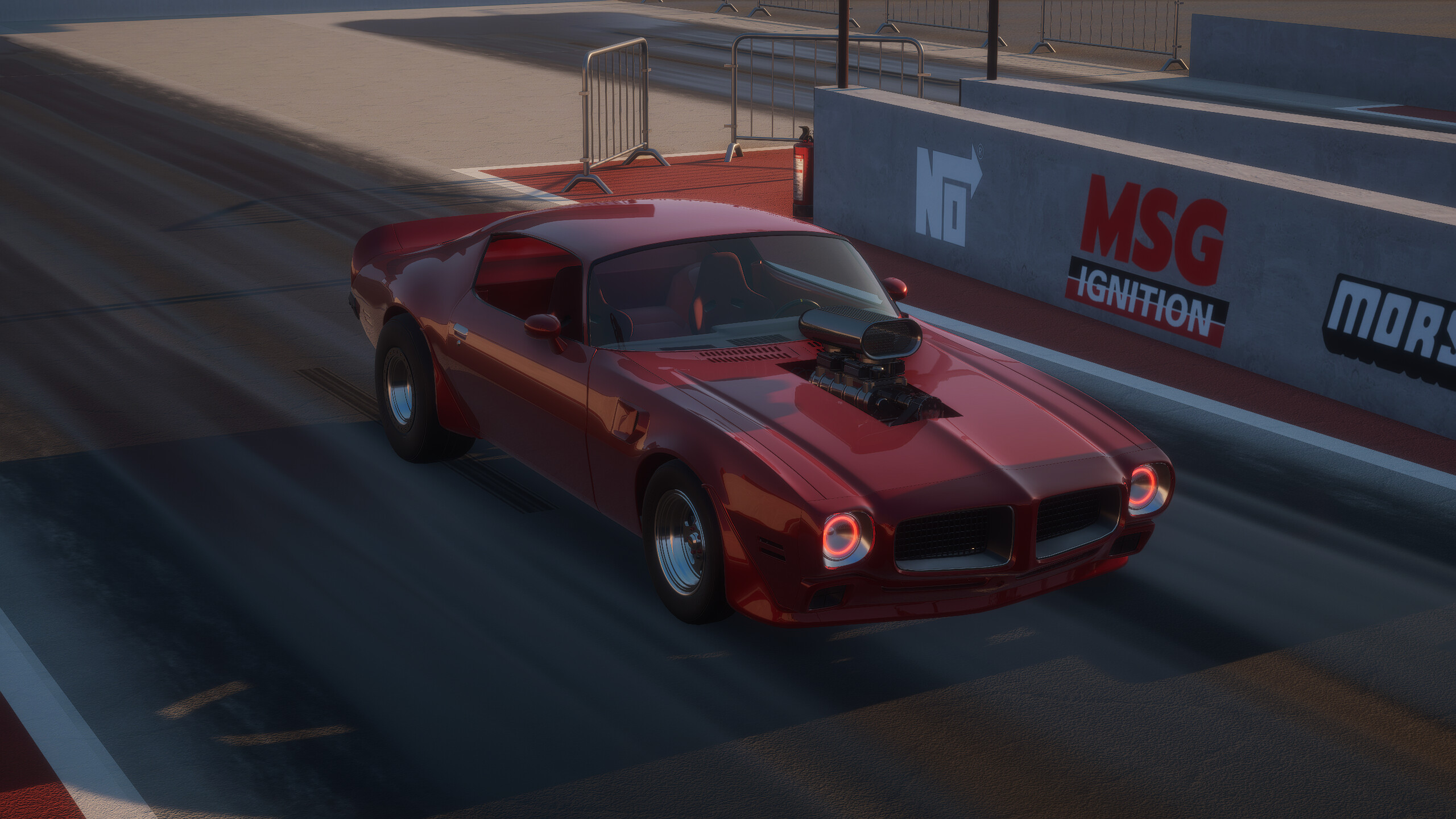
Building the perfect vehicle in Breakout Garage is a journey of trial, error, and high-octane obsession. Among the many rides available in this Texas-inspired racing simulator, the Chevy C10 stands out as a true icon of American muscle culture. Mastering your breakout garage c10 setup is the fastest way to turn a stock truck into a quarter-mile dominator that leaves competitors in the dust.
In this guide, we will break down the essential components, tuning parameters, and mechanical strategies needed to push your breakout garage c10 to its absolute limits. Whether you are struggling to find traction on the starting line or fighting engine knock at high RPMs, we have the technical insights to help you secure that next big win.
The Foundation: Selecting Your C10 Build Path
In Breakout Garage, your choice of internal components dictates your ceiling on the drag strip. Many players find that starting from a bare chassis allows for the most control over weight and power distribution. As seen in community reports, the decision to go with a "Big Block" configuration—specifically the 496 stroker—offers a massive power advantage over standard engines.
Essential Components for a High-HP C10
Component
Recommendation
Why It Matters
Engine Block
496 Big Block
High displacement for raw torque
Pistons
LC Forge
Critical for handling high boost pressure
Crankshaft
Stroker Forge
Increased structural integrity for high RPMs
Camshaft
Performance V3
Optimal valve timing for drag performance
Building for performance requires a balanced approach. While a turbocharger setup can produce impressive numbers, community testing indicates that naturally aspirated or supercharged big-block builds often provide more predictable power delivery for those new to the game.
Mastering Real Tuning: The Secret to Consistency
A high-horsepower build is useless if you cannot get that power to the pavement. Tuning your breakout garage c10 requires a granular approach to ignition, boost, and tire management. Players often overlook the importance of gear ratios, which are essential for maintaining your power band throughout the entire quarter-mile pass.
Dialing In Your Launch
Never jump straight to maximum launch RPM. Start at 3,000 RPM and increase by 250 increments. If you see tire spin, pull back on the launch control or adjust your rear tire pressure to find that "sweet spot."
Tuning Parameter Checklist
Idle Parameter: Set to approximately 1,000 RPM for stable engine operation.
Part Throttle: Target 775 to maintain consistent vacuum.
Initial Advance: 12 degrees is a safe baseline for ignition timing.
Rear Tire Pressure: Start at 16 PSI to increase the contact patch for launch.
Suspension and Drivetrain: Putting Power Down
The physics engine in Breakout Garage rewards attention to detail. If your truck is squatting too hard or hopping off the line, your suspension settings are likely the culprit. Proper spring rates and shock dampening are what transform a "squirrelly" truck into a planted drag machine.
Recommended Suspension Settings
Setting
Adjustment
Purpose
Front Spring Rate
4,000
Keeps the front end stable during acceleration
Front Dampeners
3,600
Reduces nose dive and improves steering response
Rear Spring Rate
29,000
Prevents the rear end from bottoming out
Rear Dampeners
3,500
Controls the rebound during the weight transfer
Many advanced players advise installing a wheelie bar, especially if your breakout garage c10 is producing over 800 horsepower. However, keep the height at a modest level; setting it too high can prevent the rear tires from gaining maximum traction, while too low will cause you to bounce off the track surface, leading to a disqualification.
Troubleshooting Common Build Issues
Even the most veteran builders encounter engine knocks or poor shifting patterns. Based on community insights, engine knock is often the result of "pushing the engine too hard" relative to your current fuel or air intake settings. If you notice your boost dropping mid-run, check your downpipe and exhaust header configurations.
Troubleshooting Table
Symptom
Probable Cause
Fix
Engine Knock
High RPM / Incorrect Air-Fuel
Lower the redline slightly or adjust ignition
Slipping Gearbox
Torque Converter stall
Adjust stall RPM to match your peak torque
Loss of Boost
Mismatched Exhaust Headers
Ensure collector pipes match engine version
Remember that every part added adds weight. While body panels like fenders and bed covers make the truck look incredible, you may want to strip them if you are chasing a world-record time. Performance should always take priority over aesthetics when you are betting large sums against high-level AI opponents.
Why the C10 Remains the Top Choice
The versatility of the Chevy C10 platform is what keeps it at the top of the leaderboards. With various models available—from the 1973 classic to the 1985 workhorse—you can choose a chassis that suits your specific building style. You can find detailed vehicle lists and stats at IGCD.net, which provides a great reference for your next garage project.
Consistency is the hallmark of a great racer. By keeping a notepad or a spreadsheet of your tuning changes, you can systematically improve your ET (Elapsed Time). Do not be afraid to experiment with different turbo levels; as we discovered, sometimes a Stage 2 turbo offers more balanced boost delivery than the Stage 3, depending on your transmission setup.
Frequently Asked Questions (FAQ)
1. How do I stop my breakout garage c10 from spinning the tires off the line?
Focus on lowering your rear tire pressure to 16 PSI and refining your launch RPM. If the spin continues, consider upgrading to wider drag radials and softening your rear shock compression to allow better weight transfer.
2. Is an automatic or manual transmission better for the C10?
It depends on your skill level. Sequential or automatic setups are generally more consistent for beginners. If you want to shave those last few milliseconds off your time, manual shifting allows you to control the RPMs precisely before each gear change.
3. Why does my engine keep knocking during a run?
Engine knock usually indicates that you are exceeding the safe operating limits of your engine's internal components. Try lowering your ignition advance by 1-2 degrees or checking your E85 fuel mixture.
4. Where can I find more community builds for my truck?
Check the official Breakout Garage Steam page to engage with other players. The community is constantly sharing new setups, and you can often find specific tuning guides for your engine configuration.