Breakout Garage Drag Car Build Guide: Dominate the Strip
Master the art of the Breakout Garage drag car build with our expert tuning, weight reduction, and engine setup tips to shave seconds off your quarter-mile.
Published:
Table of Contents
Drag racing in Breakout Garage isn't just about pressing the gas pedal; it’s about precision engineering and understanding the mechanical limits of your ride. Whether you are a beginner struggling to keep your junker on the track or a veteran tuner pushing for 7-second passes, mastering the breakout garage drag car build is the key to financial success and leaderboard dominance.
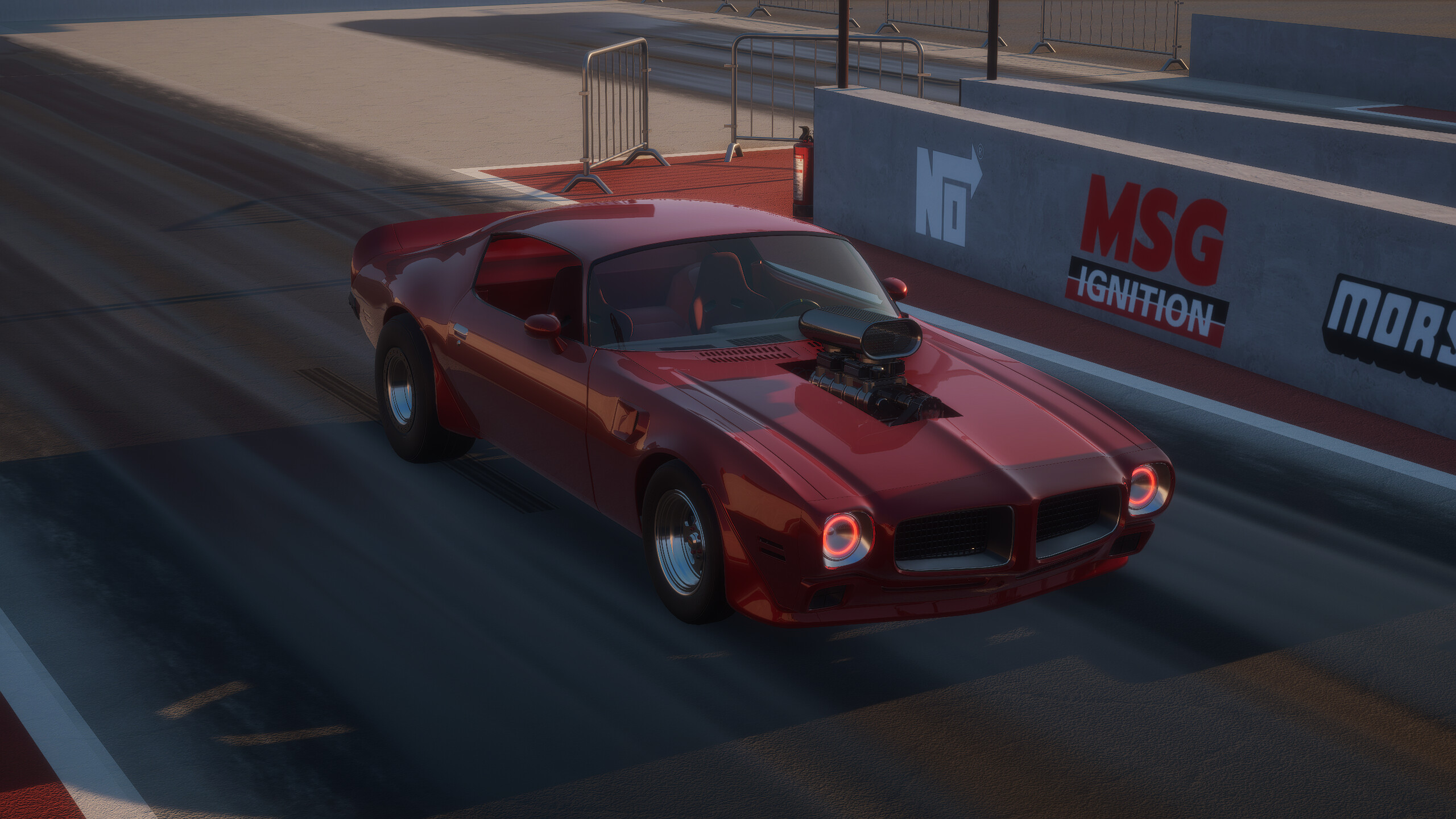
This guide dives deep into the systems of this immersive simulation, helping you transform a rusty budget vehicle into a quarter-mile weapon. We will cover weight reduction, engine internals, and the specific tuning tricks that distinguish a casual racer from a track specialist.
Understanding the Foundation of Your Drag Machine
Before you start pouring money into high-performance parts, you need to understand the platform you are working with. Many players make the mistake of buying the fastest car on the lot only to realize they lack the funds to repair it. According to community reports, your primary goal in the early game is to acquire a vehicle with a V8 engine that you can afford to maintain.
When starting your breakout garage drag car build, prioritize chassis integrity over cosmetic perfection. A car with a solid V8 block can be stripped down to minimize weight, which is the most effective way to improve your power-to-weight ratio.
Essential Vehicle Selection Criteria
Feature
Importance
Why it matters
Engine Type
Critical
V8 blocks provide the best torque for launching.
Chassis Condition
High
A bent frame ruins handling and performance.
Transmission
High
A functional transmission is vital for consistent shifts.
Weight
Medium
Every pound stripped improves acceleration.
The Art of the "Crash Diet": Weight Reduction
Weight is the enemy of speed. If you want to build a competitive drag car, you need to be ruthless about what stays in the vehicle. Based on top-tier player setups, stripping the car is the first step in any serious build.
Steps to strip your build:
Interior: Remove the dashboard, back seats, and door panels. These components add unnecessary mass without contributing to performance.
Exterior: Remove non-essential items like bumpers, side mirrors, and wipers. If you are specifically building for the drag strip, these parts are strictly decorative.
Engine Bay: Remove A/C units and cooling fans if you are strictly racing short distances, as they drain engine power and add weight.
Remember, the goal of a breakout garage drag car build is to reach the finish line as fast as possible, not to look good in the parking lot. Always keep your driver’s seat and steering wheel, as these are the only mandatory interior components for a functional vehicle.
Engine Tuning and Internals: Power Under the Hood
Once you have shed the extra weight, it’s time to focus on the heart of the beast. Tuning your engine involves balancing ignition timing, fuel types, and compression ratios. Community experts suggest moving toward E85 fuel for higher performance gains during drag racing sessions.
Key Engine Components for Drag Racing
Component
Recommended Choice
Performance Benefit
Pistons
Low Compression (LC V2)
Better reliability and boost support.
Ignition
Box 2 with Step
Optimized timing for high-RPM power.
Supercharger
1.121 Pulley
Increased forced induction efficiency.
Rods/Crank
Forged Internals
Necessary for high-torque launches.
When adjusting your ignition box, ensure you are using the "Box 2 with Step" to maximize output. Small adjustments here can lead to massive differences in your trap speed. Always verify that your engine condition is at 99% before attempting a serious run; a ticking engine is a sign of internal damage that will cost you the race.
Suspension Tuning for the Perfect Launch
A powerful engine is useless if you cannot get that power to the ground. Suspension tuning is where many players fail in their breakout garage drag car build. You want a setup that allows for a firm squat at the rear during launch without causing the car to bounce uncontrollably.
Recommended Suspension Setup
Damper Settings: Set to maximum stiffness to prevent excessive body roll.
Spring Rate: Aim for around 35,000 for the rear leaf springs to handle high-torque launches.
Tire Pressure: For rear drag slicks, keeping pressure around 16 PSI provides the best contact patch for maximum grip.
Wheel Setup: Utilize 15-inch rims with wide drag-specific tires (e.g., 395/40/15) in the rear and thinner 17-inch tires in the front.
Reaction Time Practice
The "Pro Tree" drag format requires precise timing. Don't launch too early, or you'll trigger a foul. Watch the lights closely and aim to launch exactly when the green light illuminates.
Troubleshooting and Maintenance
Even the best-tuned car will encounter issues. If you notice your car "jerking" or pulling to one side, check your steering linkages and suspension frame percentage. If these are low, no amount of engine tuning will fix your track performance.
Always keep a "mechanic's log" or follow the official game wiki to track which parts are wear-prone. Replacing an oil filter or a set of spark plug wires is a cheap way to ensure you aren't leaving horsepower on the table. When repairing parts, always aim for 99% condition; anything less is inviting a catastrophic failure mid-race.
Maximizing Profits on the Strip
Once your breakout garage drag car build is ready, you need to monetize it. The most efficient way to earn money is to participate in drag racing events against lower-tier AI opponents. Because you have optimized your weight and tune, you will consistently outperform them.
Steps to maximize earnings:
Consistency: Repeat races against opponents you know you can beat.
Track Prep: Use the track preparation option if you are struggling with wheel spin, though it adds a small fee.
Avoid Damage: Wrecking your car is the fastest way to drain your bank account. If you are unfamiliar with the track, prioritize finishing over raw speed.
Frequently Asked Questions
Q: Why does my car pull to the side during a launch?
A: This is usually a sign of uneven suspension or steering linkage damage. Check your frame percentage and alignment to ensure the car tracks straight.
Q: How do I choose the right V8 engine for my build?
A: Focus on the "Small Block Type C" for a balance of weight and performance, or a "B-Block" if you need massive torque and aren't as concerned about the weight penalty.
Q: Is a manual transmission better than an automatic for drag racing?
A: While automatics are easier for beginners, a manual setup allows for better control over RPMs during the launch phase, often leading to lower ETs (Elapsed Times) in a competitive breakout garage drag car build.
Q: How do I stop my engine from "ticking"?
A: The ticking sound indicates failing internal components like pistons or valves. Stop racing immediately, repair your engine internals, and replace your spark plug wires to resolve the issue.