
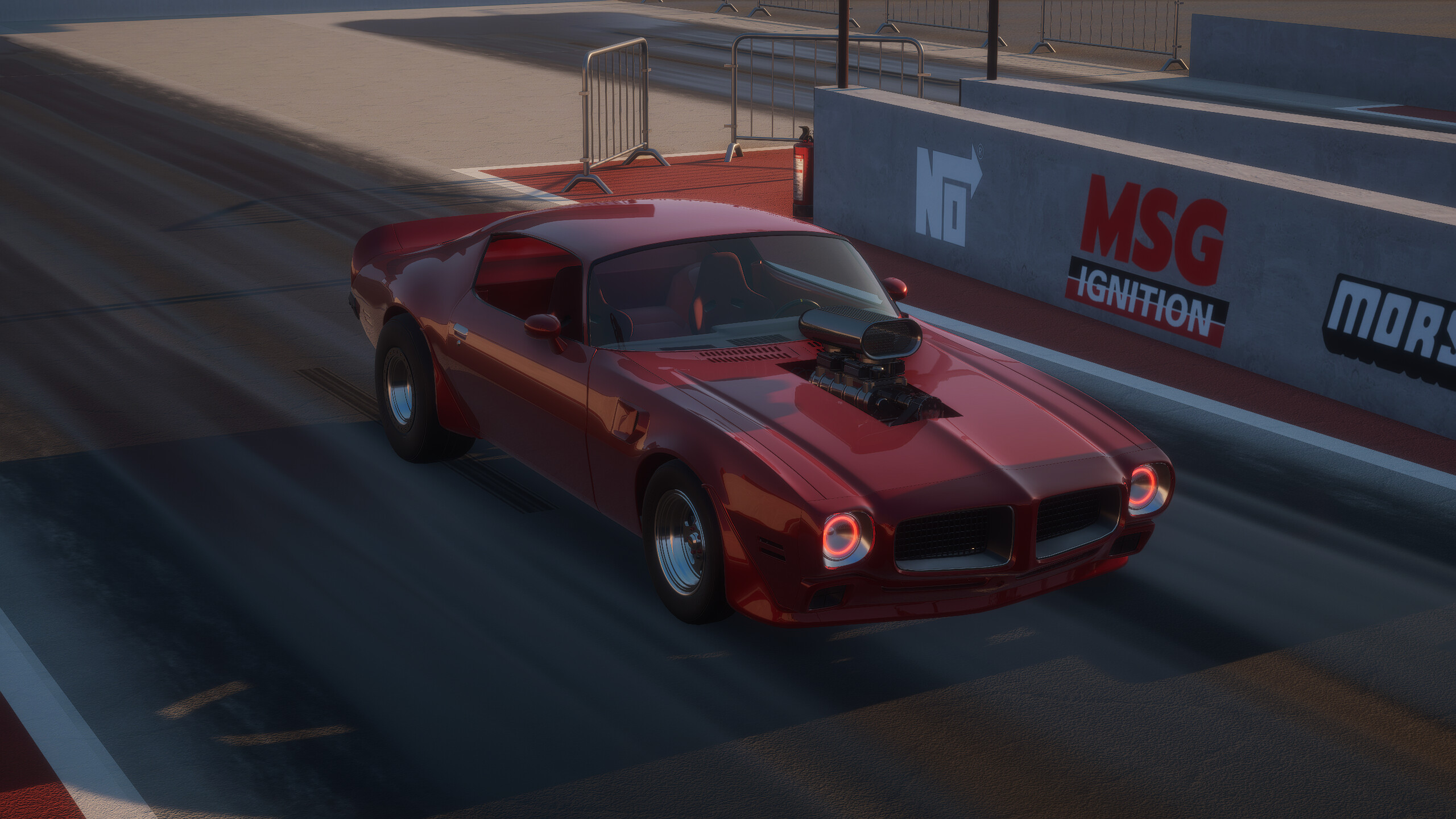
Deep mechanical simulation meets the dusty roads of Marfa, Texas, in Breakout Studio’s latest title. Mastering your breakout garage race car build is not just about slapping on the biggest turbo you can find; it is about understanding the synergy between ignition timing, gear ratios, and weight distribution. Whether you are aiming for a low 7-second pass on the drag strip or trying to shave seconds off your road course lap time, every bolt matters. In this comprehensive guide, we will break down the essential steps to transforming a rusty barn find into a competitive machine. Perfecting a breakout garage race car build requires patience, a bit of grease, and a deep understanding of the game's realistic physics engine.
Video Guide
Table of Contents
The Foundation of a Breakout Garage Race Car Build
Every legendary racer starts in the same place: a cluttered garage with a limited budget. When you first acquire a vehicle, often a "rusty and crusty" shell, your immediate priority should be a full mechanical audit. In Breakout Garage, parts don't just have a "health bar"; they have physical conditions that affect performance. A cracked camshaft or a worn-out clutch will sabotage your racing efforts before you even leave the staging lanes.
Quick Answer A successful breakout garage race car build starts with weight reduction and a thorough engine overhaul. Before adding power, ensure your internals (crankshaft, pistons, and rods) are forged to handle the increased stress of boost or high-RPM racing.
Initial Inspection and Budgeting
Starting with a $10,000 budget might seem generous, but in the world of Texas car culture, that money disappears quickly. Community reports suggest that players often spend $9,000 just to acquire a decent base vehicle, leaving only $1,000 for immediate repairs. You must prioritize components that keep the car running straight and cool.
| Component | Priority | Estimated Cost | Impact on Performance |
|---|---|---|---|
| Engine Internals | High | $500 - $1,500 | Prevents catastrophic engine failure |
| Tires (Slicks/Radials) | High | $400 - $800 | Essential for putting power to the ground |
| Weight Reduction | Critical | $0 (Labor) | Improves acceleration and handling |
| Aerodynamics | Medium | $300 - $600 | Increases stability at high speeds |
| Cosmetic Repairs | Low | $1,000+ | Purely visual; save for late-game |
Deep Engine Tuning and Internal Upgrades
Once the car is running, the real work on your breakout garage race car build begins under the hood. The game allows for a granular level of disassembly, from the valve covers down to the oil pan. If you're moving from a stock Inline-6 to a high-performance V8 or adding a turbocharger to your existing block, you must upgrade the supporting hardware.
Forged Internals and Boost Prep
Adding a turbocharger or a supercharger without upgrading your pistons and connecting rods is a recipe for a "money pit" scenario. Players have noted that stock components often fail under high boost pressures. To build a reliable racing engine, look for forged crankshafts and flat-top pistons. These parts are heavier but significantly more durable, allowing you to push the RPM limit during drag races.
Key Engine Components for Racing:
- Forged Crankshaft: The backbone of your bottom end.
- High-Performance Camshaft: Adjusts valve timing for better top-end power.
- Turbocharged Exhaust Manifold: Necessary for mounting snails and managing heat.
- Four-Barrel Carburetor: Ensures the engine receives enough fuel-air mixture under load.
The Turbocharger vs. Supercharger Debate
In Breakout Garage, the choice between a turbo and a supercharger changes the car's personality. Turbos offer massive top-end speed, ideal for the Texas open roads and long drag strips, but they require careful "charge pipe" routing and tuning to minimize lag. Superchargers, while providing instant torque, often require specialized hoods (like the cut hood) to fit the blower assembly.
Tuning for the Drag Strip: The 7-Second Setup
Drag racing is the heart of the Breakout Garage experience. To compete with the top-tier bosses, you need a specialized breakout garage race car build that focuses on "the launch." According to community reports from veteran players like Endless Gaming, achieving a sub-8-second pass requires a specific combination of tire pressure and suspension damping.
Drag Suspension and Tire Setup
In a drag build, you want the rear end to "squat" to maximize traction. This is achieved by adjusting the leaf springs and shock absorbers. Setting your rear tire pressure to around 16 PSI allows the sidewall to wrinkle, providing a larger contact patch during the launch.
| Setting | Value (Drag Focus) | Reason |
|---|---|---|
| Rear Tire Pressure | 16 PSI | Maximizes grip for the launch |
| Front Tire Pressure | 45 PSI | Reduces rolling resistance |
| Rear Spring Rate | 35,000 | Provides necessary stiffness for weight transfer |
| Damper Setting | Max | Controls the rebound after the launch |
| Differential Ratio | 4.11:1 | Optimal for quick acceleration in the 1/4 mile |
Pro Launch Tip When staged at the drag strip, hold the clutch in and rev the engine to its peak torque curve. Release the clutch the moment the green light flashes, but be prepared to counter-steer if the car gets "squirrely" due to the high torque output.
Road Course and Oval Racing Optimization
Not every breakout garage race car build is meant for a straight line. The road courses and ovals in the Texas-inspired open world require a different philosophy. Here, "grip" and "braking" are just as important as horsepower. If you try to take a drag-tuned car onto the road course, the body roll and understeer will result in a DNF.
Handling and Aerodynamics
For road racing, you need to install semi-slick racing tires and focus on downforce. Adding a front splitter and a rear wing version 2 can significantly improve high-speed stability. Unlike the drag strip, where you want weight transfer to the rear, road racing requires a balanced setup that keeps all four tires planted through the chicane.
Road Racing Checklist:
- Remove Drag Radials: Swap for 15-inch semi-slicks.
- Install Front Splitter: Reduces front-end lift during high-speed cornering.
- Adjust Carburetor: Tune for a broader power band rather than just peak horsepower.
- Brake Calipers: While some drag racers remove them to save weight, they are non-negotiable for road courses.
The Art of the "Crash Diet": Weight Reduction
Weight is the enemy of performance. Every pound you remove from your breakout garage race car build is "free" horsepower. In the early stages of the game, when money is tight, gutting the interior is the most effective way to increase your power-to-weight ratio.
What to Remove for Maximum Speed
- Passenger and Rear Seats: These add unnecessary bulk and offer zero performance benefit.
- Bumpers and Trim: While they protect the body, removing them can save dozens of pounds.
- Dashboard and Lights: For a dedicated track car, the dashboard is just extra plastic.
- Carbon Fiber Swaps: As you earn more cash from racing, replace steel panels with carbon fiber hoods and trunks.
Safety vs. Speed Removing the headlights and bumpers makes your car illegal for certain "street drag" events and makes night driving nearly impossible. Only gut these parts if you have a dedicated trailer or plan to stay on the track.
Grinding for Profit: The Road to the Crate Motor
Building the ultimate breakout garage race car build requires a massive influx of cash. The most efficient way to earn money is by participating in time trials. For example, the road course endurance challenges can pay out upwards of $2,500 per successful run if you can meet the aggressive time targets.
Flipping Cars for Fun and Profit
If you find yourself stuck, consider the "buy, fix, flip" strategy. Buy a low-end vehicle from the used lot, perform a basic engine refresh, and sell it back for a $500–$600 profit. While it lacks the glory of winning a drag race, it provides the capital needed for high-end parts like the SBC crate motors or twin-turbo kits.
For more information on official updates and community events, check out the Breakout Garage Steam Page to stay connected with the developers at Breakout Studio.
Conclusion: The Never-Ending Build
A breakout garage race car build is never truly finished. There is always a slightly better ignition timing, a lighter set of rims, or a more aggressive wing angle to test. By balancing mechanical repairs with strategic performance upgrades, you can climb the leaderboards and dominate the Texas racing scene. Remember to always check your internals after a hard day at the track—in Breakout Garage, the difference between a podium finish and a blown engine is often just a single loose bolt.
FAQ: Breakout Garage Building & Tuning
How do I fix a "squirrely" car on the drag strip?
If your breakout garage race car build is drifting side-to-side during a launch, it is likely due to uneven tire pressure or an overly aggressive differential setting. Try lowering your rear tire pressure to 16 PSI and ensuring your suspension dampers are set to maximum to control the weight transfer.
What is the best engine for a beginner build?
Most players start with the Inline-6 due to its lower initial cost and simpler mechanics. However, for those looking to win big bets at the drag strip, swapping to a V8 crate motor as soon as possible is recommended. The V8 offers a much higher ceiling for performance parts like blowers and twin turbos.
Does aerodynamics actually matter in Breakout Garage?
Yes! According to player experience, adding a front splitter and rear wing significantly impacts the car's handling at speeds over 100 MPH. Without aero, cars tend to feel "floaty" on the Texas open roads, which can lead to disastrous crashes during high-speed delivery jobs or races.
Can I run a turbo and a supercharger at the same time?
Currently, the game focuses on realistic setups, meaning you typically choose one form of forced induction. A turbocharger is generally better for top-end speed and road courses, while a supercharger provides the immediate torque necessary for winning short-distance drag races.
Sources and known gaps
- Breakout Garage - Coming Soon Source accessed:
- Breakout Garage Source accessed:
- I Rebuilt My Race Car’s Engine to Win Cash! (Breakout Garage) Source accessed:
- BREAKOUT GARAGE: My LOW 7-Second Drag Tune! 🏁 1/4 Mile Setup & Tuning Guide Source accessed: