Breakout Garage Flipped Car: How to Fix & Prevent Tips
Struggled with a Breakout Garage flipped car? Discover professional tuning tips, suspension setup tricks, and recovery methods to master your muscle car.
Published:
Video Guide
Breakout Garage - I Flipped My Car!Table of Contents
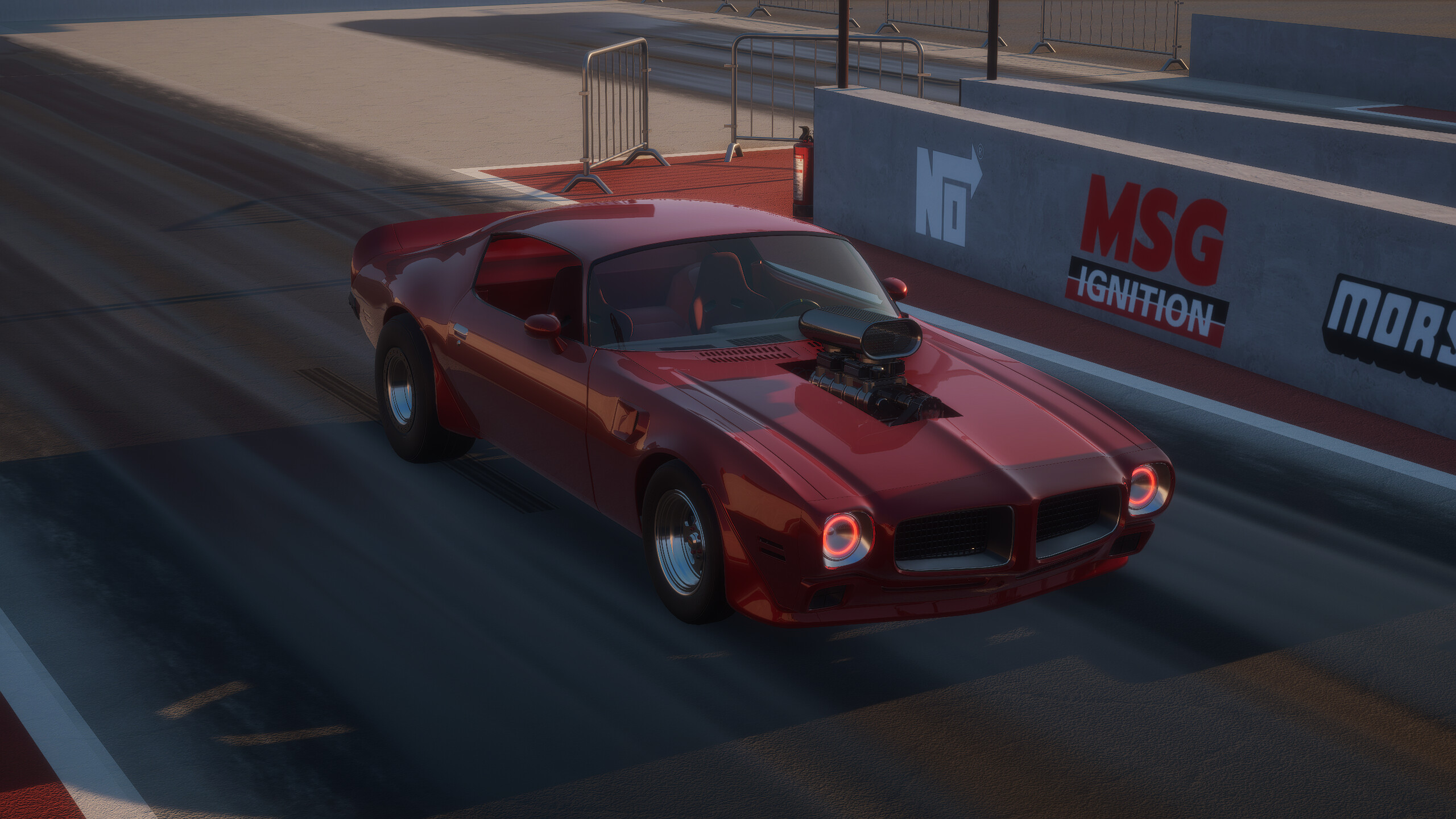
Have you ever found yourself staring at your masterpiece in the middle of a test run, only to realize your breakout garage flipped car is upside down on the track? It is a rite of passage for every builder in Breakout Garage, the hyper-realistic racing simulator available on Steam. While seeing your vehicle roll over is frustrating, it is often the best indicator that your current setup needs a serious overhaul.
Understanding the mechanics behind why your vehicle ends up as a breakout garage flipped car is vital for any serious gearhead. Whether you are aiming for drag strip glory or dominating the oval track, aerodynamics, suspension stiffness, and weight distribution play critical roles. In this guide, we will break down exactly how to diagnose the issue, tune your chassis for stability, and get back to record-breaking lap times.
The Science of Stability: Why Cars Flip
In Breakout Garage, a flip usually occurs due to a mismatch between raw engine power and chassis capability. When you install a high-performance engine, such as a supercharged small block, you gain massive acceleration, but your suspension must handle that torque.
According to community reports, flips often occur when the front end lifts at high speeds—commonly around 180 mph—because of improper aerodynamic balance. If the rear end is raked too low or the front springs are too soft, air gets trapped under the chassis, creating lift.
Common Factors Leading to Flips
Factor
Effect on Stability
Mitigation Strategy
Front Spring Rate
Too soft causes nose-lift
Stiffen front springs to handle weight
Aerodynamics
Poor airflow creates lift
Use hoods with cutouts or adjust rake
Rear Diff Ratio
Improper gearing causes surge
Calibrate to match engine power curve
Tire Pressure
Too high reduces traction
Lower pressure for better contact patch
Step-by-Step Recovery: How to Handle a Flipped Car
When your car lands on its roof, you don't necessarily need to discard the entire build. Often, the internal components remain intact, even if the exterior bodywork takes a beating.
Player experience suggests that you should first assess the damage using the hammer tool. If the frame is bent or the suspension geometry is compromised, no amount of tuning will keep the car on the track. If the car is totaled, you may need to invest in a fresh chassis or perform significant repairs.
Build for Versatility
Always keep your previous drag racing parts in your inventory. By swapping components, you can transform your vehicle from an oval track car back to a drag-strip monster without losing your financial progress.
Fine-Tuning Your Suspension for Performance
To prevent your project from becoming another breakout garage flipped car, you must master the art of suspension tuning. Many players make the mistake of setting all four corners to the same stiffness, but oval tracks and drag strips require different approaches.
If you are experiencing tip-over issues during cornering, try lowering the spring height on the left side of the vehicle. This helps the car "lean" into the turn naturally. Furthermore, upgrading to adjustable shocks allows you to dampen the energy of the launch, preventing the front end from snapping upward too aggressively.
Recommended Tuning Baseline
Component
Oval Track Setup
Drag Strip Setup
Front Springs
Stiff (50-60)
Medium
Rear Springs
Softer for grip
Stiff for launch
Shock Absorbers
Adjustable (High)
Adjustable (Mid)
Ride Height
Low (Center of Gravity)
Stance-dependent
Aerodynamics and Tire Management
A frequently overlooked aspect of preventing a breakout garage flipped car is the choice of tires and wheels. If your tires are too tall, they can alter the vehicle's center of gravity and cause rubbing against the wheel arches, which adds unpredictable drag.
Using a staggered setup—semi-slicks on the front and drag slicks on the rear—can improve traction, but only if you have the tire pressure balanced correctly. Try running lower pressure in the rear (around 15-20 PSI) to ensure maximum rubber contact during the launch, and keep your front pressure slightly higher to maintain steering responsiveness.
Essential Tuning Checklist
Check Ride Height: Ensure the car is not raked too heavily towards the rear.
Balance Power: If you use E85, ensure your air-fuel ratios (AFR) are tuned; a surging engine causes uneven power delivery.
Verify Parts: Ensure the radiator cap, oil cap, and other accessories are installed to prevent unnecessary engine weight/balance issues.
Monitor Gear Ratios: Use a 273 or 308 ratio for oval tracks to keep the RPMs in a usable range without constant shifting.
Addressing the "Surging" Issue
If your car is "surging" or hesitating while trying to accelerate, it creates a jerking motion that can unsettle the chassis, leading to a spin or a flip. Based on community reports, this is often linked to the air-fuel mixture. Experiment with leaning out the mixture slightly at idle. If the engine loves a 12.5 AFR, stick with that despite the minor idle surge—stability on the track is worth the rough idle.
Frequently Asked Questions (FAQ)
Q: Why does my car keep lifting at high speeds?
A: This usually happens because your front springs are too soft or your hood is creating drag. Stiffen the front suspension and try a hood with a cutout to let air pass through rather than under the car.
Q: How do I avoid turning my vehicle into a breakout garage flipped car?
A: Focus on lowering the center of gravity and hardening your suspension. Adjusting your rear end ratio and keeping your tire pressure consistent will help maintain traction on the track.
Q: Should I use adjustable shocks for all builds?
A: Yes, adjustable shocks offer the best control over compression and rebound, which is crucial for preventing the erratic movements that lead to flipping on a breakout garage flipped car.
Q: Can I restore a totally destroyed car?
A: Yes, but it is costly. Use the garage’s repair tools (like the hammer) to fix body damage, but keep in mind that internal engine damage might require replacing specific parts like the transmission or cylinder heads.