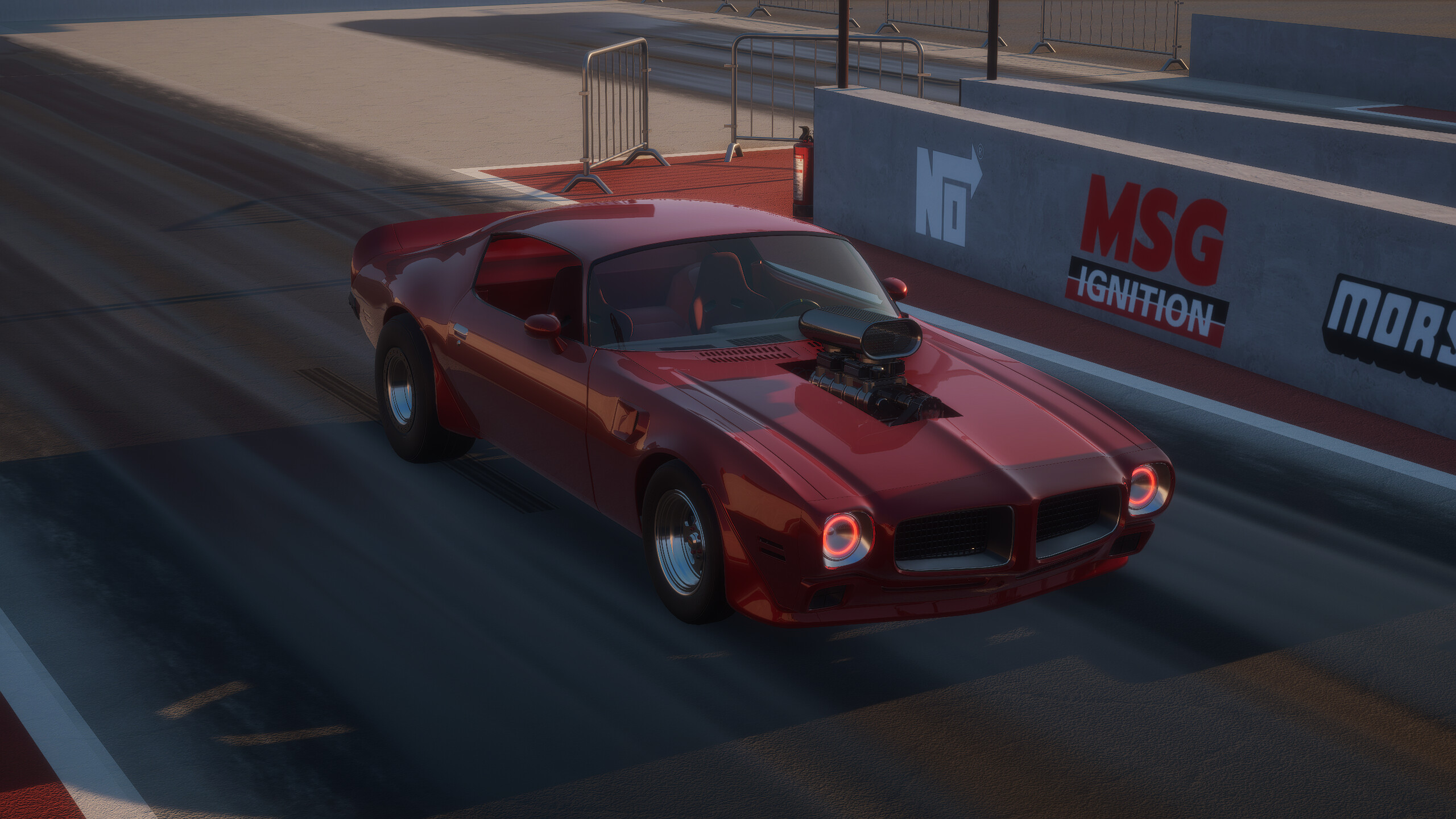
Breakout Garage Supercharger Guide: Maximize Your Engine Power
Learn how to install and tune a Breakout Garage supercharger for peak performance. Discover expert tips for engine swaps, internal upgrades, and drag racing.
Published:
Video Guide
I Put a SUPERCHARGER in My Rusty Car! (Breakout Garage)Table of Contents
Adding a breakout garage supercharger to your ride is the ultimate rite of passage for any grease monkey looking to dominate the drag strip or the road course. In Breakout Garage, shifting from a stock setup to a forced-induction powerhouse transforms your car from a rusty clunker into a high-octane monster, but it is not as simple as just bolting on a blower and hitting the track.
Understanding the mechanics of your engine, the importance of internal components, and the delicate art of fuel tuning is essential for any player. If you are serious about building the fastest machine in Texas, this guide will walk you through the essential steps to master the breakout garage supercharger system and avoid blowing your engine to pieces.
Why Forced Induction is the Game-Changer
In the world of Breakout Garage, power is everything, and nothing provides an immediate, visceral boost like a supercharger. Unlike naturally aspirated engines that rely on standard air intake, a supercharger force-feeds your engine, dramatically increasing horsepower and torque.
The Benefits of a Supercharged Build
Immediate Power Gains: Significant increase in horsepower over stock or naturally aspirated builds.
Drag Strip Dominance: Essential for achieving competitive quarter-mile times and topping the leaderboards.
Engine Versatility: Provides a platform for advanced tuning, allowing you to fine-tune your performance based on race type.
According to player experience shared in community forums, the transition to a supercharged setup is a "trial and error" journey that rewards players who pay attention to internal engine stress and heat management.
Choosing Your Engine and Supercharger Setup
Before you start shopping for blowers, you must evaluate your current block. A standard engine might struggle under the pressure of forced induction. Players often find that upgrading to a billet block is necessary to handle the increased stress of high-boost applications.
Comparison of Induction Components
Component
Function
Performance Impact
6-71 Supercharger
Forced Induction
Massive top-end power increase
Dual Carburetor Plate
Fuel Delivery
Essential for high-boost setups
Billet Block
Engine Structural Integrity
Prevents engine failure at high HP
Forged Pistons
Internal Durability
Lower compression for safer boost
As noted by community reports, don't make the mistake of keeping stock internals when pushing significant boost. Swapping to low-compression forged pistons is a pro tip to prevent your engine from "grenading" during a high-speed run.
Step-by-Step: Installing Your Supercharger
Installing a breakout garage supercharger requires a systematic approach. If you skip a step, such as installing the intake manifold or the necessary drive pulleys, your engine simply won't run.
The Installation Workflow
Strip the Engine: Remove the stock alternator, belts, and intake manifold.
Upgrade Internals: Ensure you have the correct forged connecting rods and low-compression pistons installed in your billet block.
Mount the Intake: Install the blower-compatible intake manifold.
Install the Blower: Bolt on the supercharger unit.
Drive System: Install the appropriate crank pulley and supercharger pulley. Use the correct belt to ensure the blower is spinning.
Carburetion: Secure the dual carburetor plate and air scoop for optimal airflow.
[!TIP]
Don't Forget the Radiator Pipes
Many players lose time troubleshooting because they forget the specific supercharger radiator pipes. Ensure these are connected to maintain engine thermodynamics.
Tuning for Peak Performance
Once the hardware is installed, the real work begins. Tuning your breakout garage supercharger setup is where you separate the casual racers from the pros. You will need to balance your air-fuel ratio (AFR) and ignition timing to prevent overheating.
Recommended Tuning Parameters
Air-Fuel Ratio (AFR): Aim for approximately 7.5 under wide-open throttle (WOT) when running E85 fuel.
Timing: Pull about 1° of timing per PSI of boost to avoid engine knock.
RPM Limit: Set your rev limit carefully; while high RPMs look great on a graph, pushing past the engine's peak torque curve will lead to diminishing returns.
Tuning Strategy
Use E85 fuel for its natural cooling effect, which helps keep intake temperatures low. Always monitor your engine temperature during test runs; if you hear knocking, pull back your timing immediately.
Common Mistakes to Avoid
Even the most experienced builders run into issues when installing a breakout garage supercharger. The most frequent report from the community is the premature failure of transmissions and clutches due to the sudden spike in torque.
Your breakout garage supercharger build is only as good as its ability to put power to the ground. If you are spinning your tires off the line, you are losing valuable seconds.
Lowering your rear tire pressure to around 16 PSI can significantly improve traction on prepped surfaces. Additionally, if your car is pulling to one side, check your suspension components. Worn-out parts will fail quickly under the torque of a supercharged V8.
FAQ: Mastering Your Build
Q: Why does my engine explode after installing a supercharger?
A: You are likely running stock internal parts under too much boost. Switch to forged internals and lower-compression pistons to handle the pressure.
Q: Which supercharger pulley should I choose?
A: It depends on your goal. A higher ratio (like 2:1) will provide more boost and power, but increases the risk of engine failure. Always start conservative and tune upward.
Q: Is a supercharger better than a turbo in Breakout Garage?
A: Both provide excellent power, but superchargers often offer more predictable, linear power delivery, which many players find easier to manage on road courses and during drag launches.
Q: How do I know if my transmission is failing?
A: Listen for audible cues like grinding or watch your gauge; if your gears aren't shifting smoothly or you feel a loss of power, check your clutch and transmission health in the garage.
Building a car in Breakout Garage is a labor of love. Whether you are aiming for that 8-second quarter-mile or just want to cruise with the sound of a whining blower, the breakout garage supercharger is the key to unlocking your vehicle's true potential. Stay patient, keep testing, and happy wrenching!