Breakout Garage Tag Guide: Master the Ultimate Racing Sim
Dive into the Breakout Garage tag system and master this open-world racing simulator. Discover expert tips on car building, engine tuning, and drag racing.
Published:
Table of Contents
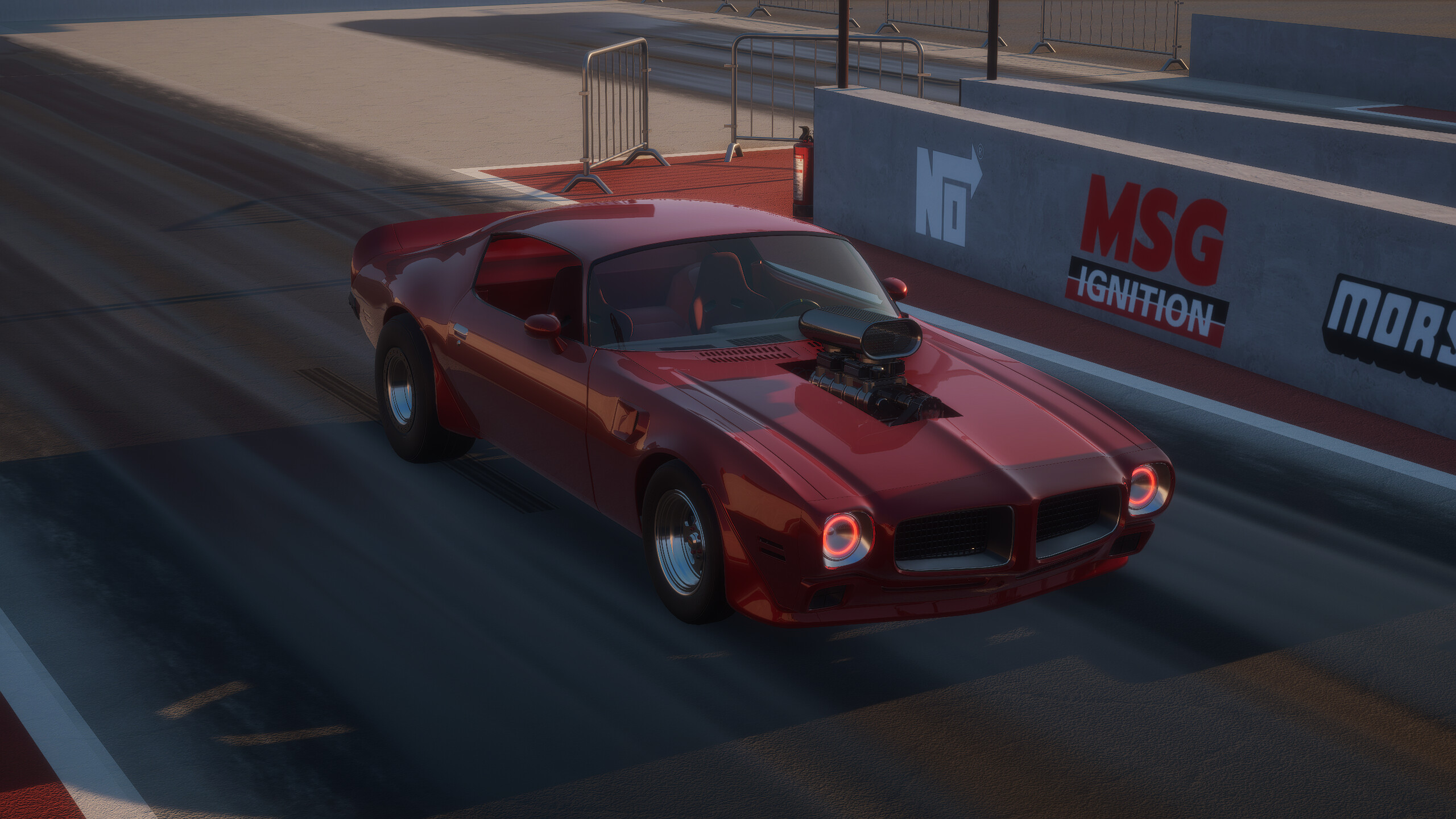
Car culture enthusiasts and racing sim fans are constantly searching for the next deep, mechanical-focused experience. If you have been exploring the Breakout Garage tag on Steam, you know that this title promises more than just high-speed thrills; it offers a complex, simulation-heavy look at automotive engineering. Understanding the Breakout Garage tag is essential for players who want to transition from basic driving to mastering the nuances of Texas-inspired drag racing and street performance.
In this guide, we will break down why this indie gem by Breakout Studio is turning heads and how you can get the most out of your garage-built machines. Whether you are a fan of oval racing or a dedicated drag strip veteran, mastering the mechanics is your path to the winner’s circle.
Understanding the Core Philosophy of Breakout Garage
Unlike arcade racers that prioritize visual spectacle, Breakout Garage focuses on the "garage life" and the mechanical reality of American muscle. The developers have designed a system where every part change—from engine compression ratios to tire fitment—directly impacts your vehicle's physics.
Why Mechanical Depth Matters
In most racing games, an "upgrade" is just a stat boost. In this simulator, if you ignore the thermodynamics of your engine or the aerodynamic drag of your body kit, you will lose, regardless of your horsepower.
System
Impact on Performance
Why It Matters
Engine Compression
High
Increases power but risks engine knock
Aerodynamics
Moderate
Crucial for high-speed drag stability
Tire Fitment
High
Determines traction for launch and drift
Center of Mass
Low/Moderate
Affects cornering and weight transfer
By focusing on these variables, the game forces you to learn real-world mechanics. As noted in community discussions, players who take the time to study the in-game wiki often see a 30% improvement in their quarter-mile times compared to those who just throw on the most expensive parts.
Getting Started: The First Build
When you first dive into the game, the sheer number of options can be overwhelming. The best way to utilize the Breakout Garage tag effectively is to start with a project car from the used dealer.
Steps to Your First Successful Build
Inspection: Always inspect randomly generated used cars for hidden wear or damage.
Engine Choice: Choose one of the three starter engine types based on your goal (Drag vs. Drift).
Basic Tuning: Adjust your tire pressure and ignition timing before hitting the track.
Shakedown: Run a few test laps to identify which parts are causing audible issues like lifter tick.
[!TIP]
Listen to Your Engine
The game features a realistic wear and tear system. If you hear a rod knock or unusual ticking, stop racing immediately! Ignoring these sounds will lead to catastrophic engine failure that costs more to repair than the race winnings.
Advanced Tuning: From Street to Strip
Once you have a functional vehicle, the real fun begins. The tuning menu is where you will spend the majority of your time. If you want to dominate the leaderboards, you need to master the Air-to-Fuel (AFR) ratio and timing.
Tuning Variables and Their Effects
AFR (Air-to-Fuel Ratio): Running too lean can melt your pistons, while running too rich will cause a power-robbing misfire.
Ignition Timing: Advancing your timing can increase torque, but push it too far, and you will encounter engine-destroying detonation.
Boost Management: If you are running forced induction, ensure your cooling system can handle the heat generated by high boost levels.
Community reports suggest that setting up your car for a "no-prep" drag strip requires a much softer suspension setup compared to a prepped track. If you find your car struggling to gain traction at the start, check your suspension stiffness and tire compound.
The Economy of Speed: Restoring and Selling
Not every car you build needs to be a track monster. A significant portion of the game’s depth lies in the economy. Buying a rusted-out shell, restoring it, and selling it for a profit is a core loop that funds your high-end racing projects.
Profitability Strategies
The "Flips": Look for cars with "patina" or minor body rust. These are often undervalued by the game's economy.
Part Swapping: Utilize the engine swap system to put high-performance powerplants into lighter chassis for better power-to-weight ratios.
Delivery Jobs: Use the delivery system to earn steady cash while you wait for parts to be shipped or engines to be built.
Community and Development Roadmap
The developers are very transparent about the game’s Early Access status. By engaging with the community on the official Steam store page, you can influence future updates. The roadmap currently includes more maps, additional aftermarket brands, and expanded career activities.
Upcoming Features to Watch
Expanded Oval Racing: New tracks designed for sustained high-speed turning.
Junkyard Overhaul: More variety in salvageable parts and chassis.
Multiplayer Events: Improved lobby systems for competitive drag racing leagues.
[!WARNING]
Early Access Reality
Remember that Breakout Garage is a work in progress. Expect occasional bugs or UI quirks as the developers iterate on the physics engine. Your feedback on the Discord server is the most effective way to help them polish the experience.
Frequently Asked Questions
Q: Does the Breakout Garage tag mean this game is strictly for drag racing?
A: No. While the Breakout Garage tag is often associated with drag racing due to the deep tuning mechanics, the game also features drift events, time trials, endurance racing, and an open-world exploration mode.
Q: How do I fix the "lifter tick" sound?
A: That sound is an audible indicator of worn engine parts. You need to open your engine, inspect the components, and perform a repair or replacement. Neglecting this will lead to a total engine breakdown during a race.
Q: Is a wheel and shifter setup required?
A: While the game supports wheel and shifter hardware for the most immersive experience, it is fully playable with a controller or keyboard. However, for precise drag racing launches, a wheel setup provides a significant advantage.
Q: Can I share my car builds with other players?
A: Currently, the game focuses on personal builds, but the active community is constantly sharing tuning setups and decal designs on the official Discord and Steam community hubs.