Ultimate Breakout Garage Impala Turbo Build: Dominate the Strip
Discover the ultimate Breakout Garage Impala turbo build guide. Learn how to tune your engine, optimize suspension, and hit record-breaking times on the strip.
Published:
Video Guide
Breakout Garage - We've Done All We Can With The Impala!Table of Contents
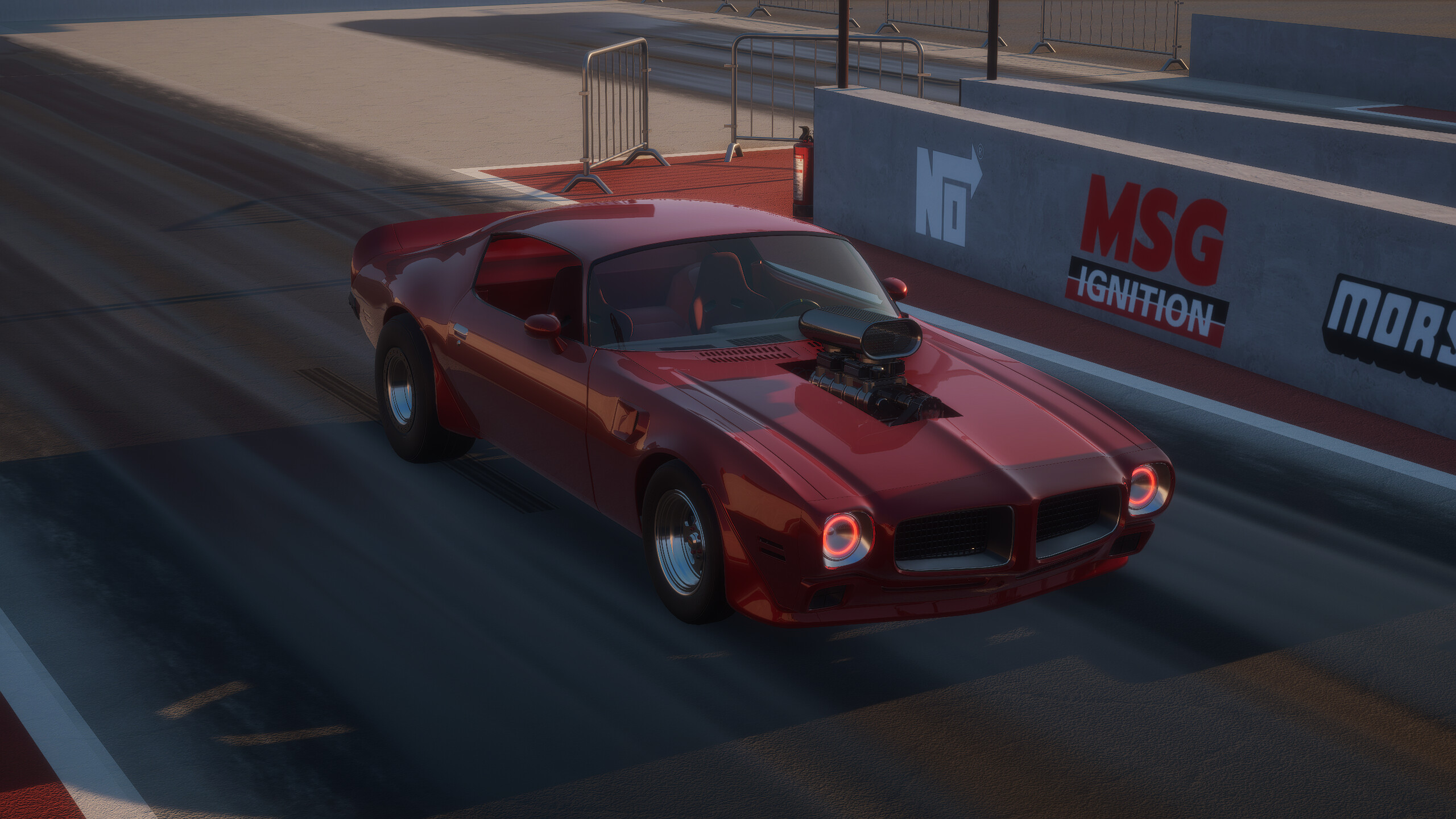
Building the fastest machine in Breakout Garage requires more than just raw horsepower; it demands a strategic balance of weight, traction, and forced induction. If you have been looking for the perfect project, the iconic Impala is a top-tier choice that rewards smart mechanical choices and precise tuning. In this guide, we dive deep into how to engineer a competitive breakout garage impala turbo build that can reliably pull off sub-10-second runs.
Whether you are a newcomer to the drag strip or a veteran of the garage, understanding the synergy between your engine block and induction system is the difference between a mid-pack car and a track monster. Let’s get into the mechanics of building a champion.
Understanding the Impala Platform
The Impala is a heavy, substantial chassis, which often deters casual players who prefer smaller, lightweight vehicles. However, when properly stripped and tuned, its stable wheelbase makes it an excellent platform for high-power drag setups.
Before you start bolting on expensive parts, you need to address the weight. Based on community insights and gameplay testing, the Impala requires aggressive weight reduction to compete at the highest levels.
Component
Removal/Upgrade
Benefit
Interior
Strip all seats & dash
Massive weight savings
Body Panels
Carbon Fiber swap
Reduced curb weight
Glass
Polycarbonate windows
Improved power-to-weight ratio
Front End
Remove stock bumper/grille
Increased airflow/cooling
As many veteran players note, stripping the interior and swapping to carbon fiber exterior panels is not just for aesthetics—it is the foundational step for any serious breakout garage impala turbo build.
Engine Selection: Big Block vs. Small Block
The debate between big block and small block power plants is perpetual in the Breakout Garage community. While big blocks offer massive displacement and torque, they come with a significant weight penalty that hangs over the front axle.
The Small Block Advantage
If you are aiming for a balanced race car, the billet small block is often the superior choice. It provides a better weight distribution, allowing the car to launch with less nose-dive and better traction.
The Big Block Powerhouse
If your goal is absolute top-end speed and you have mastered your suspension, the big block is the way to go. With the right supercharger or turbo setup, reaching 1,200+ horsepower becomes an achievable goal.
Choosing Your Engine
Use the small block if you are still learning the launch mechanics. Switch to the big block only once you have secured adjustable suspension to manage the extra weight.
Advanced Tuning for Turbo Efficiency
A turbo build is only as good as its tune. In Breakout Garage, the game engine responds dynamically to air-fuel ratios, timing, and boost pressure. The most common mistake players make is adding too much air without sufficient fuel to match.
Tuning Checklist
Boost Levels: Start with a 1:1 pulley ratio for reliability.
Fuel Grade: Always use the highest grade fuel available; E85 setups are often necessary for high-boost configurations.
Launch Control: Set your launch RPM between 3,000 and 4,000 RPM to avoid roasting your tires immediately off the line.
Gear Ratios: Taller rear gears (e.g., 3.73 or 3.55) help manage high-torque launches better than 4.11s, which may cause excessive wheel spin.
You can visit the official Breakout Garage Steam page to keep track of the latest patch notes, as tuning parameters are updated frequently.
Suspension and Tire Management
Traction is the primary hurdle for any breakout garage impala turbo build. Even with 1,200 horsepower, if you cannot put the power to the ground, you are just turning your expensive tires into clouds of smoke.
Tire Selection Strategy
Drag Radials: Good for street surfaces but struggle on prepped tracks.
Slicks: Essential for official drag strip competition.
Pressure: Always drop your rear tire pressure to create a larger contact patch during the launch.
Suspension Setup Table
Feature
Setting
Purpose
Front Springs
Stiff
Minimize front-end lift
Rear Springs
Adjustable
Level the vehicle/maximize grip
Ride Height
20-25mm
Lowers center of gravity
Shock Dampening
Firm
Prevents bounce at high speeds
According to popular community discussions, adjusting your spring height is essential to prevent tire rubbing, especially when running the wider, steam-roller-style drag tires.
Common Build Pitfalls
Even with the best parts, players often encounter issues that stall their progress. Here are the most frequent mistakes observed in community reports:
Ignoring the Torque Converter: Putting a stock converter behind a 1,000hp engine will result in massive lag and slow 60-foot times. Upgrade to a version 5 or higher immediately.
Neglecting Brakes: It’s easy to focus on going fast, but you need to stop. If you notice your car drifting into the wall after the finish line, upgrade your calipers and master cylinder.
Over-tuning: Sometimes, less is more. If the engine knocks immediately, you are running too much timing for your compression ratio.
[!WARNING]
Avoid Excessive Rake
While a slight rake looks cool, too much rake shifts the weight balance forward and can kill your launch traction. Aim for a level stance for the best results on the strip.
Developing Your Driving Technique
Having the best breakout garage impala turbo build won't matter if your driving isn't consistent. Launching with a manual transmission requires feeling the "bite" of the clutch, while automatic setups with a trans-brake can offer more consistency for beginners.
If you struggle with manual shifting, practice using the keyboard or controller triggers to feather the throttle. The goal is to keep the RPMs in the power band without breaking traction. As the pros say: "The race is won in the first 60 feet."
Frequently Asked Questions (FAQ)
Q: What is the most important part of a breakout garage impala turbo build?
A: Traction management. You can have 1,500 horsepower, but it is useless without slicks, proper tire pressure, and a suspension setup that keeps the rear end planted.
Q: Should I use an automatic or manual transmission for drag racing?
A: Manual transmissions offer more control, but automatic transmissions with a high-end torque converter are often more consistent for bracket racing.
Q: Why does my Impala keep bouncing at the start line?
A: This is usually caused by tires that are too soft or suspension settings that are too stiff. Try increasing your ride height slightly or switching to a tire with a higher sidewall profile to absorb the shock of the launch.
Q: Can I really run a 9-second quarter mile with this car?
A: Absolutely. With a fully stripped chassis, a forged big block, and a high-boost turbo setup, the Impala is more than capable of breaking into the 9-second range. Focus on your weight reduction and tuning, and you will get there!