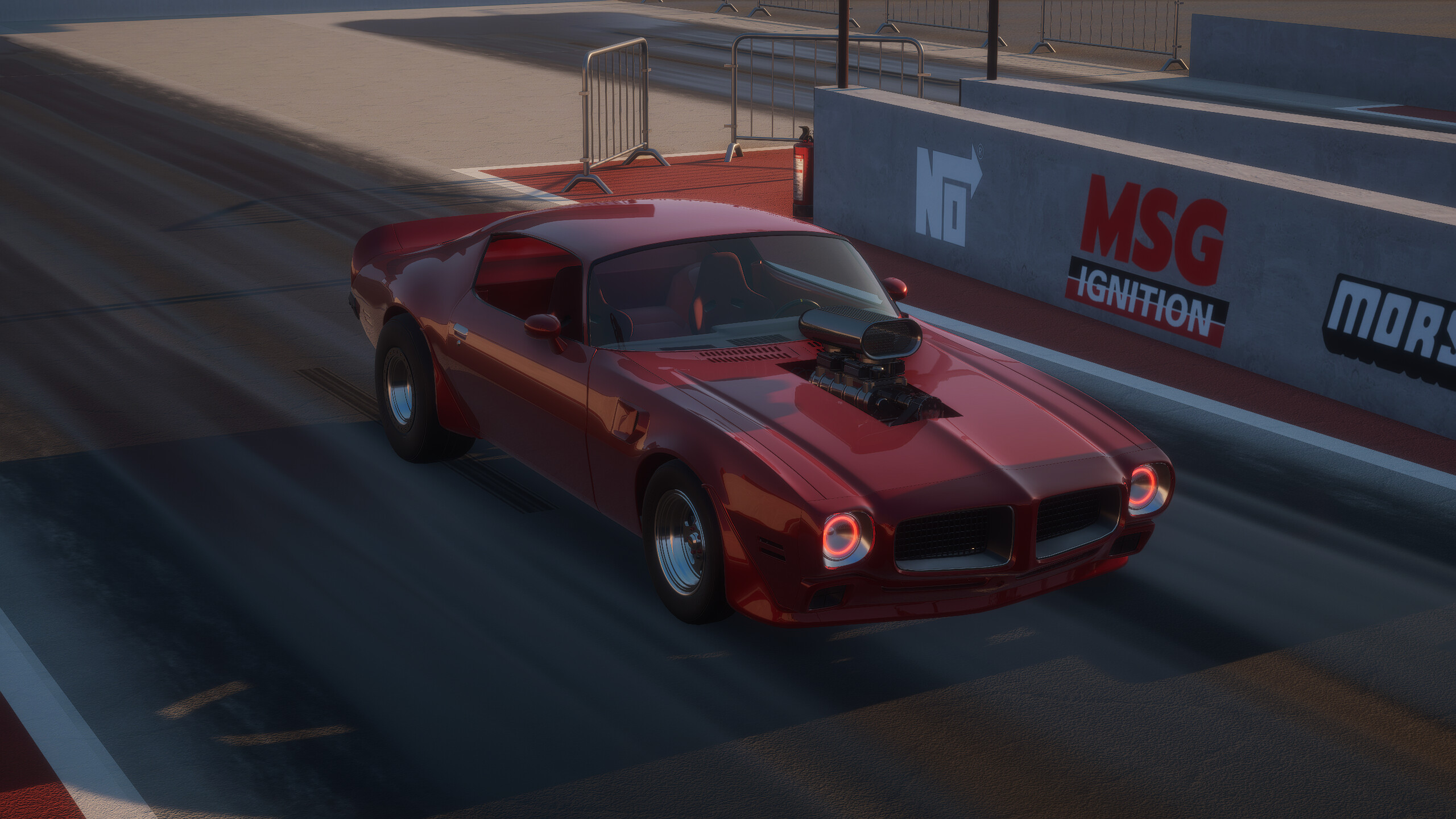
Mastering the Breakout Garage Budget Car Build Guide
Learn how to dominate the track with a strategic Breakout Garage budget car build. Discover tuning tips, engine swaps, and setup secrets for your ride.
Published:
Table of Contents
Building a competitive machine doesn't always require an endless bankroll. In Breakout Garage, mastering a breakout garage budget car build is the ultimate test of your mechanical intuition and tuning precision. By focusing on the fundamentals of weight management, engine efficiency, and suspension geometry, you can transform a humble garage find into a drag strip terror that punches well above its weight class.
Understanding how to execute a breakout garage budget car build is essential because the game emphasizes real-world mechanical choices over simple upgrades. Whether you are wrenching on a classic C10 or fine-tuning an X29, knowing which parts deliver the most "bang for your buck" will be the difference between a podium finish and a disappointing run at the lights.
Selecting Your Foundation: The Best Budget Platforms
Before you start turning wrenches, you must choose a vehicle that offers a high ceiling for performance without a premium entry cost. The game’s roster features several iconic vehicles, but not all are created equal when you are working on a shoestring budget.
Entry-Level Vehicle Comparison
Vehicle
Primary Strength
Best For
Handling Feel
1985 C10
Versatility
Drag/Utility
Stable/Heavy
1970 FB22
Agility
Street/Circuit
Sharp/Responsive
1969 X29
Straight-line
Drag Racing
Aggressive/Raw
The 1985 C10 is a community favorite for a breakout garage budget car build because its body-on-frame platform is incredibly forgiving. According to community reports, the C10’s ability to accept various engine swaps makes it the most cost-effective way to transition from a daily driver to a dedicated drag machine.
Engine Swapping: The Heart of Your Build
Once you have your chassis, the next step in your breakout garage budget car build is selecting an engine that balances power and weight. While big blocks offer massive torque, they can upset the balance of a lighter car.
Engine Performance Profile
Engine
Type
Power Potential
Weight
Ideal Use
B-Block
V8 Big Block
Extremely High
Heavy
Quarter-mile specialist
Small Block Type C
V8 Small Block
High/Balanced
Medium
All-rounder/Street
T-TH Inline 6
I6
Low/Reliable
Light
Economy/Entry-level
"Community experience suggests that the Small Block Type C is the 'sweet spot' for budget builds," notes a veteran player. Its lightweight design allows for better weight distribution, which is crucial when you are trying to maximize traction on a budget-friendly tire setup.
Tuning for the Strip: Getting Traction
A breakout garage budget car build is useless if you cannot put the power to the pavement. Tuning is where you save money by optimizing what you already have rather than buying expensive performance parts.
Key Tuning Focus Areas
Gearing: Adjust your final drive to match your engine's power band. For a budget build, prioritize shorter gears to improve acceleration off the line.
Suspension: Stiffen the rear springs to prevent excessive squat, which can rob you of precious ET (elapsed time).
Tire Pressure: Lower your rear tire pressure to increase the contact patch during the launch.
Always remember that tuning is an iterative process. If you find your car struggling with wheel spin, don't immediately replace the tires. Try adjusting your ignition timing or gearing first; these manual adjustments are free and part of the core gameplay loop.
Avoiding Common Pitfalls
New players often fall into the trap of over-investing in high-end aesthetics before their mechanical systems are sorted. A breakout garage budget car build should prioritize function over form.
Avoid the "Power-Only" Trap
Adding a massive engine to a stock suspension setup will lead to uncontrollable wheel hop and broken drivetrain components. Always upgrade your suspension and cooling systems alongside your power increases.
Check out the official Breakout Garage Steam Store Page to keep up with the latest updates and developer tuning tips. The developers at Breakout Studio frequently update the mechanical behavior of engines, so keep your build flexible.
Essential Maintenance and Troubleshooting
Even a budget build requires maintenance. If your engine is misfiring or your transmission is slipping, you are losing performance. Use the game's diagnostic tools to check your engine health regularly.
Troubleshooting Checklist
Check Carburetor Settings: Ensure your air-fuel ratio is optimal for the current track temperature.
Inspect Drivetrain: Worn parts lead to power loss. Replace fluids and worn components before heading to the drag strip.
Monitor Temperatures: Overheating is the silent killer of budget builds. Ensure your radiator is sufficient for your engine's output.
By mastering these diagnostic steps, you ensure that your breakout garage budget car build remains competitive throughout the entire season.
FAQ: Frequently Asked Questions
Q: What is the most important part of a breakout garage budget car build?
A: Weight distribution and tire traction. You can have all the horsepower in the world, but if you can't put it down, you won't win.
Q: Can I use the T-TH Inline 6 for drag racing?
A: While it is designed for efficiency, with enough internal modifications and weight reduction, it can be a fun "sleeper" build, though it won't beat high-end V8s.
Q: Where can I find more specific tuning data?
A: You can visit the Breakout Garage Wiki for detailed engine specifications and community-verified tuning setups for each car.
Q: How do I know if my budget build is ready for competitive racing?
A: Test it on the street first. If you can consistently hit your target 60-foot times without breaking traction, your build is ready for the official strip.