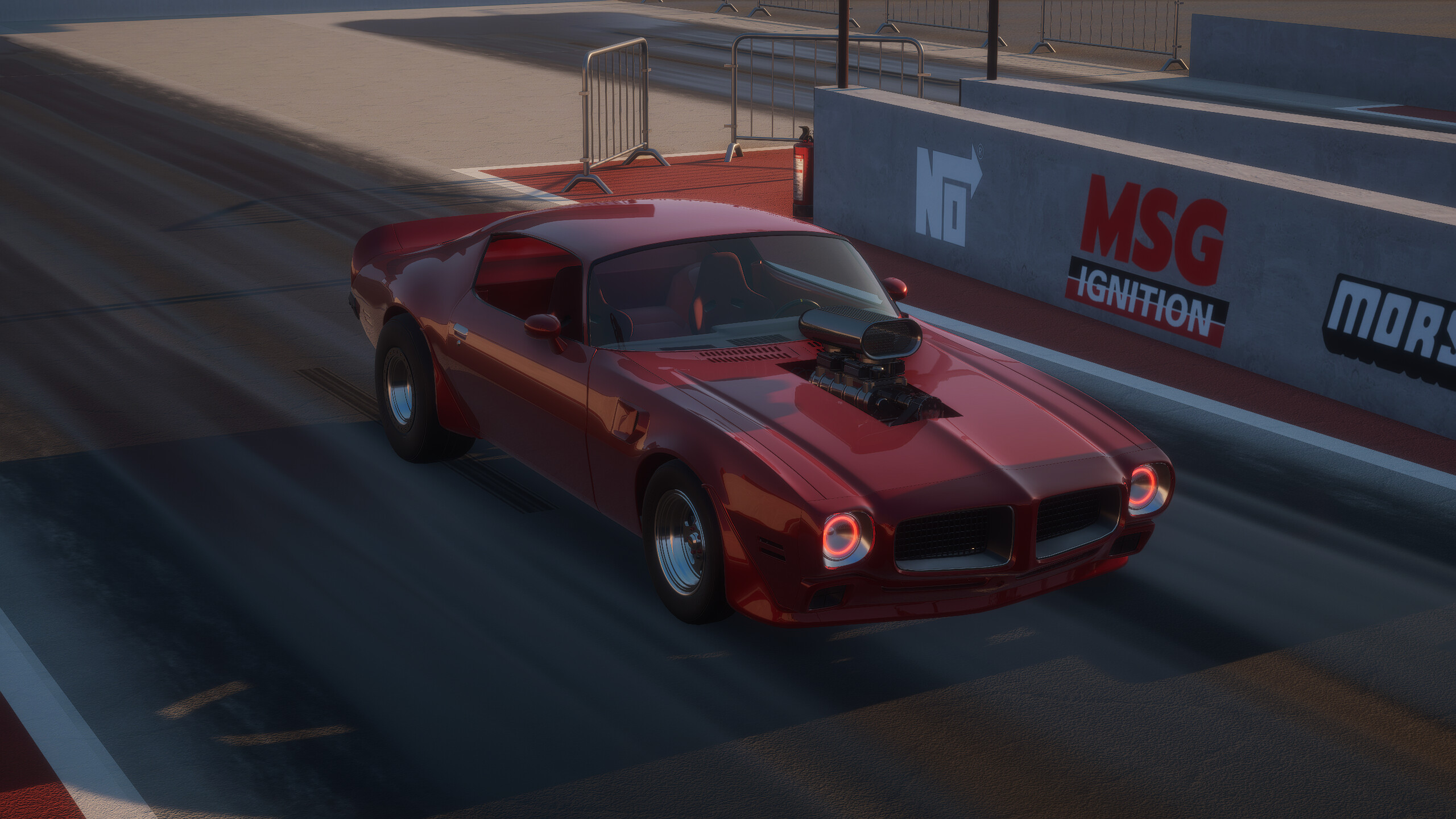
Breakout Garage Tips and Tricks: Build a 7-Second Drag Car
Master Breakout Garage with our expert tips and tricks. Learn the best tuning strategies, money-making methods, and car builds to dominate the track.
Published:
Video Guide
BREAKOUT GARAGE: My LOW 7-Second Drag Tune! 🏁 1/4 Mile Setup & Tuning GuideTable of Contents
Ready to transform your garage into a high-performance drag racing powerhouse? Mastering Breakout Garage tips and tricks is the fastest way to stop struggling with sluggish stock vehicles and start climbing the leaderboards.
Whether you are a newcomer to this open-world simulator or a veteran builder looking for that extra millisecond, understanding the intricate relationship between engine thermodynamics, weight reduction, and tire physics is crucial. By optimizing your setup based on proven strategies, you can transition from a beginner delivery driver to a competitive drag racer effectively.
The Foundation of a 7-Second Drag Build
Building a competitive car requires more than just high-horsepower components; it is about holistic optimization. To consistently run in the low 7-second range, you need to shed every gram of unnecessary weight.
According to veteran players, the "crash diet" approach is essential. Remove non-essential parts like rear bumpers, lighting assemblies, and interior dashboards. Even seemingly minor components like door handles and wipers add up to significant weight penalties. A fully gutted car allows for better power-to-weight ratios, which is the cornerstone of effective drag performance.
Essential Weight Reduction Checklist
Component
Status
Benefit
Rear Bumper
Remove
Significant weight loss
Interior Dashboard
Remove
Minimalist racing layout
AC/Radiator Fan
Remove
Reduce drag/weight
Lights
Remove
Aerodynamic/Weight gains
Focus on the "Gutted" Aesthetic
Always prioritize the lightest steering wheel and driver seat available. Every pound counts when you are aiming for that perfect reaction time on the strip.
Mastering Suspension and Drivetrain Tuning
Once your car is lightened, your focus must shift to how that power hits the pavement. Many players overlook suspension, yet it is the primary factor in preventing wheelies and ensuring consistent launches.
For a high-end drag setup, use a stiff spring rate (around 35,000) and keep the ride height at 1. The goal is to minimize chassis flex during the launch. You should also utilize a differential ratio of approximately 4.11:1. Remember, your tire pressure is a variable that requires track-side adjustment—don’t leave your rears at the factory setting.
Recommended Tuning Parameters
Setting
Target Value/Type
Purpose
Rear Spring Rate
35,000
Launch stability
Tire Pressure (Rear)
16 PSI
Optimal grip on drag strip
Tire Pressure (Front)
45 PSI
Rolling resistance reduction
Diff Ratio
4.11:1
Balanced acceleration
Proven Money-Making Methods in Breakout Garage
Grinding for cash can be slow if you stick to deliveries. While the postal service is reliable, it is widely regarded as the least efficient way to grow your bank account. Instead, look toward the motorsport complex for higher payouts.
Comparison of Revenue Streams
Activity
Efficiency
Potential Payout
Delivery Jobs
Low
Variable / Time-consuming
Drag Racing
Medium
High risk/reward
Oval Time Trials
High
Consistent $/min
Road Course Trials
Very High
Excellent for quick cash
Community reports suggest that oval time trials and road course challenges provide the most consistent income. If you can beat the lap time targets, you can often secure thousands of dollars in minutes, allowing you to fund those expensive engine swaps and high-performance parts.
Engine Tuning and Thermodynamics
The engine bay is where the real magic happens. Achieving high horsepower is useless if your engine overheats or misfires immediately. Use high-compression pistons and ensure your ignition system—specifically the Box 2 with step—is dialed in correctly.
"Community reports" emphasize that E85 fuel is often the preferred choice for tuners seeking maximum boost stability. If you experience "engine knock," it is likely a symptom of improper timing or an incorrect air-to-fuel ratio (AFR). Always ensure your engine health is at 99% before heading to the drag strip, as worn components will drastically reduce your potential.
Troubleshooting Common Launch Issues
Drag racing in this simulator is not just about the build; it is about the "stage." A common frustration reported by the community is the opponent’s failure to stage correctly. If your opponent gets stuck at the pre-stage, you may need to nudge them gently with your vehicle.
Be careful not to push them too far, or you will void the race. Practice your timing with the lights—consistent reaction times are what separate the top leaderboard entries from everyone else. For those who want to see the game's full potential, visit the official Breakout Garage Steam Store Page for ongoing update news and community discussions.
FAQ: Frequently Asked Questions
Q: What are the most effective Breakout Garage tips and tricks for beginners?
A: Focus on weight reduction first. A lighter, stock-powered car will often outperform a heavy, high-HP car. Prioritize earning money through time trials to upgrade your engine later.
Q: Why does my car keep misfiring during drag races?
A: Misfires are often caused by incorrect ignition timing or incorrect fuel/air mixtures for the fuel type you are using. Check your distributor settings and ensure you have high-quality parts installed.
Q: Is there a fast way to get money without grinding?
A: While mods exist, the most effective "legit" way to earn money is through the motorsport complex time trials, which offer better payouts per minute compared to delivery jobs.
Q: How do I fix the "engine knock" error?
A: Engine knock usually indicates that your engine is under too much load for the current tune. Try adjusting your AFR or reducing the boost pressure until you find a balance that your cooling system can handle.