Breakout Garage Bosses Guide: Master the Drag Strip Today
Learn how to defeat Breakout Garage bosses with expert tuning tips. Discover the ultimate car builds, engine settings, and strategies to dominate the leaderboards.
Published:
Video Guide
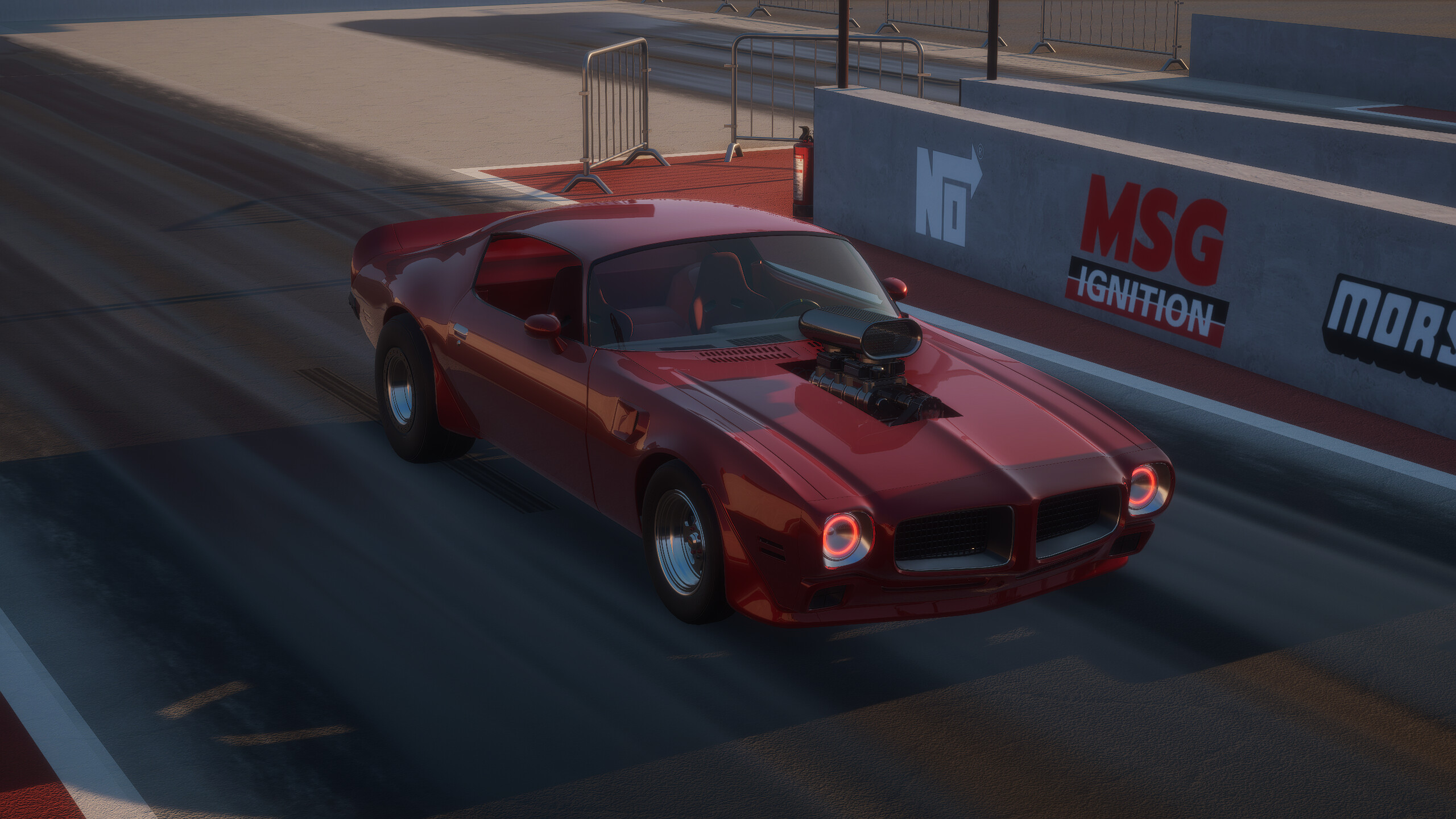
How to Beat EVERY Boss in Breakout Garage! 🔥 7.4s FB22 Firebird/TA Build & TuneTable of Contents
Racing in Breakout Garage isn't just about slamming the pedal to the floor; it is a calculated mechanical science. If you have been struggling to climb the ranks or finding it impossible to topple the toughest breakout garage bosses, you are certainly not alone in this demanding early-access world.
Mastering the drag strip requires a deep understanding of your machine. Whether you are aiming for that sub-8-second quarter-mile run or trying to outrun rival bosses on the streets of Texas, this guide provides the technical breakdown you need to tune your way to victory.
Why Tuning Matters in Breakout Garage
Unlike arcade racers, this game demands precision. Every component, from your choice of fuel to the subtle adjustment of your distributor timing, influences your performance. If your vehicle is not optimized, you will hit a performance wall quickly.
The breakout garage bosses act as gear checks. They force you to abandon stock configurations and embrace the complexities of automotive engineering. Understanding the "why" behind your build is the only way to ensure your engine doesn't knock or misfire when the lights go green.
The Foundation: Building a Competitive Drag Car
To consistently beat high-level competition, you need a platform that is stripped of excess weight. According to experienced racers in the community, removing non-essential interior parts—like carpets, dashboards, and headliners—is the first step toward reducing your ET (Elapsed Time).
Component Category
Recommended Upgrade
Reason for Selection
Windows
Polycarbonate
Minimizes overall vehicle weight
Bodywork
Carbon Fiber Parts
Significant weight reduction over stock steel
Tires
Drag Radials (e.g., 395/45)
Maximizes contact patch and traction
Transmission
V2 Automatic
Optimal shifting for drag-specific power bands
Why Weight Reduction is King
In drag racing, every pound shaved off the curb weight improves your power-to-weight ratio. As community reports suggest, even minor adjustments to your front and rear splitters can change your car’s aerodynamics, though the most significant gains come from replacing heavy steel components with carbon fiber alternatives.
Fine-Tuning Your Engine and Drivetrain
Even with the perfect chassis, your engine must be dialed in to generate maximum horsepower. When dealing with forced induction, particularly superchargers, heat and air-fuel ratios (AFR) are your biggest enemies.
Optimizing Engine Power
For high-output builds, running E85 fuel generally provides better performance than standard 93 octane, provided your carburetor and ignition timing are correctly adjusted to support the change in fuel composition.
Mechanical Tuning Breakdown
When adjusting your distributor and carburetor, small increments matter. Here is a baseline range for a competitive high-performance build:
Setting
Suggested Range
Impact on Performance
Idle AFR
9.5 - 9.8
Ensures stable idle without flooding
Full Throttle AFR
7.0 - 7.5
Prevents knocking under high load
Initial Advance
20° - 22°
Affects throttle response and launch
Mechanical Adv. RPM
3,000 - 3,500
Determines the power curve peak
Advanced Strategies for Beating Bosses
If you find yourself stuck, it is often due to a failure in power delivery or traction. Community players often report that the most common mistake is failing to balance the supercharger pulley ratio with the engine's RPM limit. If your boost is too high for your current timing, you will see immediate engine knock, which ruins your launch.
Overcoming Common Drag Strip Bugs
Early access games come with their own challenges. If you encounter issues where your opponent refuses to stage at the line, try gently nudging their car to trigger the sensor. This "community-tested" fix is a reliable way to bypass the current AI pathing bugs until the developers release a hotfix.
Your suspension isn't just for cornering; it’s for weight transfer. A stiff rear setup with high spring rates (e.g., 35,000+) helps prevent the car from squatting too much during launch, allowing for a cleaner transition of power to the rear wheels.
Damper Settings: Keep rear dampers stiff to minimize oscillation.
Ride Height: Lowering your ride height reduces the center of gravity, significantly improving stability at speeds exceeding 150 mph.
Tire Pressure: Lowering rear pressure to 16 PSI creates a wider "wrinkle" in the tire sidewall, which is crucial for gaining grip on prepped surfaces.
FAQ: Frequently Asked Questions
Q: How do I fix the "Engine Knock" error when accelerating?
A: This usually occurs due to incorrect timing or too much boost. Lower your timing per PSI of boost and ensure your AFR at full throttle is rich enough to prevent pre-ignition.
Q: Are there specific breakout garage bosses that are harder than others?
A: Yes, the difficulty scales with the region. Always check your dyno results before challenging a boss to ensure your HP/Torque figures exceed their predicted performance.
Q: What is the best way to make money to fund these builds?
A: Focus on delivery jobs to build your bankroll. As you level up your delivery status, your payouts increase, allowing you to afford the high-end forged internal parts needed to crush the competition.
Q: Can I use different engine swaps?
A: Absolutely. However, ensure that your exhaust headers match the engine type. Players have noted that mismatched headers can cause the engine to run as if it has no exhaust at all, significantly hurting performance.
By focusing on these mechanical fundamentals and keeping your car as light as possible, you will be well on your way to becoming the most feared racer in Breakout Garage. Keep experimenting with your tune, and don't be afraid to push your engine to the limits!