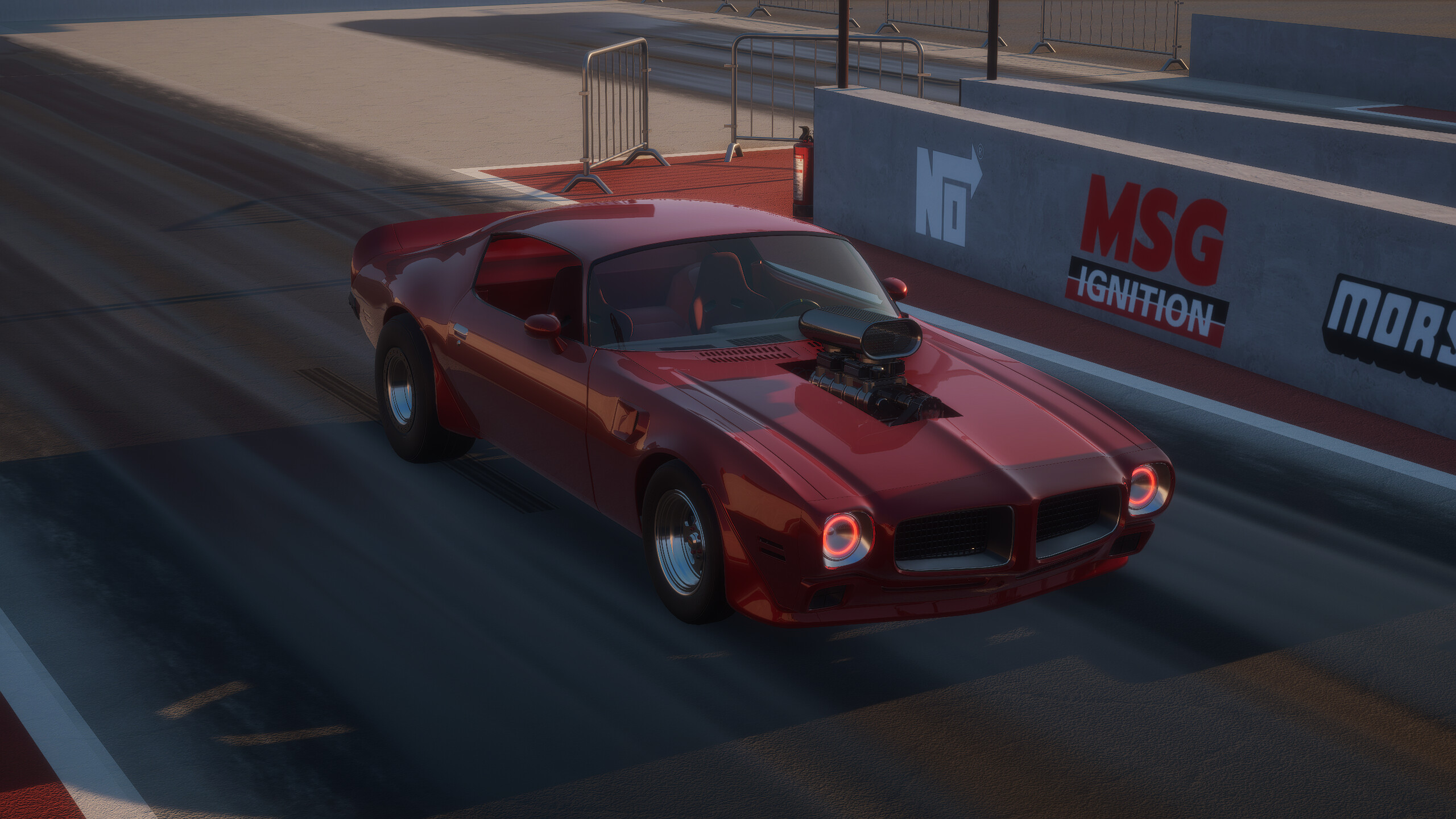
Master the Breakout Garage Impala build with our expert guide. Discover the best tuning tips, engine mods, and weight reduction tactics for faster lap times.
Published:
Video Guide
BREAKOUT GARAGE Fresh Start! I Bought a 1967 Chevy Impala! 🔥 | Car Building & Racing SimulatorTable of Contents
Building a high-performance machine in the world of Breakout Garage is a journey of trial and error, particularly when you take on a classic project like the Impala. Whether you are a newcomer to the garage or a veteran mechanic, mastering the breakout garage impala build is a rite of passage that tests your understanding of weight distribution, power-to-weight ratios, and precision tuning.
In this guide, we break down exactly how to transform this bulky, iconic chassis into a track-ready beast. From selecting the right drivetrain components to mastering the nuances of E85 tuning, this breakout garage impala build strategy will help you shave seconds off your lap times and dominate the competition on the track.
Understanding the Chassis: Why Weight is Your Enemy
The Impala is a legendary car, but in a competitive racing simulator, it is notoriously heavy. If you want to achieve professional-grade results, you must strip the car down to its bare essentials. Players often struggle with the Impala because they try to keep too many factory parts, which adds unnecessary mass that saps your acceleration.
According to player experience and community reports, the first step in any successful build is aggressive weight reduction. You need to remove the heavy stock interior, bumpers, and factory glass. Replacing these with carbon fiber counterparts is not just for aesthetics; it is a mechanical necessity.
Essential Weight Reduction Checklist
Part Group
Modification
Benefit
Interior
Remove dash, carpet, headliner
Significant weight savings
Exterior
Install carbon fiber doors/trunk
Lower center of gravity
Glass
Replace with polycarbonate
Massive reduction in curb weight
Trim
Remove moldings/grille
Improves aerodynamics/airflow
Engine Performance: The Heart of the Beast
Once the chassis is lightened, the power plant becomes your next focal point. Many players ask whether they should stick with the small block or jump to a big block. Based on our analysis, sticking with the small block—especially a custom-built billet engine—is often superior for this car because of the significant weight penalty of the big block.
Small Block Efficiency
Using a small block engine saves approximately 100 pounds over the front axle compared to a big block. This improves turn-in response and reduces understeer during high-speed cornering.
To maximize your breakout garage impala build, you should focus on forced induction and fuel optimization. Running E85 is the industry standard for high-horsepower setups in the game. It allows for more aggressive timing, which helps you break past the 800-horsepower barrier without destroying your engine components.
Advanced Suspension and Tire Tuning
A car with 800+ horsepower is useless if it cannot put that power to the ground. Our community research highlights that tire choice and suspension geometry are the primary reasons players fail to hit their target times. When setting up your suspension, you want a balance that prevents excessive squat while maintaining enough grip for traction.
Recommended Suspension Settings
Component
Setting/Choice
Why?
Front Shocks
Adjustable (Mid-stiffness)
Better corner entry control
Rear Springs
Lowered (28-30 height)
Keeps the center of gravity low
Tire Type
Semi-slicks or Drag Radials
Essential for off-the-line bite
Wheel Spacers
20-40mm
Wider track width for stability
One common mistake is relying on automatic transmissions for racing. While they are easier to manage, manual gearboxes in this game provide better control over engine power, allowing you to avoid the "tire roasting" issue that plagues automatic setups.
From Garage to Drag Strip: Pro Tips
You have built the car, but now you need to run it. The breakout garage impala build is not just about the parts; it is about how you drive it. Mastering the launch control RPM is critical. If you launch too high, you will simply spin the tires and waste time.
If you are struggling to find the right tune, check out the official Breakout Garage Steam Store Page for community discussions on the latest patches and vehicle physics updates. As the game evolves, mechanics like tire flex and heat modeling become more realistic, meaning your tune today might need adjustment tomorrow.
Common Tuning Errors
Over-inflating tires: Keep tire pressure relatively low for better contact patch during launches.
Neglecting Gearing: Running standard rear gears might not allow you to reach peak power in the top end. Consider a 3.7 or 4.1 final drive depending on your torque curve.
Improper Airflow: Don't let your car overheat; remove unnecessary front-end parts to ensure the engine gets maximum airflow during long track runs.
Mastering the Mechanics of Winning
Ultimately, the goal of your breakout garage impala build is consistency. A 7-second pass is impressive, but a car that runs 7.5s every single time is more valuable for grinding currency. Focus on fine-tuning your ignition advance and AFR (Air-Fuel Ratio) under full throttle. If the car feels sluggish, check your timing per PSI of boost—this is often where hidden performance is trapped.
As you progress through the game, do not be afraid to switch chassis if the Impala hits a performance ceiling. However, the lessons you learn building this car—how to strip weight, how to adjust suspension, and how to tune an engine—will translate perfectly to any other vehicle in your garage.
Frequently Asked Questions (FAQ)
Q: Can I use an automatic transmission for my breakout garage impala build?
A: While you can, it is generally discouraged for top-tier racing. The manual transmission allows for better traction control and power modulation, which is essential for a car with this much power.
Q: Is E85 worth the extra effort in the game?
A: Absolutely. Switching to E85 allows for significantly higher power outputs compared to standard fuel, provided you tune your carburetors and ignition timing to match the fuel's properties.
Q: Why does my car bounce around so much on the track?
A: This usually indicates that your suspension is too soft or your tire pressure is too high. Ensure you are using adjustable shocks and verify that your spring rates are set appropriately for the car's current weight.
Q: What is the most important part of the breakout garage impala build?
A: Weight reduction. Because the Impala starts as a heavy vehicle, removing non-essential parts and using lightweight carbon fiber components will yield the highest performance gains per dollar spent.