Breakout Garage Camshaft Guide: Optimize Your Engine Power
Master the Breakout Garage camshaft upgrades to boost your engine's performance. Learn how to pick the right cam and tune for maximum horsepower.
Published:
Video Guide
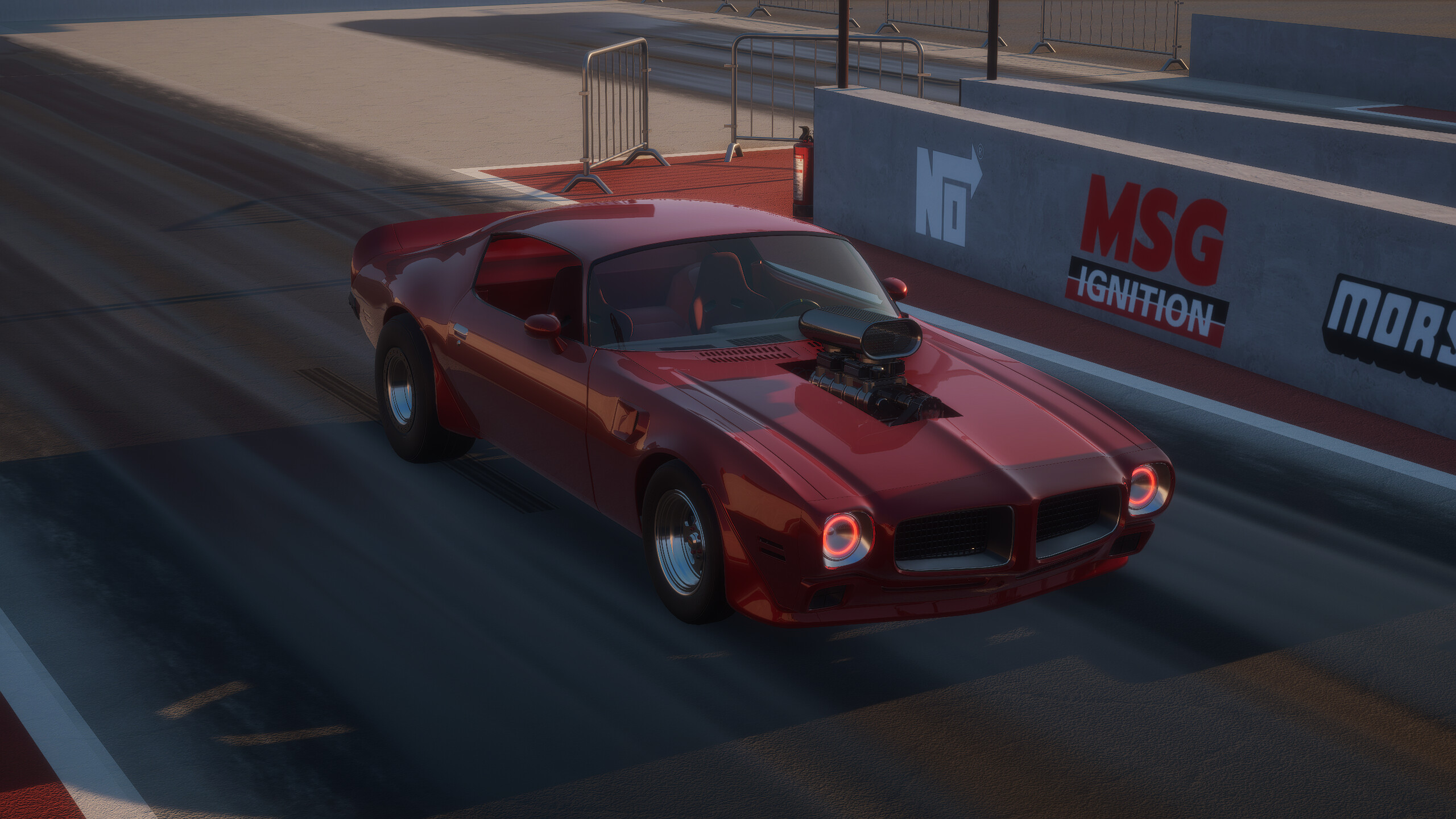
MY SQUAREBODY IS MAKING OVER 500HP WITH NEW ENGINE BLOCK AND CAM IN BREAKOUT GARAGE!!Table of Contents
Choosing the right breakout garage camshaft is the ultimate game-changer for players looking to dominate the drag strip and climb the leaderboard. If your vehicle feels sluggish off the line or lacks the top-end pull needed to cross the finish line first, your engine’s internal timing is likely the culprit.
In Breakout Garage, the mechanics are deeply realistic, meaning a simple part swap isn't enough; you need to understand how your engine breathes. By selecting the correct camshaft profile, you can shift your power band to suit your specific build, whether you are aiming for explosive street-drag launches or consistent high-speed performance on the oval track.
Why Camshaft Selection Matters in Breakout Garage
In this simulator, your engine isn't just a static icon—it is a complex machine where airflow, compression, and mechanical timing dictate your speed. The breakout garage camshaft acts as the heartbeat of your engine, determining when your valves open and close.
If you pair a high-RPM camshaft with a stock transmission or a low-stall torque converter, you will experience "power lag," where the engine struggles to find its rhythm. Conversely, matching the right cam with high-compression pistons and a forged crankshaft allows you to push your build to its thermodynamic limits.
Engine Build Components Checklist
Component
Role
Performance Impact
Camshaft
Valve Timing
Determines the RPM power band
Pistons
Compression
Increases thermal efficiency
Crankshaft
Rotation
Handles higher torque loads
Valvetrain
Airflow
Ensures sustained high-RPM power
Choosing Between High RPM and Street Cams
Selecting your cam is about defining your vehicle's identity. For most players, the decision comes down to the intended use of the car. According to community experiences, players often struggle with "engine knock" when they upgrade the camshaft without adjusting the rest of the drivetrain.
Street-Focused Builds
If you are running in street drag events where the race is short and explosive, you need a camshaft that provides immediate torque at lower RPMs.
Benefits: Faster off-the-line reaction time.
Requirements: Stiffer valve springs and a standard-ratio differential.
High-RPM Drag Builds
For professional drag strip setups, high-RPM cams are non-negotiable. These allow the engine to sustain power well past 6,000 RPM, which is crucial for achieving sub-12-second quarter-mile times.
Warning: Always monitor your RPM limiters to prevent internal engine failure.
[!TIP]
Pro-Tuning Advice
After installing a new camshaft, always re-tune your transmission shift points. If your cam peaks at 6,500 RPM, ensure your transmission is set to shift at 6,000–6,300 RPM to keep the engine in the "sweet spot" during the entire pull.
The Science of Engine Tuning and Airflow
Once the new cam is installed, you are only halfway there. Breakout Garage simulates complex thermodynamics, meaning that air-to-fuel ratios and timing must be adjusted to account for the new airflow characteristics of the camshaft.
Step-by-Step Tuning Process
Install the Cam: Choose the appropriate profile from the garage shop menu.
Verify Internals: Check your crank bearings and valve lifters; high-RPM builds increase wear and tear significantly.
Adjust Timing: Open the tuning menu to modify your ignition timing. High-RPM cams often require slightly advanced timing to burn fuel efficiently at high speeds.
Dyno Test: Always perform a dyno run before heading to the track to verify your torque and horsepower curves.
Tuning Step
Goal
Why it works
Valve Timing
Optimize Airflow
Maximizes cylinder fill rates
A/F Ratio
Fuel Efficiency
Prevents detonation during high boost
Shift Points
Power Band Usage
Keeps engine in peak HP range
Troubleshooting Common Build Issues
Many players report "ticking" or "knocking" sounds after major engine overhauls. This is usually not a bug, but a result of mismatched parts or worn components.
Common Pitfalls
Lack of Crank Bearings: Installing a high-performance block without new, high-quality bearings will cause an immediate engine knock.
Transmission Mismatch: Trying to use a stock transmission with a high-torque, high-cam engine will lead to a destroyed clutch.
Cooling Deficits: Increased power creates increased heat. If you haven't upgraded your radiator, your engine efficiency will drop mid-race.
According to official Breakout Garage developer updates, the game tracks wear on every individual part. If your engine is knocking, check your parts health in the inspection view. Even a high-end camshaft will fail to perform if your valve train components are at 50% health or lower.
Advanced Strategies for Competitive Racing
To truly compete, you must treat your car as a balanced system. The camshaft dictates how much air you bring in, but the exhaust and rear-end gears determine how you put that power to the ground.
Gear Ratio vs. Camshaft RPM
If you are running a high-RPM cam, you need a rear-end gear ratio that allows the engine to rev freely. Many top-tier players use a 4.11 limited-slip differential to ensure that the power generated by the high-RPM cam isn't wasted by a sluggish takeoff.
The "Money Bath" Strategy
We all want the best parts, but they are expensive. Players recommend winning smaller, lower-stakes races to fund your camshaft upgrade rather than betting everything at once. Use your winnings to systematically upgrade from the block to the cam, and finally to the differential. This prevents the "financial crash" that happens when you buy a expensive part but forget the secondary components like the radiator or clutch.
Community Insights and Player Feedback
The community remains the best source of knowledge for Breakout Garage. Many players have shared their setups for various engine types, confirming that the "350 challenge" builds are currently the most popular for competitive players.
[!SUMMARY]
Quick Performance Guide
Low RPM Cam: Best for 1/8 mile street racing.
High RPM Cam: Necessary for 1/4 mile official drag strips.
Maintenance: Always check bearings and lifters after a cam swap.
Balance: Pair every engine upgrade with a transmission and differential adjustment.
Frequently Asked Questions
What is the best breakout garage camshaft for drag racing?
The high-RPM camshaft is the gold standard for drag racing in Breakout Garage. It shifts the power curve upward, allowing your engine to push more horsepower at higher revolutions, which is essential for low quarter-mile times.
Why does my engine make a knocking sound after a cam install?
Engine knocking usually indicates worn-out bearings or mismatched internals. Ensure you have installed new, high-quality crankshaft bearings and that your engine block is fully compatible with the new cam.
Should I tune the transmission after changing the camshaft?
Yes, absolutely. Changing the cam alters your peak horsepower RPM. If you don't adjust your transmission shift points to align with this new peak, your car will shift too early or too late, significantly reducing your acceleration.
Where can I find more help with advanced tuning?
You can visit the official Breakout Garage Steam page to access community guides and join the official Discord, where top mechanics share their dyno results and tuning secrets.