Struggling with Breakout Garage engine knocking? Discover how to diagnose, tune, and fix your engine for peak performance in this complete tuning guide.
Published:
Video Guide
Breakout Garage 2026 09 07 X29 Engine KnockingTable of Contents
Hearing that dreaded clunking sound coming from your engine bay is a rite of passage in the world of vehicle simulation. If you are experiencing breakout garage engine knocking, you are likely dealing with a mixture of improper timing, incorrect air-fuel ratios, or mechanical wear and tear that demands your immediate attention. In a game as deep and unforgiving as Breakout Garage, understanding the relationship between your engine's internal components is the difference between a record-breaking pass and a blown block.
This guide will walk you through the essential diagnostic steps, the science behind the "knock," and the practical tuning adjustments you need to make to keep your ride running smooth. Whether you are a newcomer or an aspiring drag racer, mastering your engine’s vitals is key to dominating the official Steam community leaderboards.
Understanding Engine Knock in Breakout Garage
Engine knock, or detonation, typically signals that the fuel-air mixture is igniting prematurely or inconsistently within the cylinder. In Breakout Garage, this isn't just a sound effect; it is a direct consequence of your engine simulation parameters. According to community reports, engine sounds like "lifter tick" or "rod knock" are integrated into the wear-and-tear system, meaning that if you ignore these sounds, you are literally throwing away horsepower and durability.
Why does this happen? The most common culprits are:
Aggressive Timing: Advancing your spark timing too far causes the mixture to ignite before the piston reaches the optimal position.
Lean Air-Fuel Ratios (AFR): Running an engine too lean increases combustion chamber temperatures, leading to knocking.
Fuel Octane Mismatch: Running high-compression setups on low-octane fuel will trigger instant detonation.
Mechanical Wear: Damaged internal parts, such as worn rods or bearings, will produce audible knocking regardless of your tune.
Diagnostic Workflow: How to Pinpoint the Issue
Before you start turning screws, you need to identify where the noise originates. Breakout Garage provides a robust in-game engine diagnostics menu that allows you to monitor your engine’s health in real-time.
Step-by-Step Diagnostic Routine
Diagnostic Phase
Action
Purpose
Inspect Audio
Listen closely at idle
Differentiates between rod knock (deep) and timing ping (metallic).
Check Dyno
Observe power curves
A dip in torque or sudden power loss often correlates with detonation.
Monitor AFR
Scan gauges
Ensures your fuel mix is appropriate for your current boost levels.
Review Wear
Open parts menu
Identifies if an actual component has failed or requires a repair.
If the engine is knocking at high RPMs, your timing is likely the primary suspect. If it occurs at idle, you may be dealing with a mismanaged idle AFR or physical mechanical wear.
Tuning for Power Without the Ping
Once you have confirmed that your engine is physically intact, it is time to optimize your tune. Many players fall into the trap of simply maxing out every slider, which is a recipe for disaster. The game’s engine simulation takes into account compression ratio, displacement, and inertia.
Essential Tuning Adjustments
Air-Fuel Ratio (AFR): For most high-performance small-block builds, target an AFR that leans towards the safe side (around 12.5:1 to 13:1 under full load) until you see stable power figures.
Ignition Timing: Start with a conservative initial advance. As you see in community testing, adding too much timing will spike horsepower initially, but will almost certainly lead to engine failure as you hit the power band.
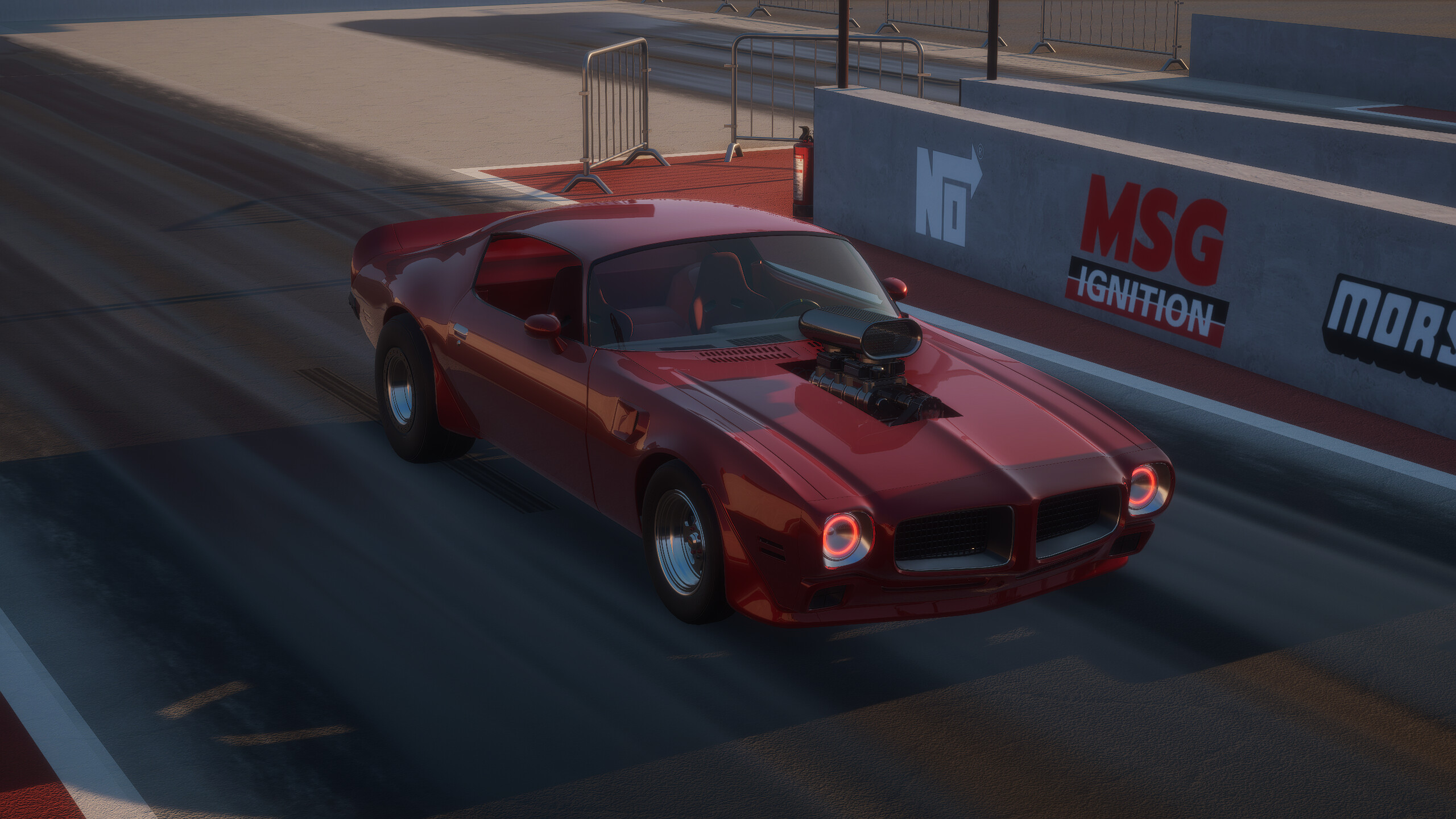
Boost Management: If you are running a supercharger, remember that it is always in boost. High boost levels require higher octane fuel. If you cannot afford better fuel, you must retard your timing to prevent detonation.
Incremental Tuning Strategy
Never make more than two changes to your tune at once. If you adjust timing and AFR simultaneously, you will never know which change caused the engine to perform better or start knocking.
The Role of Weight and Aerodynamics
Believe it or not, breakout garage engine knocking can sometimes be induced by chassis stress. If your vehicle is improperly balanced or suffering from extreme aerodynamic drag, the engine has to work significantly harder to move the car, putting extra load on the drivetrain.
Aerodynamic and Weight Factors
Body Panels: Removing hoods and doors reduces weight, but the game's simulation engine accounts for the resulting loss in aerodynamics, which can cause the engine to struggle at the top end.
Tire Traction: If your tires are "chirping" or losing grip, the engine's RPMs can spike, leading to erratic behavior that feels like engine vibration or knock.
Transmission Gearing: Using an incorrect final drive ratio forces the engine to run outside its power band, increasing heat and stress.
Part Type
Effect on Performance
Tuning Requirement
Lightweight Seats
Reduces overall mass
Suspension may need stiffening.
Aftermarket Hoods
Improves aero-drag
Check engine heat profiles.
Drag Wings
Increases downforce
Monitor top speed loss vs. traction gain.
Managing Maintenance and Wear
The wear-and-tear system is one of the most immersive features in Breakout Garage. Players often forget that an engine that was "perfect" yesterday may be prone to knocking today simply due to internal wear.
Regular Maintenance Checklist
Check Spark Plugs: Fouled plugs will cause misfires that mimic engine knock.
Monitor Oil Health: Old oil leads to increased friction and eventual rod failure.
Listen for "Ticks": A rhythmic tick from the valve cover usually indicates a need for a head adjustment or component replacement.
Battery Voltage: Ensure your electrical system is stable; a failing battery can cause the electronic components of your fuel injection system to misbehave.
FAQ: Frequently Asked Questions
Q: Can I fix engine knocking just by changing the fuel?
A: Switching from regular fuel to 93-octane can significantly reduce breakout garage engine knocking, but only if the knock was caused by pre-detonation. If the knock is mechanical, you must repair or replace the damaged part.
Q: Is there an automatic way to fix engine timing?
A: No, the game is designed to reward experimentation. Use the in-game wiki to understand the relationship between RPM and timing, and always test your changes at the track with "track prep" enabled for consistency.
Q: Why does my engine knock only at the end of a drag run?
A: This usually indicates that your engine is overheating or running out of fuel flow at high RPMs. Try adjusting your shift points in the transmission settings to keep the engine from redlining for too long.
Q: How do I know if I have a rod knock?
A: Rod knock is usually a deep, hollow "thudding" sound that gets louder and faster with RPM. This is a severe mechanical failure and requires you to open the engine block in your garage and replace the damaged components immediately.