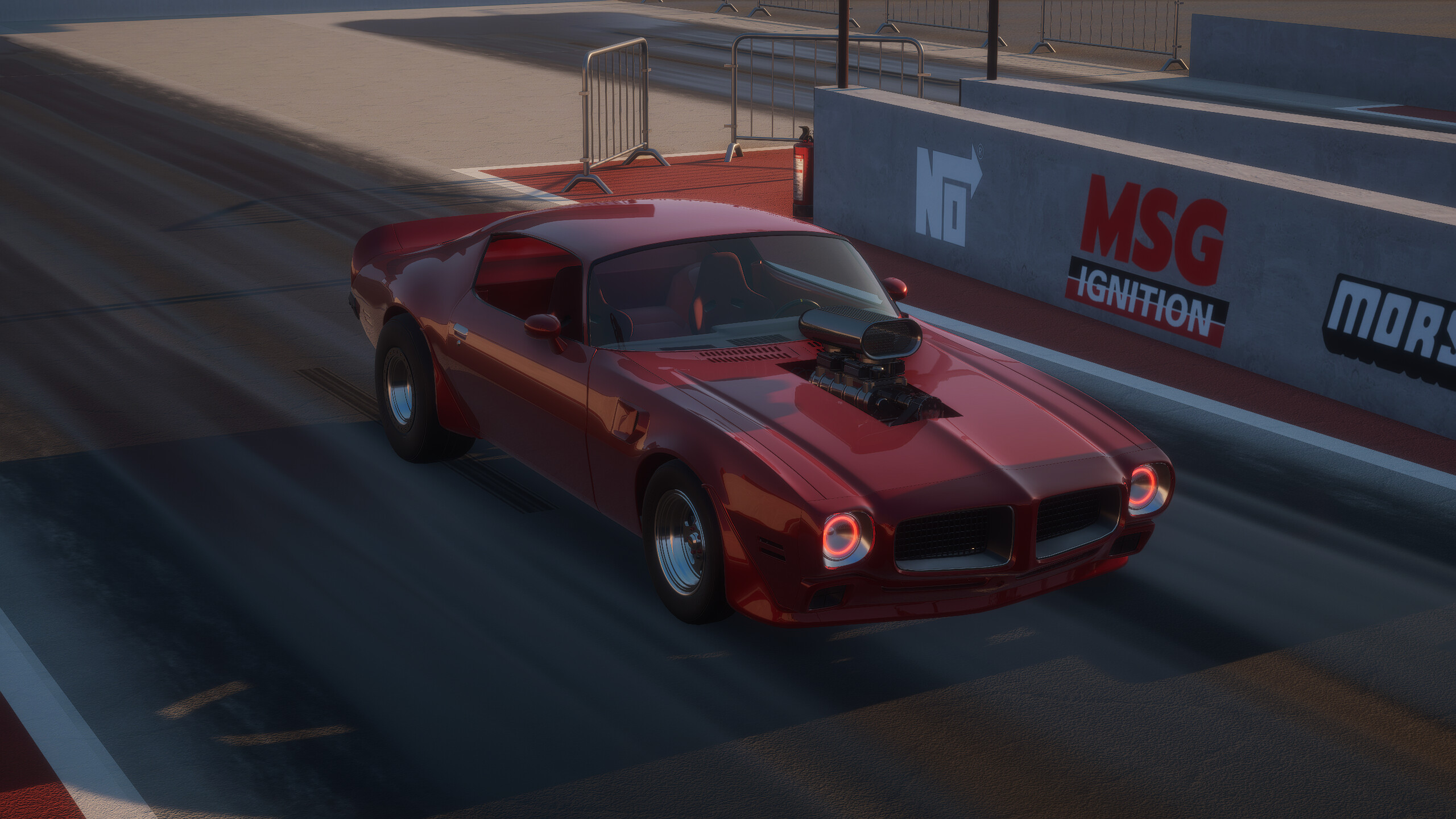
Breakout Garage Car Damage Guide: Repair & Maintenance Tips
Learn how to manage Breakout Garage car damage, prevent costly repairs, and keep your custom muscle car performing at its peak on the drag strip.
Published:
Table of Contents
Maintaining your vehicle in Breakout Garage is just as critical as fine-tuning your engine for those sub-7-second drag runs. If you have been struggling with unexpected breakages, understanding the mechanics of breakout garage car damage is the key to keeping your racing career on track and your bank account healthy.
Whether you are pushing your rig to the limit on the drag strip or testing its endurance on an oval track, parts wear and tear are inevitable. This guide will walk you through everything you need to know about damage management, identifying mechanical issues early, and how to effectively repair your build to stay competitive.
Understanding the Damage System in Breakout Garage
The damage system in Breakout Garage is designed to mirror real-world mechanical stress. Because the game tracks components like engine health, suspension integrity, and drivetrain wear, ignoring these systems will lead to performance degradation. When you see your car's speed drop or hear strange noises, you are likely dealing with specific component failures.
According to developer insights, the game features a complex physical simulation where parts are affected by weight, aerodynamics, and intense engine stresses. If you are constantly ignoring the "wear and tear" system, you will find yourself paying significantly more for major overhauls rather than simple maintenance.
Common Signs of Mechanical Wear
Symptom
Potential Cause
Suggested Action
Clicking or Ticking
Lifter wear/Valve issues
Check engine health, repair parts
Knocking Sound
Rod knock/Severe engine stress
Full engine inspection and tune-up
Poor Handling
Worn suspension bushings
Inspect springs and shocks
Power Loss
Fouled plugs or fuel issues
Check E85 mix and ignition timing
Managing Breakout Garage Car Damage: Best Practices
To prevent breakout garage car damage from ending your race night early, you must adopt a preventative maintenance routine. Many high-level players suggest treating your garage as a laboratory. Before and after every major event, run a diagnostic check.
A common mistake new players make is pushing the car until it physically fails on the track. As community reports suggest, once you start hearing specific sounds like a "rod knock," you have already pushed the component past its functional threshold.
Pre-Race Checklist
Before heading to the strip, always ensure your engine condition is at 99%. Use your repair tools to maintain parts even if they seem functional; small repairs are cheaper than replacing destroyed components after a catastrophic failure.
Tuning vs. Damage: The Delicate Balance
It is a common misconception that performance tuning causes accelerated damage. In reality, improper tuning—such as aggressive ignition timing or incorrect fuel-to-air ratios on E85—is what actually taxes your engine internals. When building a drag machine, you need to find the "sweet spot" where your power output doesn't result in immediate engine failure.
Engine Maintenance Comparison
Component
Maintenance Priority
Impact if Ignored
Pistons (LC V2)
High
Internal engine destruction
Ignition Box
Medium
Misfires and power loss
Suspension
High
Loss of control/Flip hazard
Fuel Pump
Medium
Inconsistent delivery
If you are following a build guide, remember that the setups shared by the community—such as specific damper settings or spring rates—are often tailored for specific track conditions. Applying a high-speed drag tune to an oval track car can lead to unpredictable handling, resulting in the exact type of breakout garage car damage that costs thousands of dollars to fix.
Real-World Consequences of Pushing Too Hard
We’ve all seen the videos where a promising test run ends in a twisted wreck. This isn't just cosmetic; in Breakout Garage, structural damage affects your car's aerodynamics and center of mass. If you total your car, you aren't just paying for parts; you are potentially compromising the build's overall physics for the next race.
According to community feedback, if your car begins to "act a donkey" or feels tippy during turns, you are likely over-stiffening your suspension. This stress doesn't just manifest in your lap times; it puts undue pressure on your chassis. Always verify your spring rates after any major change. If you find your car flipping or rolling, pull back and adjust your tire pressure—often, running too much pressure in slicks leads to traction loss and erratic behavior.
Expert Tips for Structural Integrity
When you are in the garage, keep an eye on your wheel fitment and spacing. Community members have noted that improper spacing can lead to tire rubbing, which essentially acts as a permanent, slow-draining damage mechanic.
Monitor Tire Rub: Ensure your wheel fitment (stretched, straight, or meaty) doesn't clash with the fenders.
Inspect Spacers: While 50mm spacers provide that "stock car" look, they change the scrub radius of your suspension. Check for alignment issues after installation.
Repair Regularly: Use the game's diagnostic tools to identify specific worn parts. Don't just repair the whole car; target the components that are hitting 80-85% wear.
Not all parts are worth repairing. Sometimes, the cost of parts and labor in the game’s economy makes it more efficient to swap to a newer version. However, for core engine components like forged cranks or low-compression pistons, routine maintenance is mandatory.
Repair Cost Estimation (Average Estimates)
Repair Type
Frequency
Estimated Cost
Standard Oil/Plug Change
Every 5-10 runs
Low
Suspension Overhaul
Every 20 runs
Medium
Major Engine Rebuild
After severe crash
High
If you are consistently dealing with breakout garage car damage, consider whether your driving style is the culprit. Are you shifting at the right RPM? Are you warming up your tires before the pass? These small, manual inputs significantly reduce the internal wear on your engine and transmission.
FAQ: Frequently Asked Questions
Q: How do I know if my car has internal damage?
A: Listen for audible indicators like rod knock or lifter tick. If your car isn't hitting its usual top speed or feels sluggish off the line, check your engine condition in the garage menu to see if you have any active breakout garage car damage.
Q: Does repairing parts actually improve performance?
A: Yes. Components in Breakout Garage are simulated with specific physics properties. A worn part will have lower efficiency, leading to less power, slower response times, and an increased risk of complete part failure during high-stress moments.
Q: How can I prevent my car from flipping during oval racing?
A: Flipping is often caused by a combination of high center of mass and overly stiff suspension. Try lowering your spring rates or adjusting your shock dampening. Community suggestions often point to lowering the spring height on the inside of the turn to keep the car planted.
Q: Is it worth repairing a totally destroyed car?
A: It depends on the chassis. If you have a sentimental build or a rare engine swap, it is usually cheaper to repair the chassis than to start from scratch. However, compare the repair bill against the dealer price of a new used car before committing your entire budget to one wreck.