Breakout Garage Engine Block Tuning Guide: Big Block Power Tips
Master engine swaps in Breakout Garage. Learn how to optimize your breakout garage engine block, build high-HP setups, and avoid common tuning pitfalls today.
Published:
Video Guide
Breakout Garage - New Engine Block And A Supercharger!Table of Contents
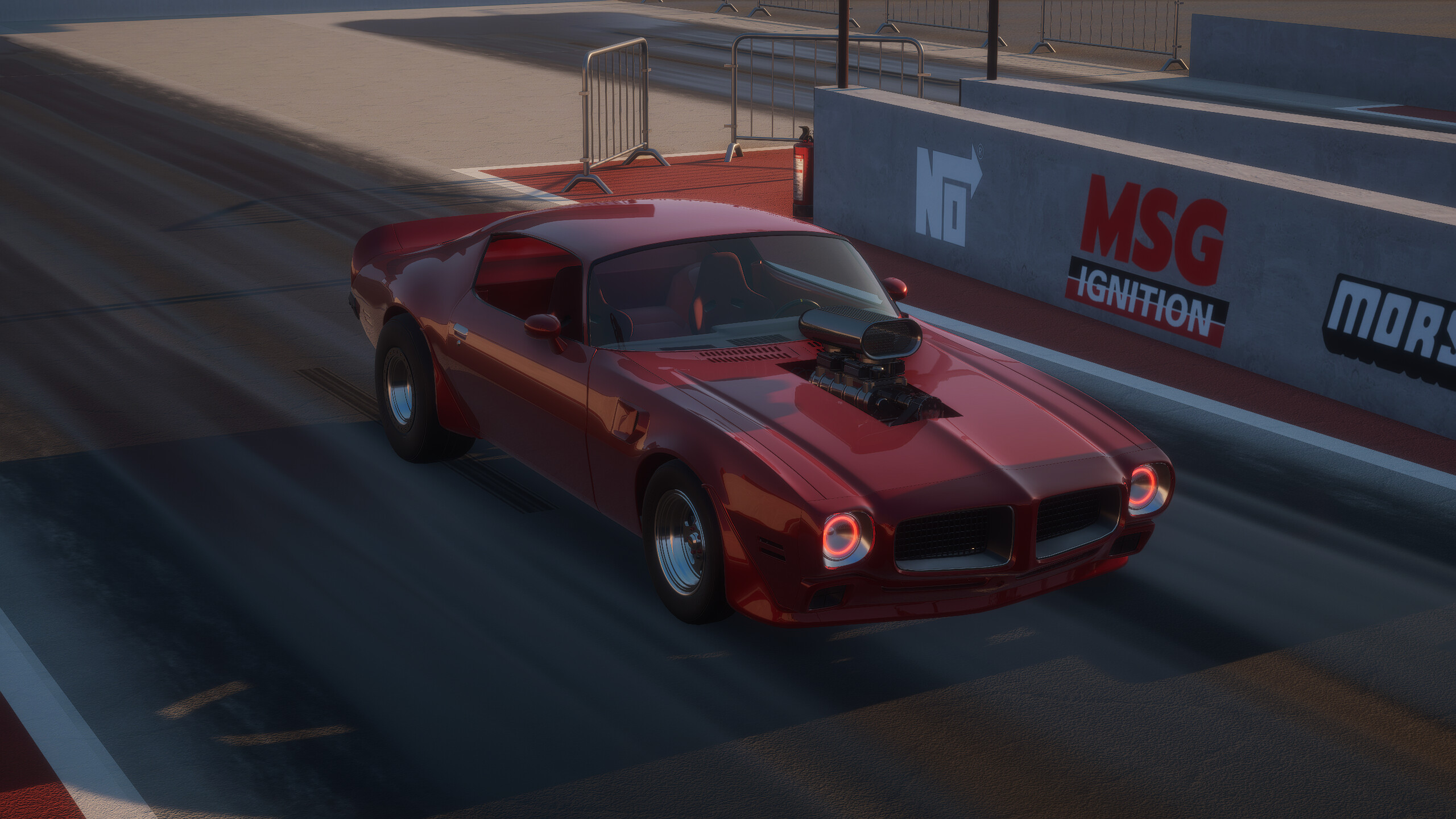
The quest for raw speed in Breakout Garage often leads mechanics to a pivotal crossroads: should you squeeze every ounce of performance from a stock engine or commit to a heavy-duty swap? Choosing the right breakout garage engine block is the fundamental decision that separates leaderboard legends from those left spinning their tires in the smoke.
Understanding how your engine block choice interacts with force induction and internal components is vital for anyone aiming to dominate the drag strip. This guide explores the intricate details of engine building, from material strength to cooling efficiency, ensuring your build survives the transition to massive horsepower.
The Foundation of Speed: Selecting Your Block
In Breakout Garage, your engine block acts as the structural soul of the vehicle. While it might be tempting to chase big numbers immediately, failing to account for the structural limits of your breakout garage engine block will lead to catastrophic failure.
Most beginners start with a small block, which is excellent for learning the ropes. However, when you cross the threshold into high-boost supercharger applications, the stock architecture often lacks the durability required to sustain 1,000+ horsepower.
Engine Type
Ideal Application
Durability
Recommended Mods
Stock Small Block
Beginner / Street
Low
Basic Intake, Bolt-ons
Billet Block
Pro / High Boost
High
Forged Internals, E85
Big Block
Drag / Competition
Extreme
Full Supercharger Kit
According to player experience and community reports, transitioning to a billet block provides a significantly higher safety margin for high-compression builds. When you decide to swap your breakout garage engine block, always double-check that your supporting internals—like pistons and connecting rods—are upgraded to handle the new displacement.
The Art of Engine Swaps and Internal Compatibility
Once you decide on your upgrade path, the actual installation process involves more than just swapping the metal casing. A common mistake among new players is assuming that existing parts will bolt directly onto a new block without modification.
When swapping to a high-performance block, you must pay close attention to your compression ratio. Using high-compression pistons on a forced-induction, big-block build is a recipe for engine failure. Instead, seasoned builders recommend:
Low Compression Pistons: Essential for managing boost pressures without detonating the engine.
Performance Camshafts: Matching your V3 performance cams to your new displacement levels is key for powerband consistency.
Timing Chain & Covers: Ensure you have the correctly colored or specified timing cover for your new block; mismatched accessories are a common source of "hidden" issues.
Check your accessory compatibility
Always verify that your water pump pulleys, alternator brackets, and supercharger drives match the specific dimensions of your new breakout garage engine block before attempting a test run.
Tuning for Power: Air-Fuel Ratio and Boost
Building a high-horsepower machine requires meticulous tuning. You cannot simply install a 671 or 871 supercharger and expect top-tier performance; the breakout garage engine block demands a balanced environment to function at its peak.
For those running E85 fuel, you have an advantage: the alcohol provides a natural cooling effect, lowering intake temperatures. However, you must recalibrate your air-fuel ratio (AFR) to compensate. Under full-throttle boost, you should aim for a leaner ratio, typically hovering around 7.5 to 9.5 depending on your specific timing.
Essential Tuning Checklist
Ignition Timing: Pull roughly 1° of timing per PSI of boost to prevent knocking.
Idle Adjustment: If your engine feels unstable at idle, dial back your AFR to roughly 9.5.
Pulley Ratio: Don’t be afraid to test different pulley sizes. A 2-to-1 ratio may provide massive initial torque, but it can cause the engine to fall flat at higher RPMs.
Two-Step Ignition: Useful for consistent launches, but remember to toggle it off if you are using a trans-brake.
Managing Physics and Drivetrain Stress
Even if your engine is perfect, the power must reach the ground. High-power builds often suffer from inconsistent launches or excessive wheel spin. To optimize your car, you must synchronize your engine output with your suspension and tire setup.
Component
Tuning Goal
Why it Matters
Spring Rates
Increase for Power
Prevents the car from "sagging" under heavy torque
Tire Pressure
Decrease to 16-18 PSI
Improves grip on the launch pad
Transmission
Adjust Upshift Points
Prevents the engine from bouncing off the limiter
Sway Bars
Essential Hardware
Keeps the chassis straight under hard acceleration
As noted by the official Steam page, part affects are simulated based on weight and center of mass. This means that a massive, heavy-duty breakout garage engine block will physically change the weight distribution of your car, requiring you to stiffen your front springs to compensate for the added load.
Common Pitfalls: Why Your Build Might Fail
We have all been there—you spend $20,000 on a fresh build, take it to the track, and it immediately starts knocking or refuses to launch. Based on community insights, here are the most frequent reasons builders find themselves back in the shop.
Forgetting the Crankshaft Pulley: It sounds simple, but builders often overlook this specific part, which prevents the supercharger belt from being installed.
Ignoring Wear and Tear: Even new engines degrade. If you hear rod knock or lifter tick, stop racing immediately. Repairs are cheaper than a full engine rebuild.
The "One-Gear" Trap: Trying to build a car that only performs in fifth gear. A truly fast car on the leaderboard needs a balanced powerband across all gears.
Remember that Breakout Garage is a game of trial and error. If a build doesn't work, use your diagnostic tools to identify the failing part. Whether it’s a cooling system glitch or an incorrectly installed intake manifold, every error is a lesson in mechanics.
FAQ: Frequently Asked Questions
Q: Does the material of the breakout garage engine block change power output?
A: Yes. While the block itself provides durability, choosing a billet block allows for more aggressive tuning and forced induction without the risk of the engine "grenading" under high stress.
Q: Why does my engine knock immediately after a race?
A: This usually indicates damage to internal components. Check your oil pan, connecting rods, and pistons. Community testers suggest keeping an eye on your spark plugs as well, as they are often the first sign of a lean-burning or overheating engine.
Q: Is it worth upgrading to the Big Block early?
A: Only if you have the budget. Big Blocks are incredible, but they are significantly heavier. They require a total suspension overhaul to handle the weight, so ensure your chassis is ready for the swap.
Q: Where can I find more tips for tuning my breakout garage engine block?
A: The best resource is the Steam Community Discussions. Other players are constantly sharing their tuning setups, gear ratios, and suspension configurations that can help you shave seconds off your lap times.