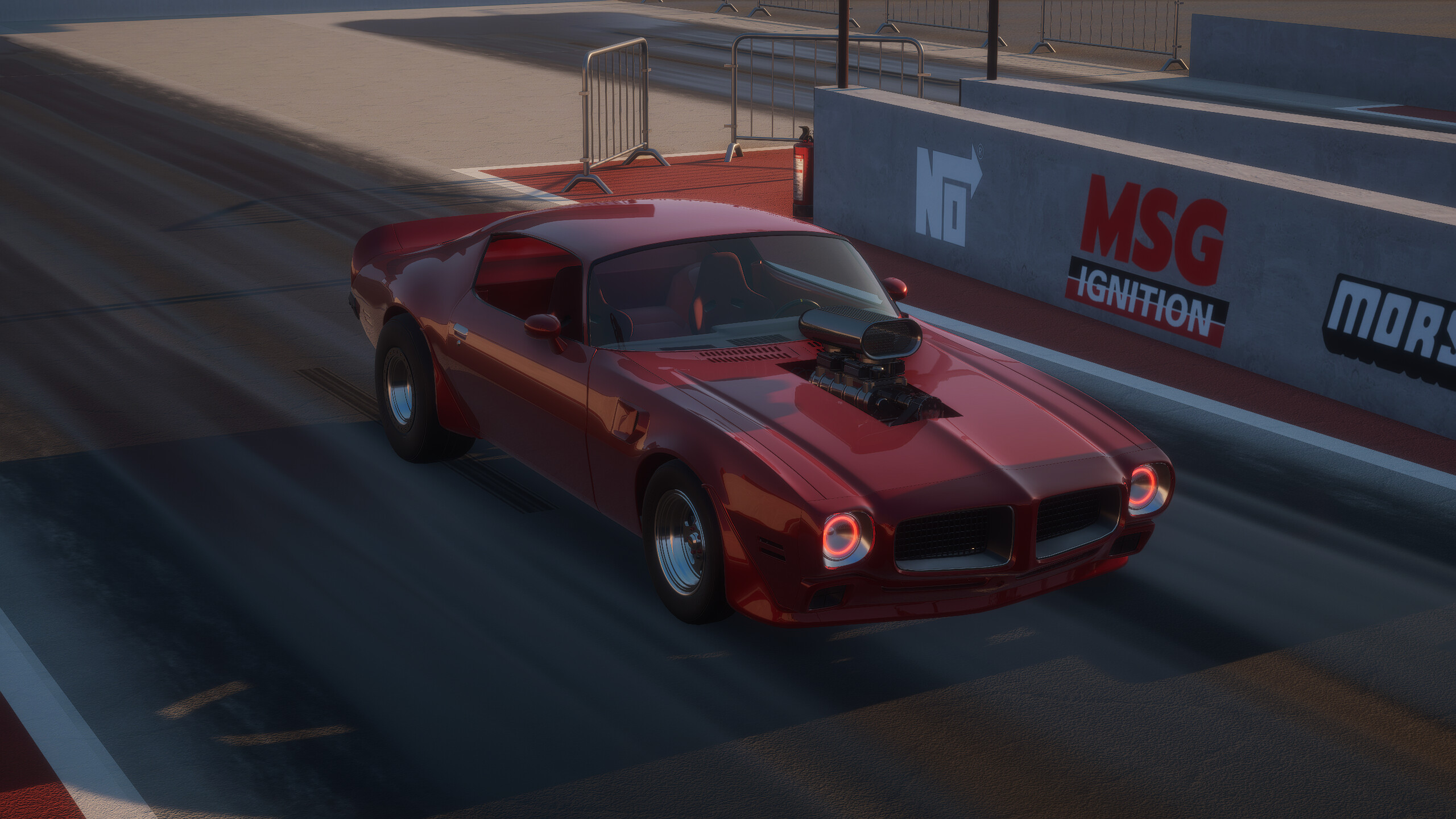
Master the art of engine builds with our ultimate Breakout Garage Turbo tuning guide. Optimize your boost, fuel, and gearing for blistering track times.
Published:
Video Guide
Breakout Garage - Time For A Turbo!Table of Contents
The adrenaline of a perfectly launched drag pass in Breakout Garage starts long before the tree turns green. If you are struggling to break into the 11-second bracket, your Breakout Garage Turbo setup is likely the missing piece of the puzzle. Adding forced induction is more than just bolting on a turbocharger; it is a delicate balancing act of thermodynamics, fuel mapping, and mechanical sympathy.
In this guide, we break down how to transition from a naturally aspirated engine to a high-horsepower forced induction monster. We will cover why proper cooling, part selection, and precise timing adjustments are critical for maintaining engine integrity while pushing your machine to its physical limits.
The Foundation: Building for Forced Induction
Before you even think about installing a stage three turbo, you must ensure your engine’s internals can handle the pressure. According to community reports, simply strapping a turbo to a stock block is a recipe for catastrophic engine failure. You need to upgrade your crankshaft, connecting rods, and pistons to forged components to handle the increased compression and heat.
Essential Performance Internals
When building a reliable Breakout Garage Turbo engine, follow this upgrade path to ensure longevity:
Component
Upgrade Priority
Reason for Upgrade
Crankshaft
High
Handles higher torque loads without snapping.
Connecting Rods
High
Prevents failure under high-boost stress.
Pistons
Critical
High-compression forged pistons are vital for boost.
Bearings
Essential
Reduces friction and prevents rod knock.
When you open your engine bay, listen for auditory cues. The developers have integrated a realistic wear-and-tear system where rod knock or lifter tick indicates a component is failing. If you hear these noises during a test drive, stop immediately and tear down the block to avoid a total loss of your investment.
Tuning Your Turbo: Boost and Airflow Mechanics
Once your engine is fortified, the real work begins in the tuning interface. A common mistake among new players is maxing out the boost controller without adjusting the fuel or timing. This causes the engine to bog down or "stumble" during the shift into fourth gear.
To find your "sweet spot," you need to manipulate the air-to-fuel ratio and ignition timing. As you increase boost, you must lean out or richen your mixture to keep engine thermodynamics within safe operating limits.
Boost Tuning Strategy
Start with 0.8 bar boost to test your cooling system, then incrementally increase to 1.2 bar. Always monitor the horsepower curve; if the peak HP drops or the engine hits the rev limiter prematurely, back off the boost or shift your shift-point RPM.
Troubleshooting Performance Dips
If your car feels fast off the line but loses power mid-track, consider these variables:
Gearing: A 4.10 rear end might be too short for high-boost drag builds, causing you to run out of gear before the finish line.
Transmission Stall: Adjusting your torque converter stall speed can change how the car "launches" at the strip.
Fueling: Ensure your carburetor is capable of providing enough fuel for the forced induction levels you are running.
The Role of Suspension and Tire Geometry
Building a Breakout Garage Turbo beast is useless if you cannot put the power to the ground. In Breakout Garage, the physics engine calculates everything from tire width to center of mass. For drag racing, you want a "meaty" tire setup in the rear to maximize your contact patch.
Recommended Drag Setup
Community veterans suggest using adjustable shocks to shift the weight of the vehicle to the rear during launch. By softening the front springs and stiffening the rear, you allow the car to "squat," which plants the rear tires into the tarmac.
Suspension Part
Setting Strategy
Impact on Launch
Front Springs
Soften
Encourages weight transfer to the rear.
Rear Springs
Stiffen
Prevents bouncing and maintains traction.
Rear Tires
10-inch width
Increases surface area for better grip.
Tire Profile
30-series
Minimizes sidewall flex for consistent launches.
Always remember to use the in-game photo mode to inspect your wheel fitment. Proper fitment—whether it's stretched or meaty—directly influences how your vehicle behaves under heavy acceleration.
Advanced Strategies: Managing the "Bog"
One of the most frequently asked questions in the official Breakout Garage community is how to stop the "bog" when shifting. This often happens because the RPM drops outside of the power band during a gear change.
If your car bogs, try these steps:
Adjust the Shift Point: Move your automatic shift point to 5,800 or 6,000 RPM.
Check the Drivetrain: A failing driveshaft or clutch can cause slippage that feels like a bog. Replace them with stage-two or stage-three equivalents.
Track Prep: If your tires are spinning, you need better track surface conditions or a line lock to get them up to optimal temperature.
Maintaining Your Investment: Garage Life
The simulation depth in this title is remarkable, extending to the realistic cost of parts and the importance of routine maintenance. Treat your car like a real-life project. If you are racing for high stakes (e.g., the $5,000+ matches), perform a full check of your oil pan, head cover, and spark plug wires before the race.
[!WARNING]
Avoid Revving to Destruction
While it is tempting to push your RPMs to the absolute limit, constant over-revving will destroy your crankshaft bearings. If your engine sounds like it is "knocking," it has already sustained damage. You must tear it down and replace the internals immediately to prevent the engine from locking up during a high-speed run.
FAQ: Frequently Asked Questions
Q: How do I know if my Breakout Garage Turbo build is safe?
A: Listen for auditory indicators. If you hear rod knock or heavy ticking, your engine is struggling. Additionally, check the parts condition percentage in your garage; anything below 60% should be repaired or replaced before hitting the track.
Q: Is it better to stick with a manual or automatic transmission?
A: Manual transmissions offer more control over shift points, which is vital for high-boost drag racing. However, automatic transmissions can be tuned with specific torque converters to optimize launch consistency if you struggle with manual gear selection.
Q: How do I join multiplayer races in Breakout Garage?
A: You can join the in-server race lobby system via the game's peer-to-peer multiplayer menu. Always test your build in single-player "test runs" before entering high-stakes multiplayer lobbies.
Q: Does fuel type affect forced induction?
A: Yes. High-octane fuel and E85 setups can significantly impact your ability to run high boost without detonation. Always ensure your fuel system is tuned to match the level of force induction you have installed.
By focusing on the synergy between engine internal components, chassis setup, and precise tuning, you will transform your Breakout Garage Turbo build from a stock cruiser into a quarter-mile king. Keep experimenting, participate in the community discussions, and never stop tuning!