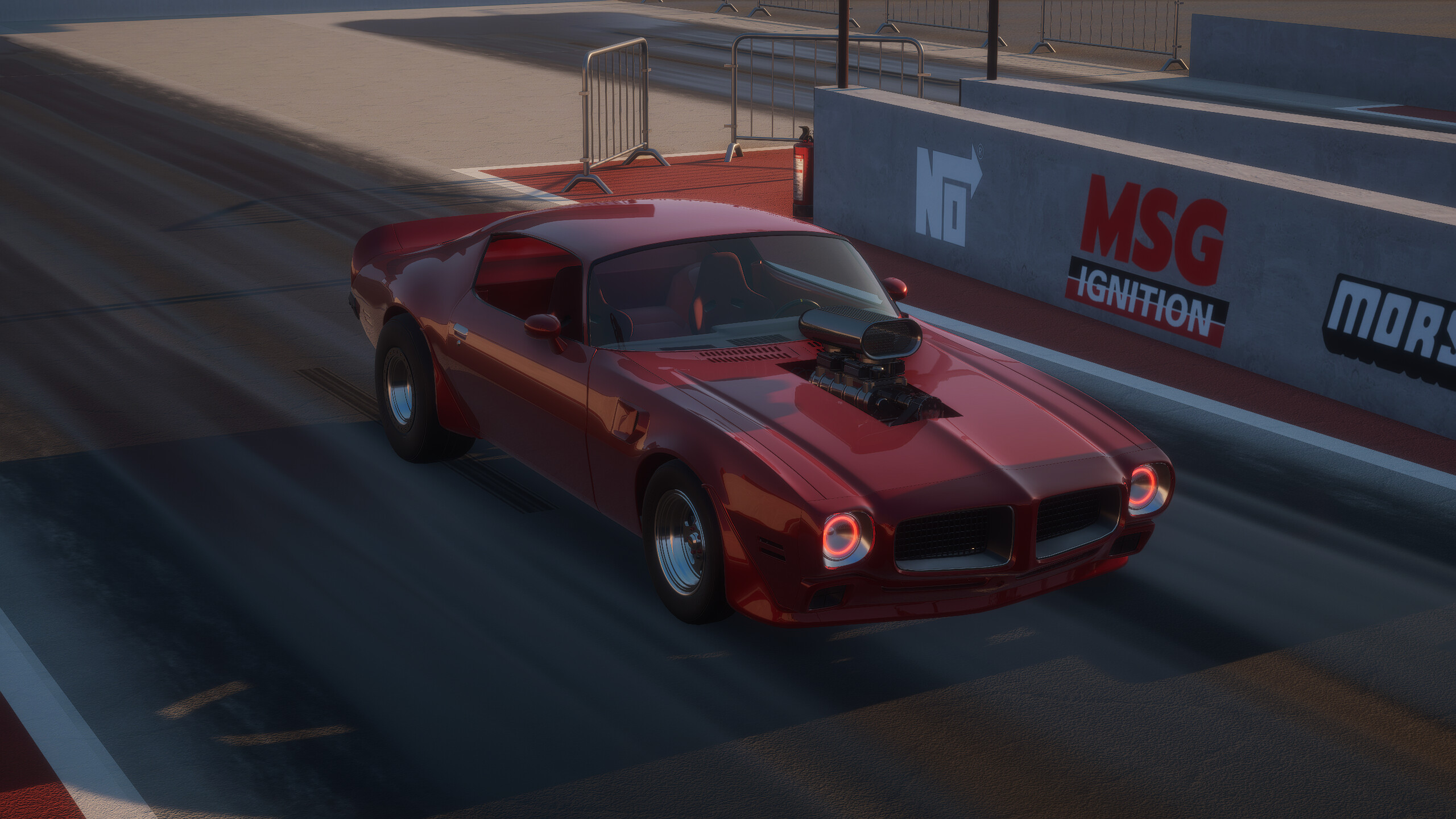
Ultimate Breakout Garage 7 Second Drag Tune Guide & Setup
Discover the best Breakout Garage 7 second drag tune strategies to dominate the leaderboards. Learn gear ratios, weight reduction, and suspension setups.
Published:
Video Guide
BREAKOUT GARAGE: My LOW 7-Second Drag Tune! 🏁 1/4 Mile Setup & Tuning GuideTable of Contents
Drag racing in Breakout Garage is a game of marginal gains where every pound of weight and every millisecond in suspension tuning matters. Finding that elusive breakout garage 7 second drag tune is the key to climbing from the mid-pack rankings to the top of the leaderboard and outrunning the toughest bosses in the game.
If you are struggling to break the 8-second barrier or keep your car planted during a high-speed launch, you aren't alone. This guide breaks down the exact configurations—from weight reduction to differential settings—used by top-tier players to achieve consistent 7-second quarter-mile passes.
Why Suspension and Weight Reduction Are Key
In Breakout Garage, speed isn't just about horsepower; it's about the physics of the launch. When you aim for a breakout garage 7 second drag tune, your primary focus must be eliminating parasitic weight and tuning your suspension to handle high-torque launches without sacrificing top-end stability.
According to community reports, stripping your car to the bare essentials is mandatory. If a part doesn't contribute directly to speed, it needs to be removed. This includes interior components, non-essential lights, bumpers, and even specific radiator accessories.
Weight Reduction Checklist
To get your weight down to the 2,400–2,500 lb range, ensure you have removed or replaced these components:
Component Category
Action/Requirement
Why it Matters
Interior
Gut everything except seat & wheel
Reduces static mass
Bodywork
Swap to Carbon Fiber
Lowest weight-to-strength ratio
Brakes
Remove front/rear calipers
Drag racing requires minimal stopping drag
Trim/Extras
Remove wipers, handles, dashboards
Aerodynamic drag and weight
The Engine and Drivetrain Setup
A successful breakout garage 7 second drag tune relies on a high-revving engine build capable of putting power down consistently. Top players emphasize the importance of the "low compression pistons" (specifically the +.060 LC V2s) and the massive forged crank to ensure your engine holds up during the stress of repeated drag launches.
Critical Engine Components
When building your engine for the 7-second bracket, follow these hardware specifications:
Supercharger: Utilize the 8:1 ratio supercharger with a 1.121 pulley for optimized airflow.
Ignition: The "Box 2 with Step" ignition system is currently the gold standard for tuning consistency.
Fueling: E85 is the fuel of choice for these high-performance engine maps.
Transmission: A 4-speed automatic transmission is generally preferred for smoother power delivery across the power band.
Engine Maintenance
Always repair your engine components to 99% condition before heading to the drag strip. Even slight wear can cause "engine knock" or timing inconsistencies that ruin your time.
Mastering Suspension and Tire Pressure
Your suspension is what converts your engine's power into forward momentum. If your front end is lifting too high, you are losing energy; if it stays too flat, you might not be getting enough weight transfer to the rear tires.
Recommended Suspension Tuning Data
Adjust your settings based on these community-tested baselines:
Setting
Value/Target
Purpose
Rear Spring Rate
35,000 - 50,000
Support the launch
Shock Dampers
Set to Max (5)
Controls front-end lift
Tire Pressure (Rear)
16 PSI
Maximizes contact patch
Ride Height
-4 to -10 (Rear > Front)
Aerodynamic balance
When fine-tuning your breakout garage 7 second drag tune, you must observe how the car sits while accelerating. If the exhaust is scraping the ground, raise your rear ride height by 2-4 points. The goal is a level car mid-track to minimize air resistance.
Gear Ratios and Shift Points
Shifting is the most common point of failure for players aiming for the 7-second mark. You want to shift when you reach the peak of your torque curve. For most 7-second builds, this occurs between 6,200 and 6,500 RPM.
Launch Strategy: Try to launch at 3,500 to 3,800 RPM. Any higher, and you risk excessive wheel spin; any lower, and you'll bog down.
The Differential: A 4.11:1 ratio is widely considered the sweet spot for balanced acceleration and top speed in the quarter mile.
Troubleshooting Your Times
If your car isn't hitting the desired times, check the list below for common pitfalls:
Wheelie Bar: While useful for stability, a wheelie bar adds weight. Try to master your suspension dampers first before adding this extra mass.
Tire Size: Use 15-inch billet rims with 295/60 or 295/50 drag radials. Narrower front tires (17x4.5) significantly reduce rolling resistance.
Traction Control: While it helps beginners, top-tier racers often disable traction control for that extra edge in trap speed.
Check out the official game details and developer updates on the Breakout Garage Steam Page to stay informed about potential physics changes.
FAQ: Frequently Asked Questions
Q: What is the most important factor for a Breakout Garage 7 second drag tune?
A: Weight reduction. Getting your vehicle weight under 2,500 lbs is essential for hitting 7-second times. Without a "crash diet," the engine simply has too much mass to move in that time frame.
Q: Does fuel type affect drag performance?
A: Yes, E85 is the preferred fuel for high-compression drag builds in the game, as it allows for more aggressive timing and boost levels without engine failure.
Q: How do I stop my front end from lifting too much?
A: Max out your shock dampers to level 5 and increase your rear spring rate. This keeps the energy directed forward rather than upward.
Q: Can I run without a fuel pump or radiator fan?
A: Community reports indicate that certain parts like the fuel pump can sometimes be omitted in the current game version for weight savings, but always test your specific build, as mechanics may be patched.